TheHorse.com’s Top Infographics of 2016
View information on skin conditions, deworming, staying sane on stall rest, feeding, conditioning, and more.

View information on skin conditions, deworming, staying sane on stall rest, feeding, conditioning, and more.

Popular slideshows included those on skin conditions, horse properties, pasture weeds, the Rio Olympics, and more.
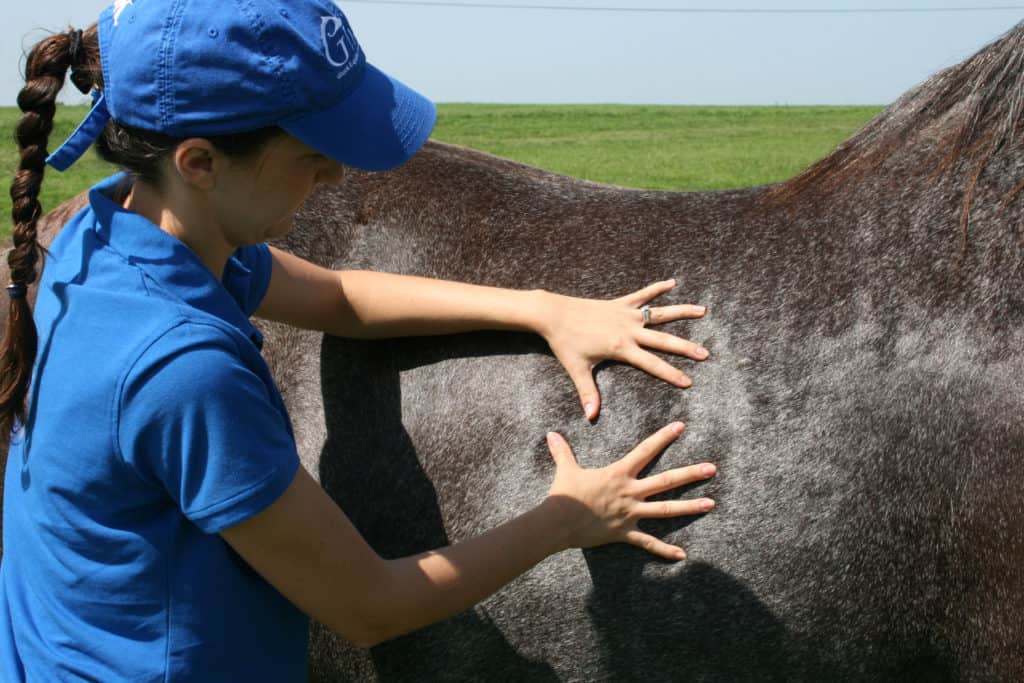
Popular topics included body condition, bisphosphonates, horse identification, hoof problems, deworming, and more.

Donkeys are commonly diagnosed with sarcoids. Other common horse tumors, however, are not prevalent in donkeys.

Sarcoids puzzle practitioners and plague some horses. Dr. David Levine shares what scientists know about their cause.
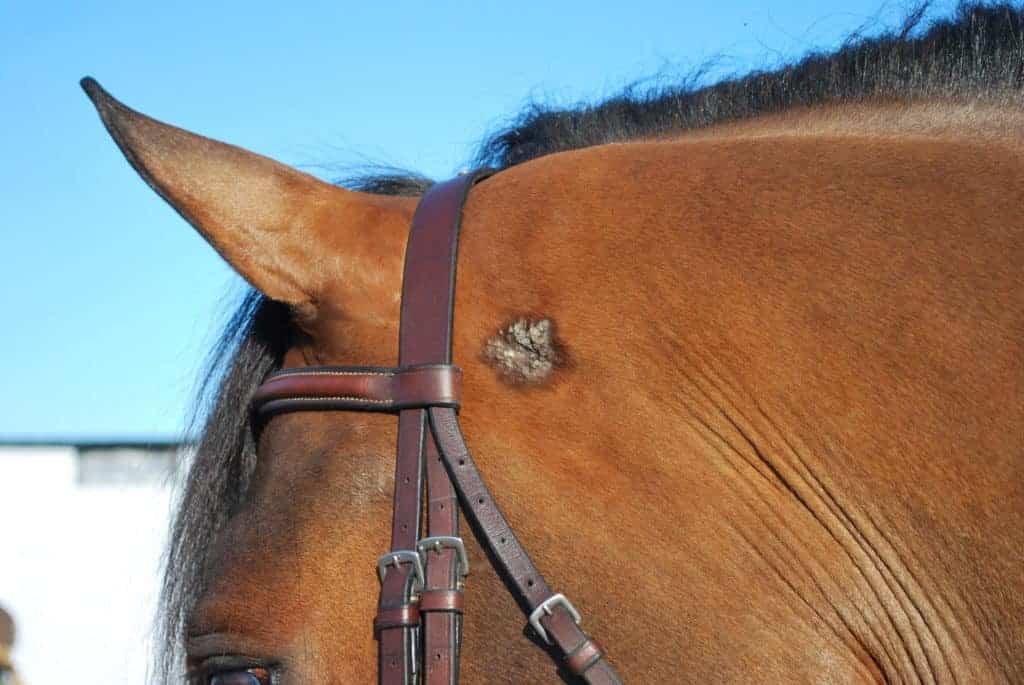
Does your horse have stubborn or unsightly tumors or skin growths, and you’re not sure what to do next?

While some lumps and bumps are typically of little consequence, others can pose serious problems. Learn more.
The British survey results also suggest that lamenesses are more likely to originate in the limb than in the foot.
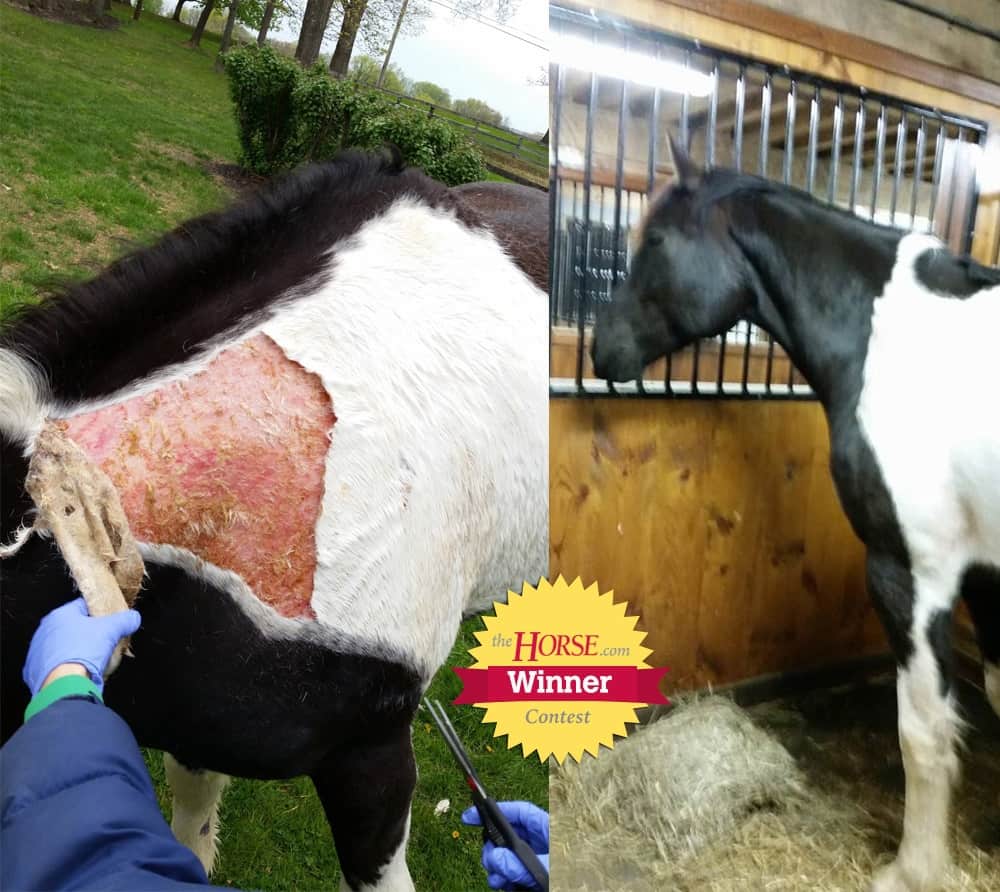
TheHorse.com Facebook fans selected Romeo as the overall winner of the “Help! My Horse is Sun-Sensitive” contest.

Researchers concluded that alfalfa hay can induce primary photosensitization, but what it results from remains unclear.

Is your horse sun-sensitive? Submit his story and photo for a chance to win a prize pack!

Anti-Mullerian hormone is a reliable marker for cryptorchidism, granulosa-cell tumors, and, possibly, mare fertility.
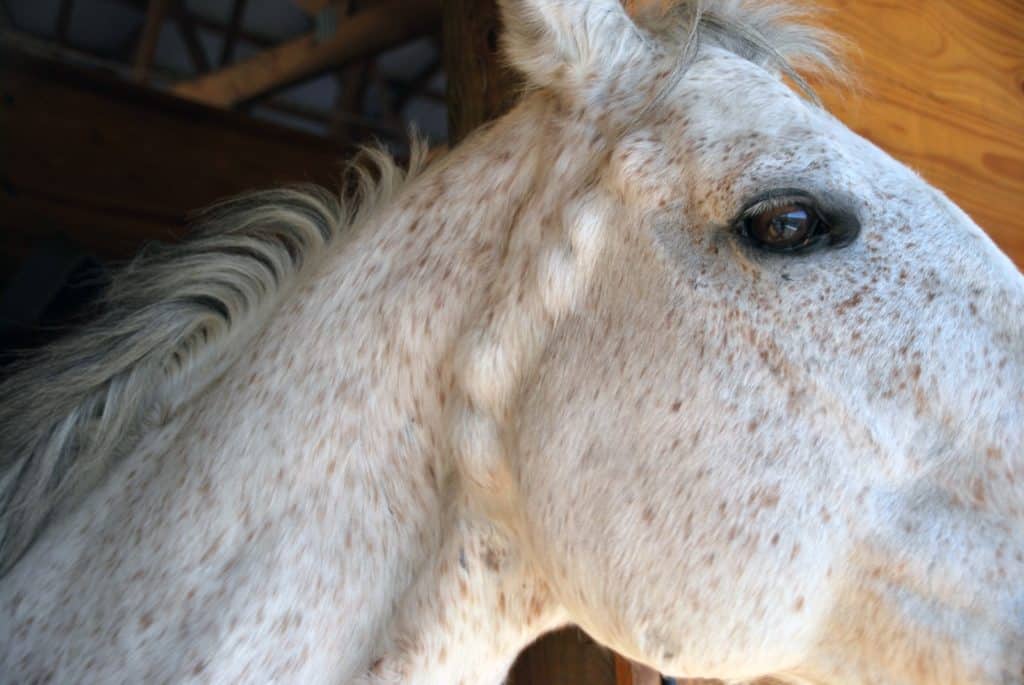
Betulinic acid could become a safe and effective treatment for melanoma in horses, researchers said.

Researchers studied a group of related Exmoor ponies to find the chromosomes that could carry IBH-related genes.
Researchers are studying immunotherapy using an antibody called anti-CD47 for reducing equine skin tumors.

Squamous cell carcinoma is one of the most common cancerous tumors of the equine eye.