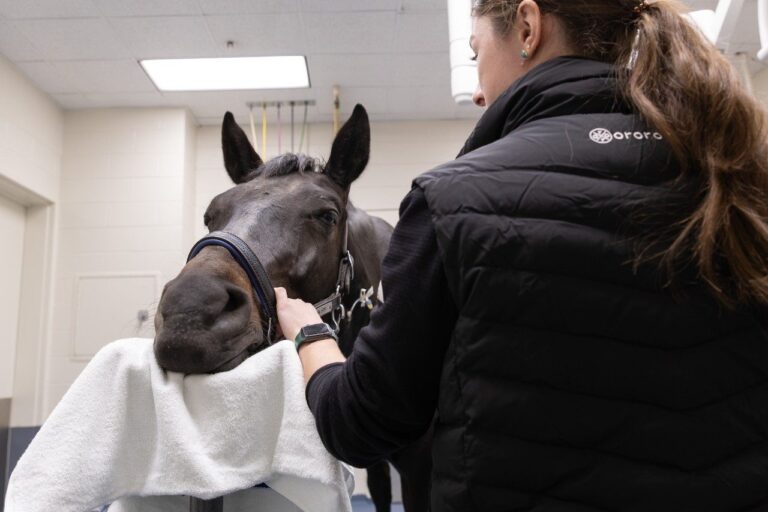
Morris Animal Foundation Funds 16 Horse Health Studies
The studies funded cover equine health challenges including infectious diseases, musculoskeletal disorders, and more.

The studies funded cover equine health challenges including infectious diseases, musculoskeletal disorders, and more.

Readers learned about a variety of topics from sweat marks under saddles and laminitis to beet pulp and hoof cracks.
Researchers recently diagnosed the first homozygous case of Warmblood fragile foal syndrome (WFFS), a genetic disorder.

Daily grooming gives you a chance to detect and monitor any injuries or other health problems.

Why would a 9-year-old horse grow winter hair during the summer months?

Recent research revealed a high incidence of equine lice infestations, especially in saddle horses.

Find out what kinds of skin parasites can cause scratches and how these pests respond to ivermectin treatment.

Find out how to ensure your senior horses stay healthy all through their golden years.

Tea tree and lavender essential oils appear to be valuable aids in managing lice infestations, researchers found.
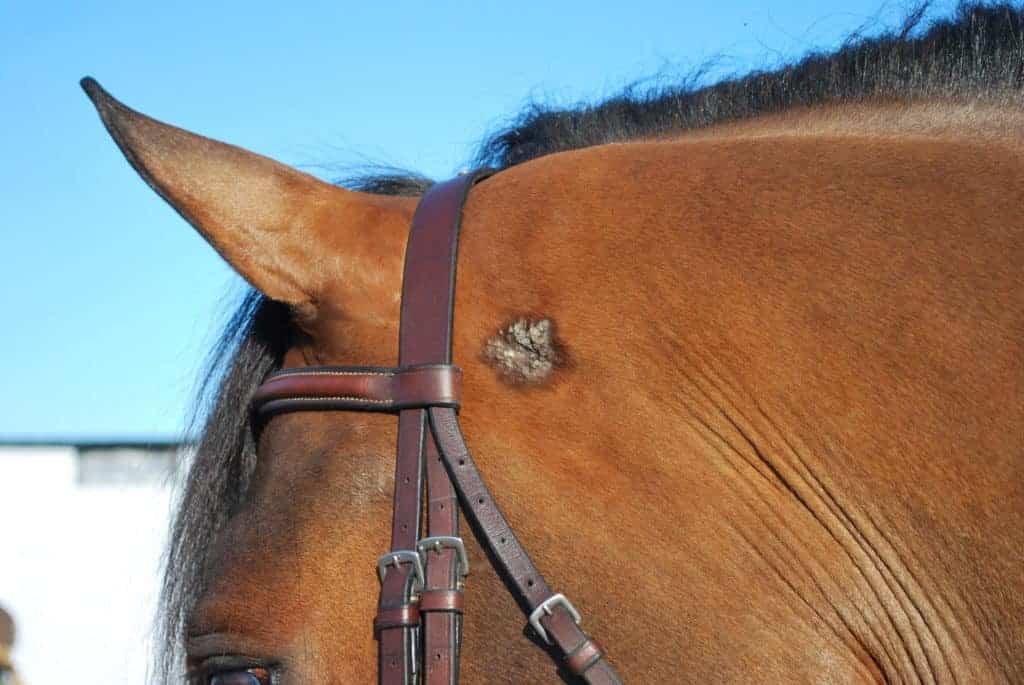
Laser resection resulted in reduced postoperative complications and a positive prognosis, researchers determined.

An equine behavior expert considers the reasons why horses might roll after baths.

Some sores, injuries, and infections can make saddling a painful process for your horse. Here’s what to watch for.

Find out what the equine genome can tell us about our horses and preventing genetic disease.
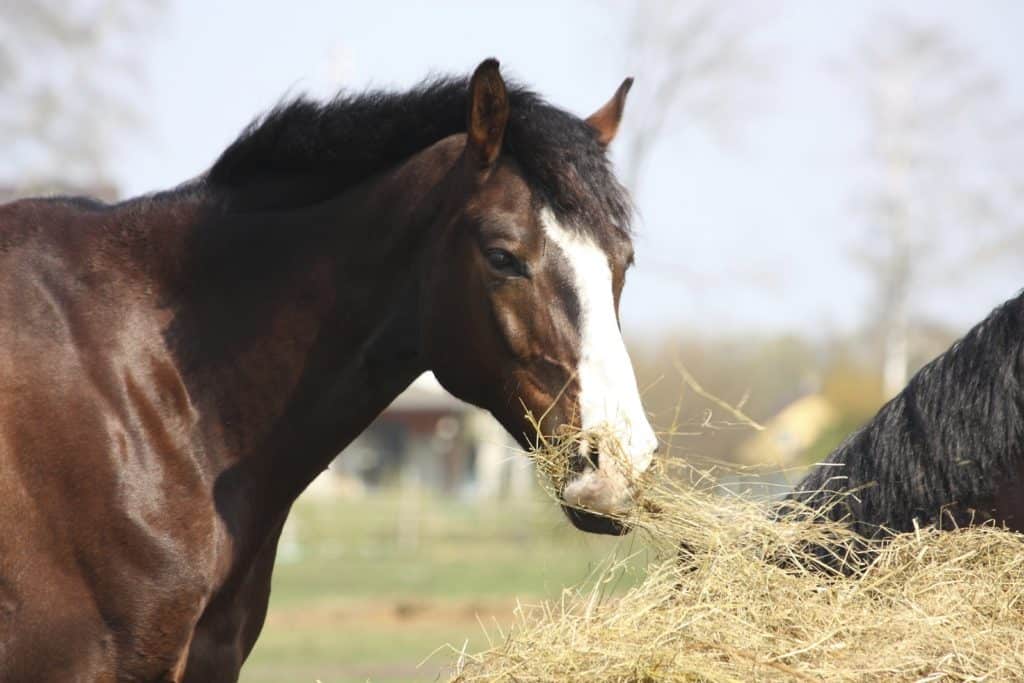
Researchers recently determined that some standard laboratory and commercial allergy tests for horses are not reliable.

By knowing what conditions certain horses are predisposed to, owners and breeders can take preventive steps.

Study topics include ophthalmology, respiratory issues, cardiovascular problems, sarcoid treatments, and more.