When Disaster Strikes
After a tornado, fire, or other disaster hits your farm, how would you respond and rebuild? Here’s what to remember.

After a tornado, fire, or other disaster hits your farm, how would you respond and rebuild? Here’s what to remember.

Horses for Clean Water’s Alayne Blickle explains the environmental benefits of covering a compost pile.

What happens before bridling might hold a clue as to why this horse yawns when facing his bridle.

How do you maintain a good relationship with your nonhorsey neighbors?
Alayne Blickle shares some basics on whether or not you need a tractor and what features you might find helpful.

Learn what months are best for grazing horses on pasture from Alayne Blickle of Horses for Clean Water.

Before you hit the asphalt trail, consider these expert tips to make sure your horse arrives healthy and happy.

Creeping indigo was once studied for its potential as a livestock feed, but can be deadly to horses.

Of the 1,337 respondents, 931 (69%) said they currently own one to four saddles.

Here’s how to help your pasture outcompete weeds so you can avoid using toxic herbicides.

Of the 843 respondents, 393 (47%) said they’ve had a professional saddle fitter evaluate their horses and tack.

Here’s what you need to know about this important forage in your horse’s diet.

Of the 870 respondents, 298 (34%) said they clean their horses’ tack a few times per year.

Trying to beat those weeds? Here’s a homemade herbicide recipe for tank sprayers or spray bottles that’s low in chemicals and caustic substances.
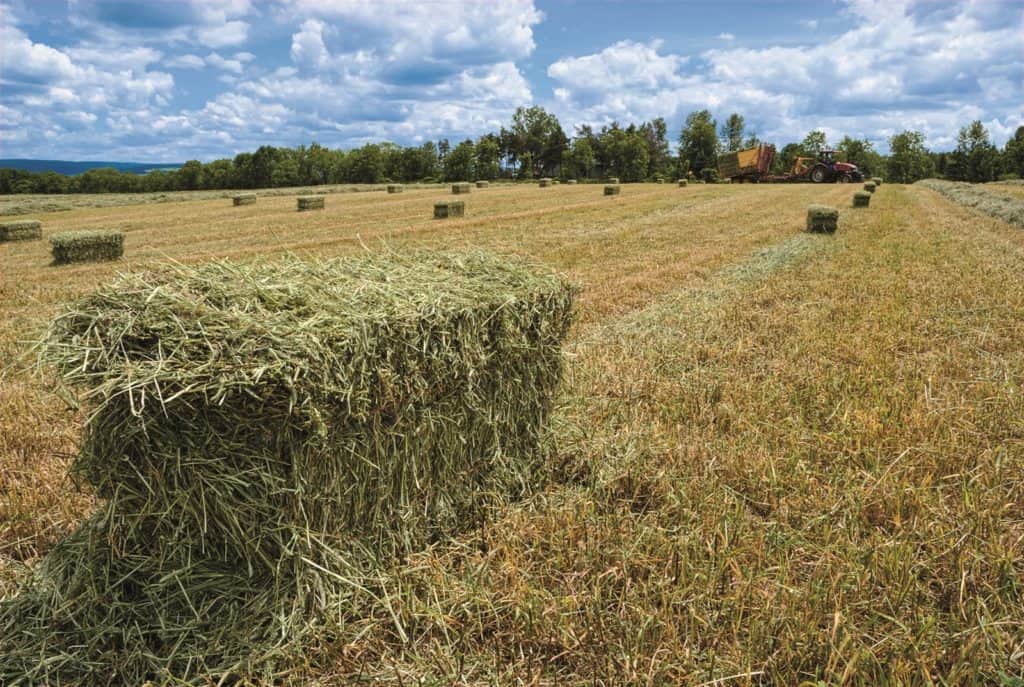
Lecture topics will include forage types, efficient forage use, hay production and quality, and more.

Creeping Charlie, or ground ivy, is toxic, but generally horses must consume large quantities for a reaction to occur.