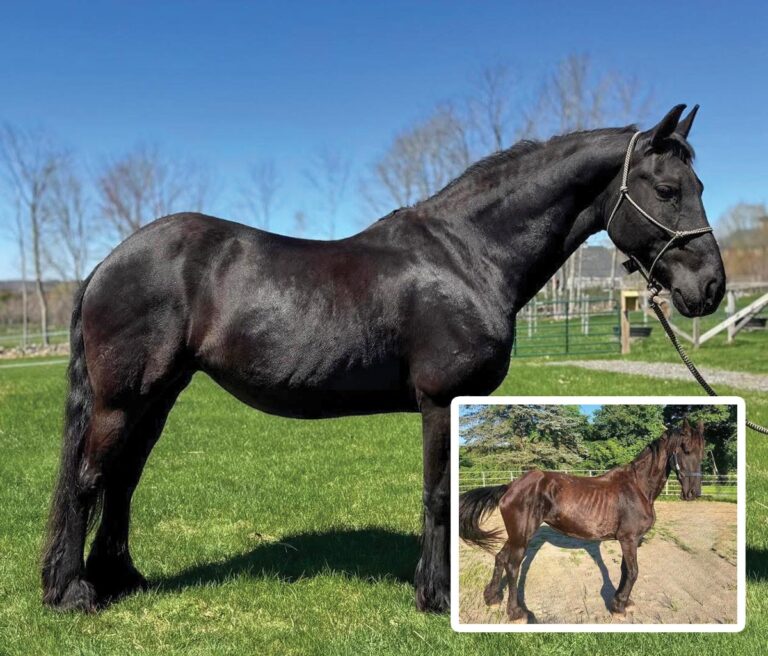
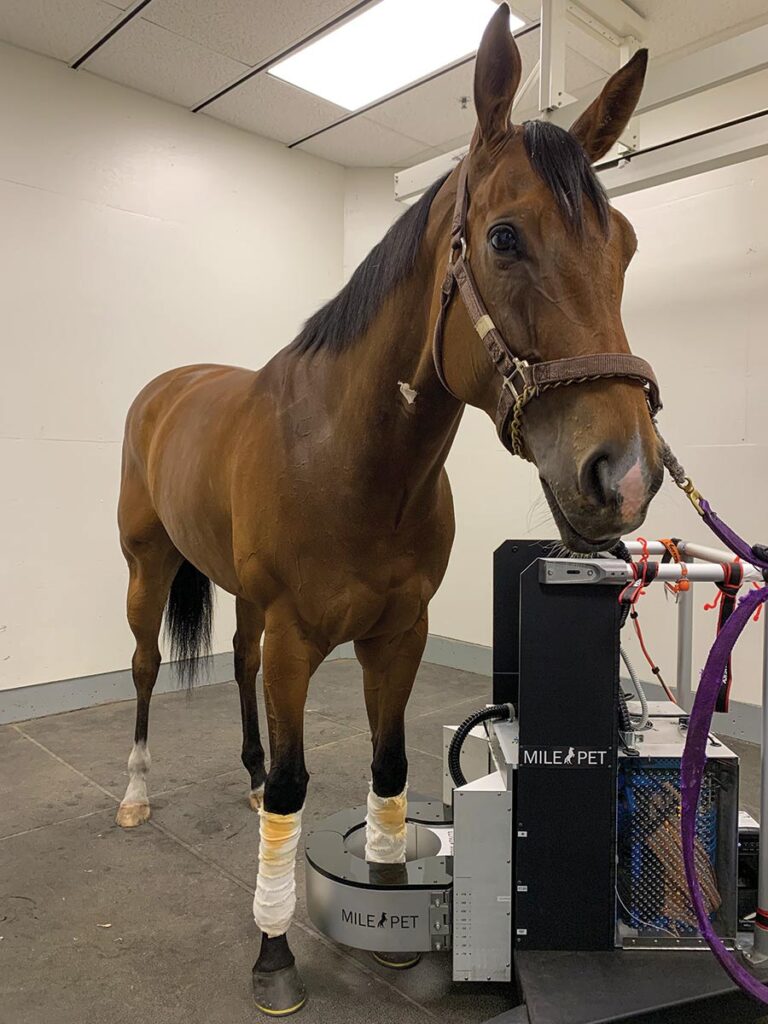
Toxin Topic: Johnsongrass Poisoning in Horses
Johnsongrass is a drought-tolerant weed that can cause nerve and fetal damage in horses.

Johnsongrass is a drought-tolerant weed that can cause nerve and fetal damage in horses.

Regulate grass intake to prevent excess weight gain when fields are at their greenest.

From feeding to vaccines and colic to lameness, here are some basic resources to get the new horse owner started.
Lecture topics include weed identification, pasture management; deworming, composting, vaccination programs, and more.
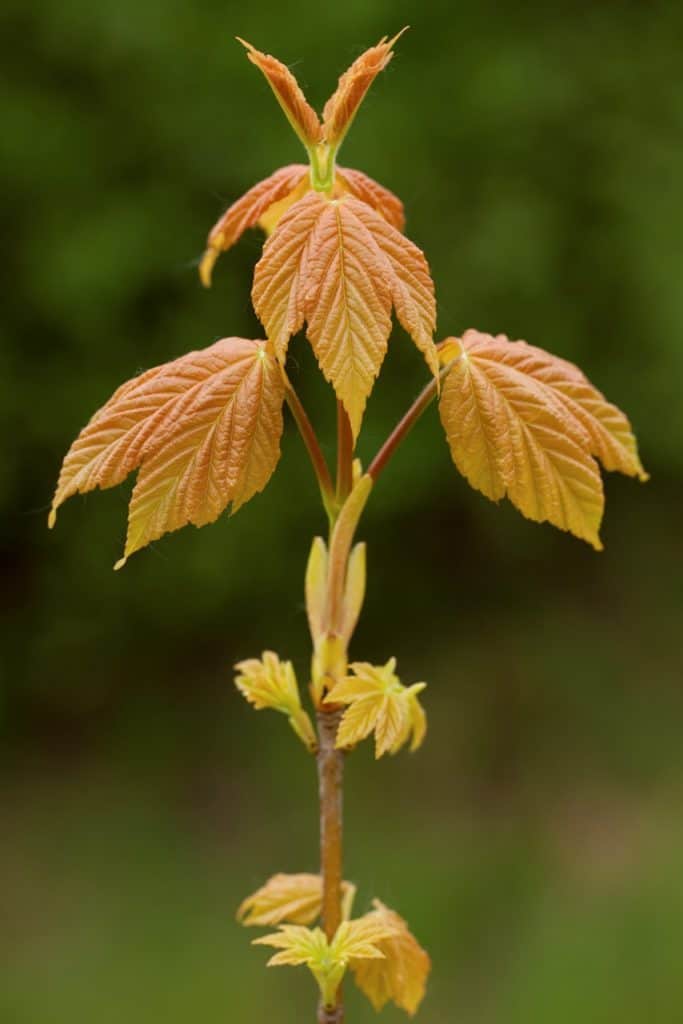
Owners are encouraged to watch for sycamore seedlings, which can cause atypical myopathy, in horse pastures.

You should understand several factors—including age and use of the horse, season, species of pasture grass, pasture management practices, and grazing time available—to best utilize pasture as a part of your horse’s nutritional program.

Of the 1,442 respondents, 684 (47%) said their horses have access to fresh pasture for 12 hours or more each day.

Bahiagrass is a hardy grass species tolerant of drought and poorly drained soils of any type.

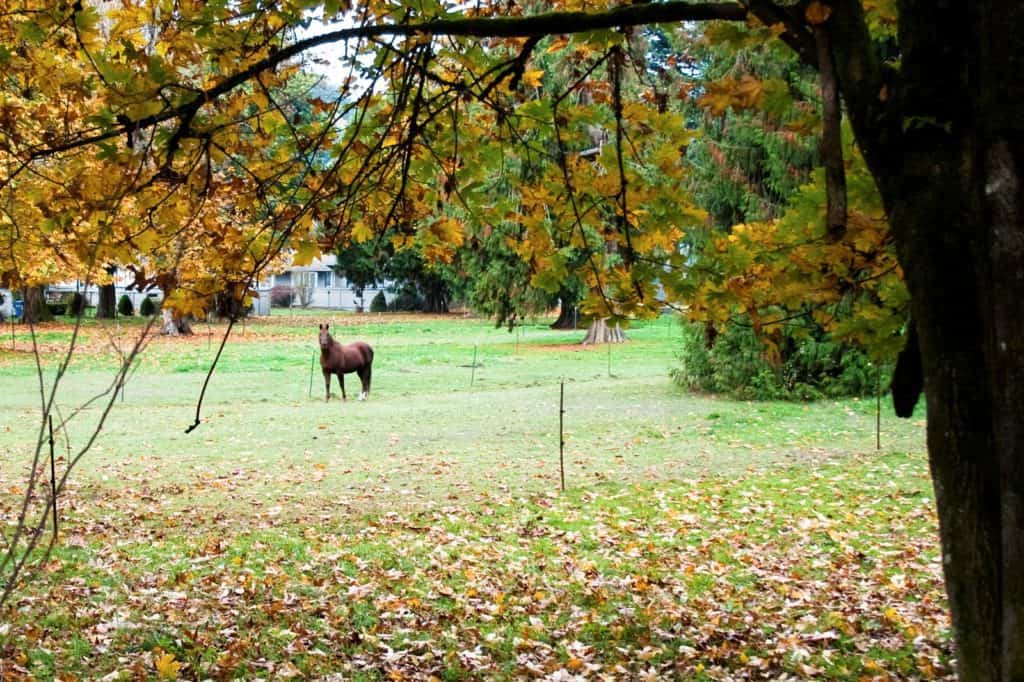
Hypoglycin A is the toxin behind the potentially deadly muscular disease atypical myopathy.

Some trees can kill horses, and horses can kill trees. Here’s what you need to know.

Here are some spring-cleaning tasks and tips from our Facebook fans, as well as reference articles to help you get started.

No doubt about it, horse ownership is a big responsibility. Here’s a look at the basics of what every horse needs.

Using your horse like a “lawnmower” can improve pasture health. Alayne Blickle of Horses for Clean Water explains.

Discover how you can make improvements to your horse pasture with little investment or effort required.

This cool-season grass has a high nutritive value and works well in rotational grazing.