Laminitis 2011 Conference
Through a series of scientific, practical, and owner-oriented programs, presenters covered issues such as lameness detection, pain management, shoeing strategies, and treatment methods.

Through a series of scientific, practical, and owner-oriented programs, presenters covered issues such as lameness detection, pain management, shoeing strategies, and treatment methods.
Technological advances such as MRI have given veterinarians a closer look at navicular syndrome.
The summit will offer 68 hours of hoof care education focused around the theme “Zeroing in on Soundness.”

One veterinarian says designing a specific strategy that addresses all the needs of an affected foot is key.

Three veterinarians discuss the challenges of properly diagnosing and treating/managing horses afflicted with equine Cushing’s disease, equine metabolic syndrome, and associated laminitis.

Prognoses for these cases are often poor, but foot casts might improve survival rates if applied early.
Hospitalized horses are at an increased risk for developing laminitis as a complication of injury or illness.
Sue Dyson, MA, VetMB, PhD, DEO, FRCVS, and Chris Gregory, CJF, FWCF, will present at the lecture in January.

Farriers can help devise a hoof care plan to helps a performance horse return to work as soon as possible.
Veterinarians use the principles of evidence-based medicine when they diagnose patients.
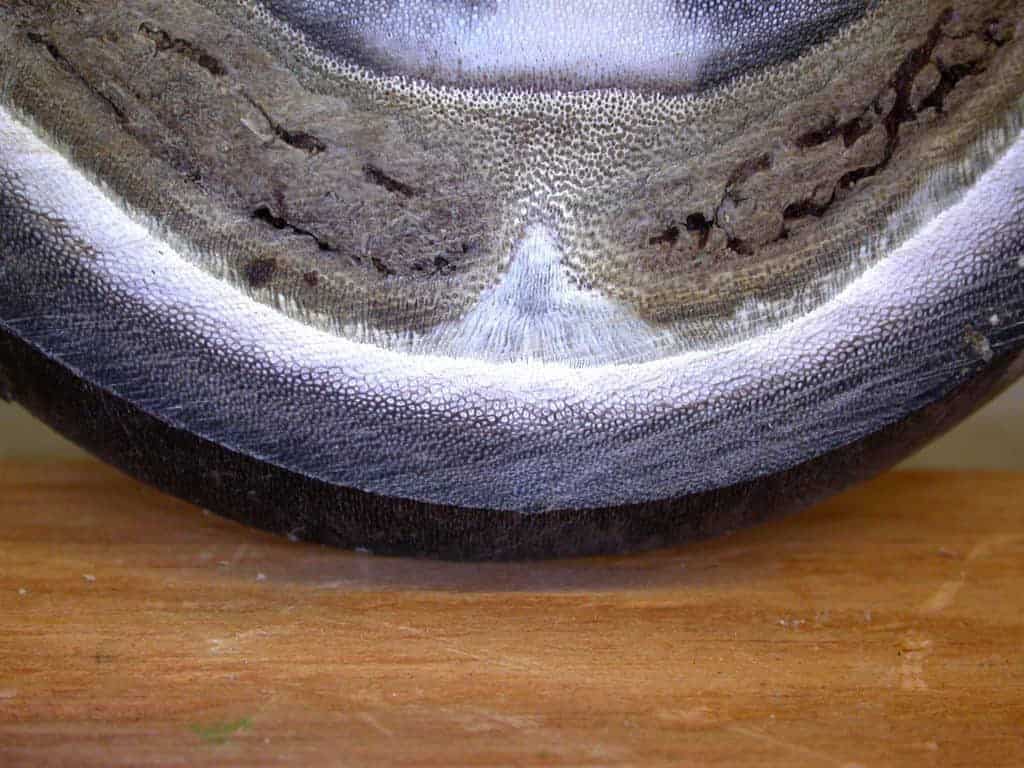
Research is needed to determine if the toe crena could be used as a prognostic indicator for laminitic horses.
Attendees discussed hoof lameness, club feet, track surface’s effect on lameness, back and neck pain, and EPM.

One researcher says accupuncture’s pain-relieving and anti-inflammatory effects can help laminitic horses.

Endocrinopathic laminitis might be more common in horses affected by endocrine disease than once believed.
Contrary to popular belief, feral horses are not exempt from developing laminitis.
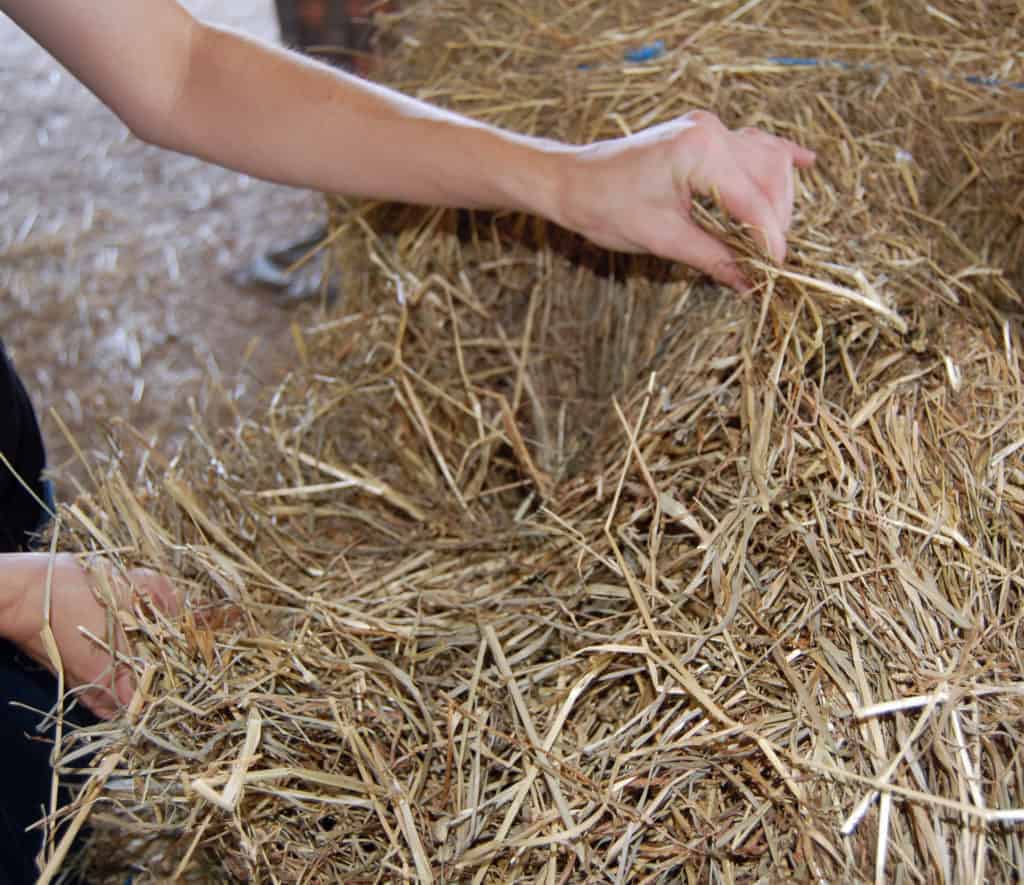
According to one team of researchers, WSC reduction varies depending on how long the hay is submerged.