Managing Acute Hyperinsulinemia-Associated Laminitis in Horses
Reacting quickly and correctly to an episode of HAL will give your horse a greater chance for future soundness.

Reacting quickly and correctly to an episode of HAL will give your horse a greater chance for future soundness.

When managing laminitic horses, making dietary changes is often necessary for the success of other treatment efforts.

Learn why some horses are more likely to develop EMS and associated laminitis and how to tell if your horse is at risk.

Punctures, abscesses, and worse: What to do when your horse’s hoof is hurting and whom to call for help.

Learn about the 4 stages of wound repair and the steps you can take to help your horse’s wounds heal.

When a horse’s healing process gets derailed, wounds can become chronic. Here’s how to prevent complications.
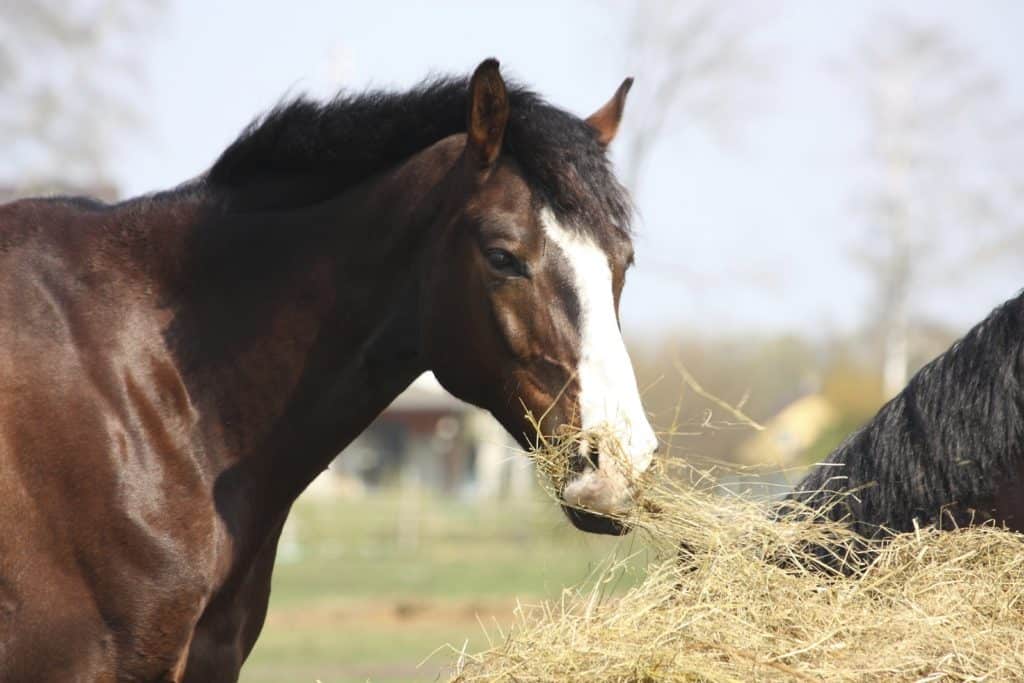
Our equine nutrition expert offers a reader advice on how to feed a thin horse with a history of laminitis without causing another bout of the disease.

Is club foot an inherited condition in horses? A veterinarian offers her thoughts.
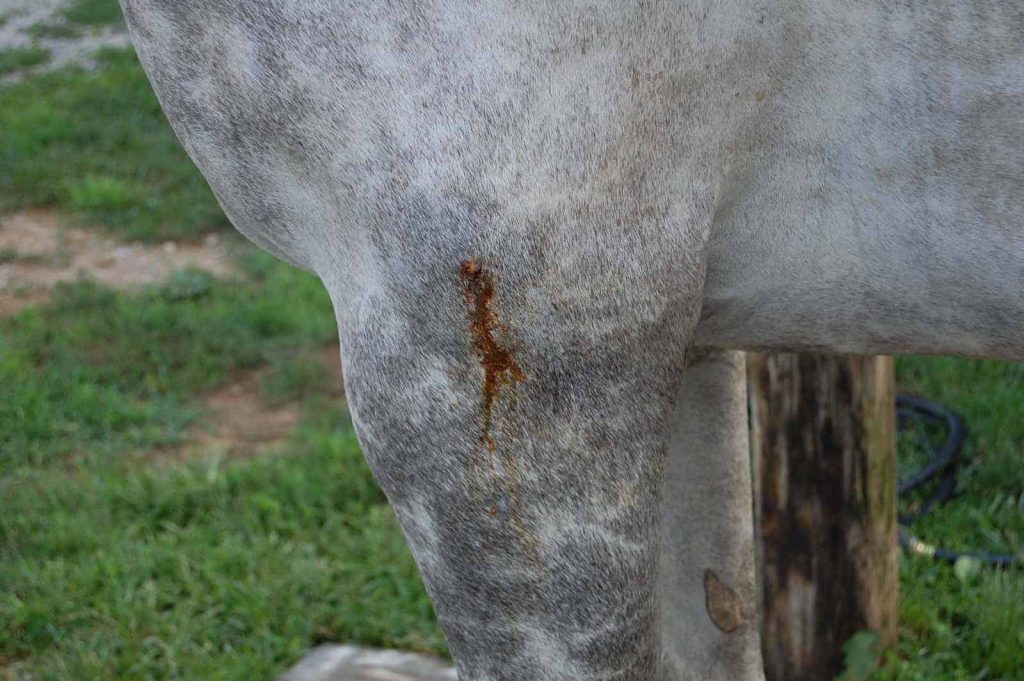
They might appear minor on the surface, but puncture wounds can involve dangerous underlying damage and infection. Here’s what you need to know about these injuries.

Experts discuss what to do when your horse turns up with knee, hock, fetlock, or other leg joint wounds, and why.

Can an active PPID horse have pasture access and performance feed? Our equine nutrition expert offers advice on feeding a gelding with managed PPID.

Horses can go lame for a variety of reasons. Here are 4 common causes of lameness and their treatment options.

Does alfalfa cause kidney or respiratory problems or make horses hyper? Specialists shed light on these myths and more.

Learn about the differences, and a few key similarities, between these two endocrine diseases.

The Type 2 diabetes drug might help horses with chronic hyperinsulinemia and laminitis that haven’t responded to management changes.

If managed with the right nutrition plan, horses and ponies with histories of laminitis can have successful careers.