The Incredible Equine Neck
Find out how your horse can hurt his neck, risks for injury and disease, and associated therapies, so you can give your horse the best chance for a strong neck and an athletic future.

Find out how your horse can hurt his neck, risks for injury and disease, and associated therapies, so you can give your horse the best chance for a strong neck and an athletic future.

Researchers have learned more about inflammatory biomarkers and their presence in horses with inflammaging, or age-related bodywide inflammation.

Dr. Anna Pesta-Dunaway describes the basics of helping the competition horse build muscle in this excerpt from Ask TheHorse Live.

Researchers have determined that testing bronchoalveolar lavage fluid might be the most accurate way to diagnose horses with equine asthma.

Researchers are working to find a way to individualize equine asthma treatment.

A new method of equine muscle cell research might be more welfare-friendly than in vivo studies.

Researchers found that feeding a certain prebiotic product prior to transport and exercise reduced dysbiosis and leaky gut syndrome.

Lumps, bumps, coughs, wheals, and wheezes: a basic overview of equine allergies.

Orthobiologics are emerging tools in veterinary medicine that use the body’s natural defense mechanisms to treat a variety of musculoskeletal problems.
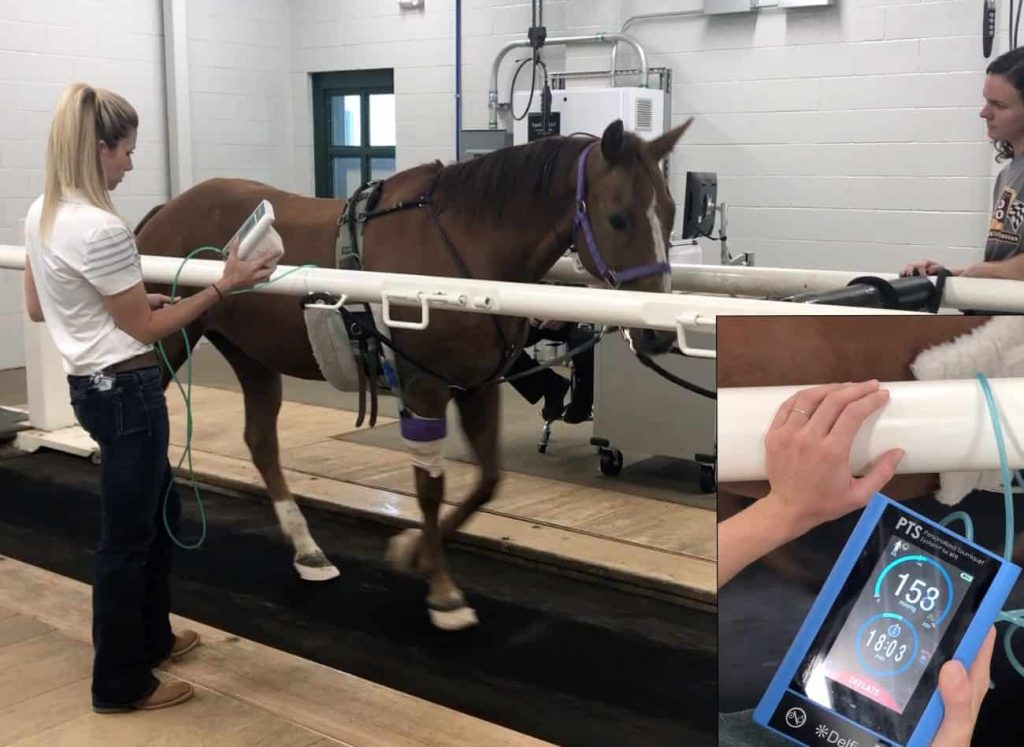
Blood flow restriction (BFR), a human rehab modality, was found to be safe and well-tolerated by horses in a pilot study.

Managing the magnitude and frequency of limb loading is key to keeping horses—particularly racehorses—injury-free.

Cardiovascular malfunction might impede athletic performance, but with correct diagnosis and management some horses can still have athletic careers.

Researchers found a strong association between hind hoof balance and posture that could affect overall musculoskeletal health.

Researchers have discovered that ponies that have suffered from laminitis have higher blood pressure and therefore overproduce vasodilators.

Often, a horse’s behavior problems are rooted in either pain or incomplete training. Here’s what to consider.

One researcher assessed the physiologic mechanisms of this type of colic and found they share similarities with cystic fibrosis in humans.