Biosecurity Awareness Month, Sponsored by Zoetis
Biosecurity is essential in horse care to prevent disease transmission and safeguard the health of horses. Look for biosecurity content all month, brought to you by Zoetis.

Biosecurity is essential in horse care to prevent disease transmission and safeguard the health of horses. Look for biosecurity content all month, brought to you by Zoetis.
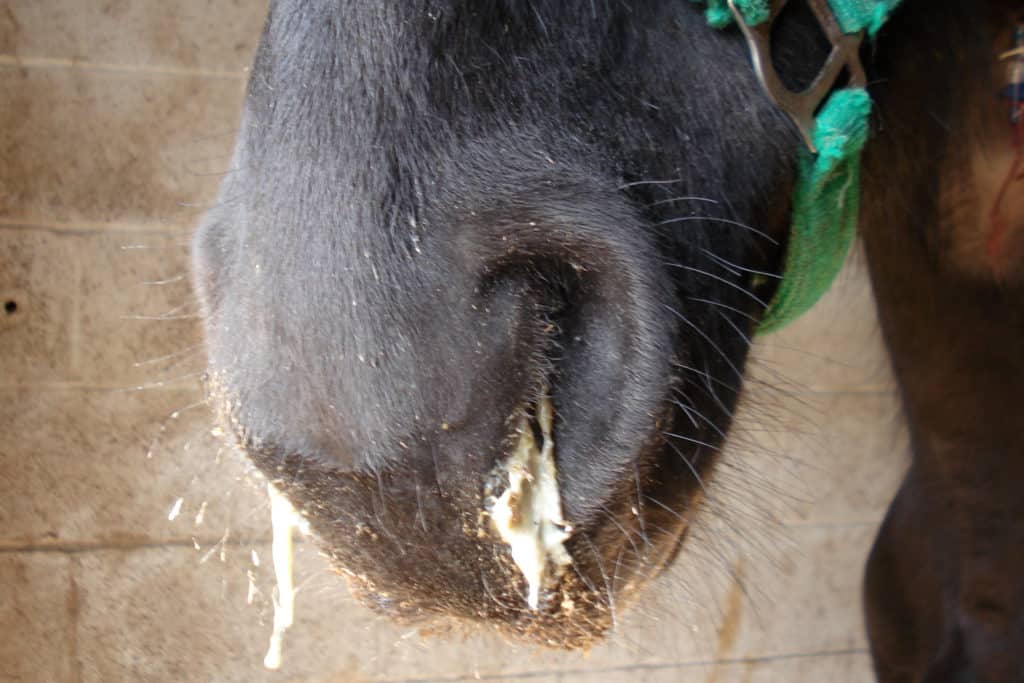
Here’s how to handle a strangles outbreak in your barn and prevent the disease in the future.
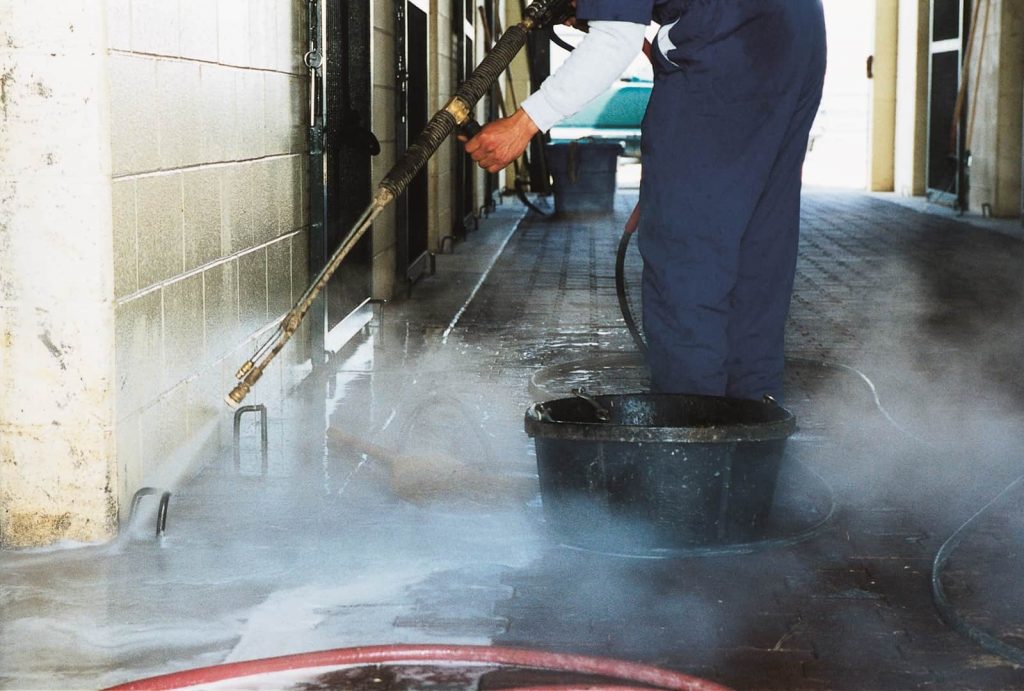
Taking these steps can help rid your barn of the strangles-causing pathogen.
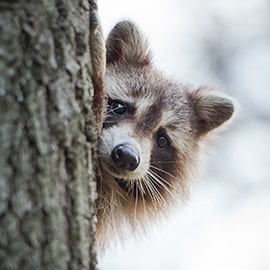
Wildlife can spread rabies and equine protozoal myeloencephalitis (EPM) to horses, so secure your barn against unwanted visitors.

Learn more about equine asthma, acute respiratory infections, and shipping fever in horses.

After testing horses during a 2022 EHV-1 outbreak, researchers found even those showing no signs shed common respiratory pathogens.

Follow these steps to prevent disease spread on your farm.

Is my horse at risk of catching pigeon fever from another horse at my trainer’s barn?

Veterinary authorities recommend these vaccines for all horses, every year.

Consider these horse health- and safety-oriented design aspects when building or renovating your barn.

The FEI veterinary committee proposed 13 ways to improve biosecurity at equestrian events.

Disease control focuses on prevention through increased biosecurity protocols.
Here’s how to protect your horse from this highly contagious respiratory virus.

Remember these three core biosecurity steps to help keep your horses as well as your fellow competitors’ horses healthy.

One survey found 84% of veterinarians didn’t use PPE or wash their hands between equine dental patients. One researcher says biosecurity should be the expectation, not the exception. Find out why.

The AAEP revised the cutoff for a temperature to be considered a fever, resources on integrated pest management, and guidelines clarifying regulatory involvement’s role in outbreak situations.