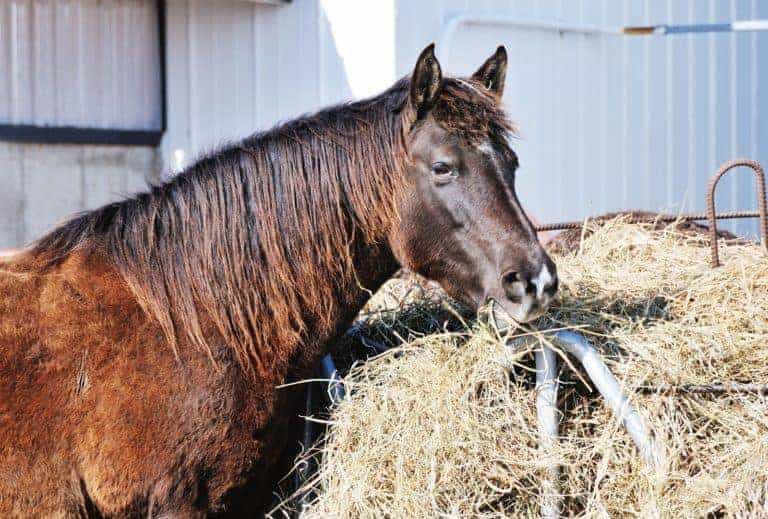
Study: Schmallenberg Virus Might Infect Horses
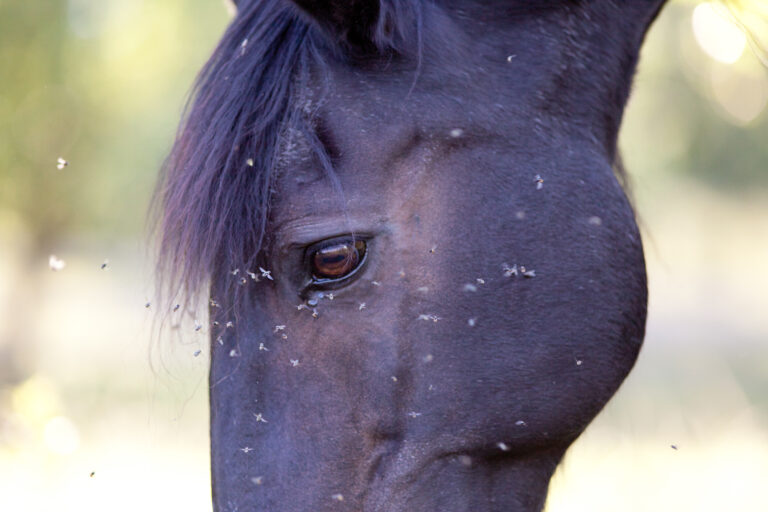
Ten horses in Iran are the first horses worldwide to test positive for antibodies against Schmallenberg virus, which is known to infect ruminants in some parts of Europe.

Ten horses in Iran are the first horses worldwide to test positive for antibodies against Schmallenberg virus, which is known to infect ruminants in some parts of Europe.
Researchers say applying targeted insecticides to stable walls and roofs, as well as manipulating midge habitats (such as draining and removal and/or altering breeding sites) can reduce larval and adult populations.
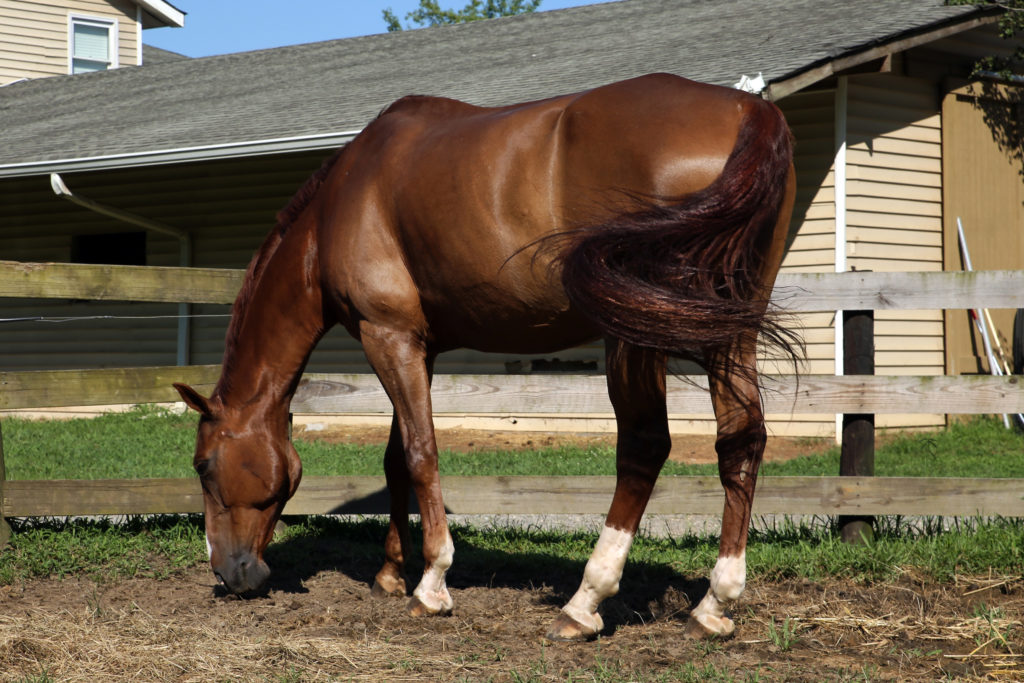
We all know horses use their tails to ward off flying insects. But the mechanics behind that effective tail swatting is intriguing scientists, and it could lead to tail-inspired bug repellent technology.

Not every owner has access to pasture for their horses. Download this free report to learn more about drylots and special considerations for housing horses in pastureless regions.
Learn how rising temperatures and higher rainfall totals might lead to an increased risk of mosquito- and tick-borne disease in horses.

As of August 2018, the invasive Asian longhorned tick has been found in at least one location in Arkansas, Connecticut, Maryland, New Jersey, New York, North Carolina, Pennsylvania, Virginia, and West Virginia.

Take steps to manage your horse’s weight and behavior while he’s cooped up.

Swiss researchers have developed and tested a novel IBH vaccine for horses that minimized the disease-associated inflammation and itching in their trial herd.

An immunotherapeutics approach could represent a new generation in therapies for treating chronic immune diseases and could mean new treatment options are on the horizon for horses suffering from IBH.

Lyme disease is notoriously difficult to diagnose and has (or might not have) a myriad of vague (or not-so-vague) clinical signs in horses. Learn about this tick-borne disease and get your questions answered during our live Q&A.

We’ve compiled 10 resources to help you get and stay up to speed on Lyme in case you’re ever faced with an infected horse.

By adopting key planning and management strategies, owners can keep horses successfully on small properties. Learn about zoning regulations, manure management, insect control, insurance, and more in this free report!

Here’s a non-toxic insect control approach that can work for anyone: Encourage insect-eating birds to move into your yards, pasture, and barn areas.

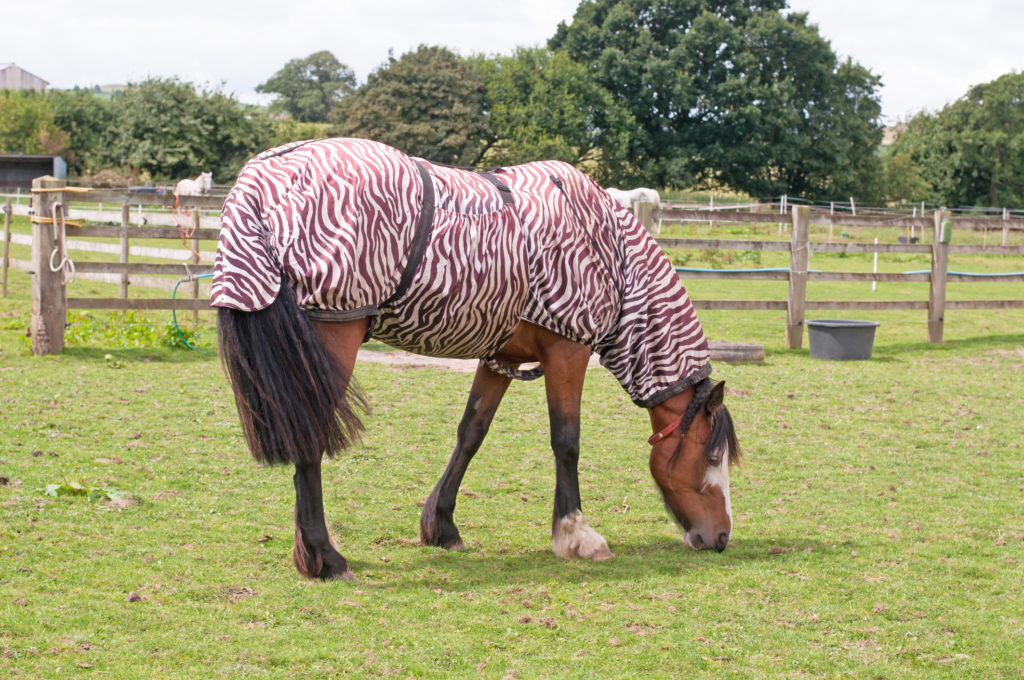
Zebra stripes appear to create optical illusions for horseflies and might cause them to avoid approaching altogether.

What should you do if you find unwelcome pests in your horse’s grain? Our nutritionist weighs in.