Why Do Equine Researchers Study the ‘Obvious’?
Why do researchers spend time studying basic equine behavior questions when the answers seems so obvious? An horse behavior researcher weighs in.

Why do researchers spend time studying basic equine behavior questions when the answers seems so obvious? An horse behavior researcher weighs in.

Dr. Camie Heleski describes learning theory to help horse people and vets more safely and humanely interact with horses.

The horse training aid researchers tested–made up of a system of loops and a pulley–could help keep rein tension levels at near zero with the horse’s nose at the vertical.

A senior mare gets grumpy when other horses walk by her in the barn. Our equine behaviorist looks at possible reasons why and how her owner can fix her aggressive behavior.
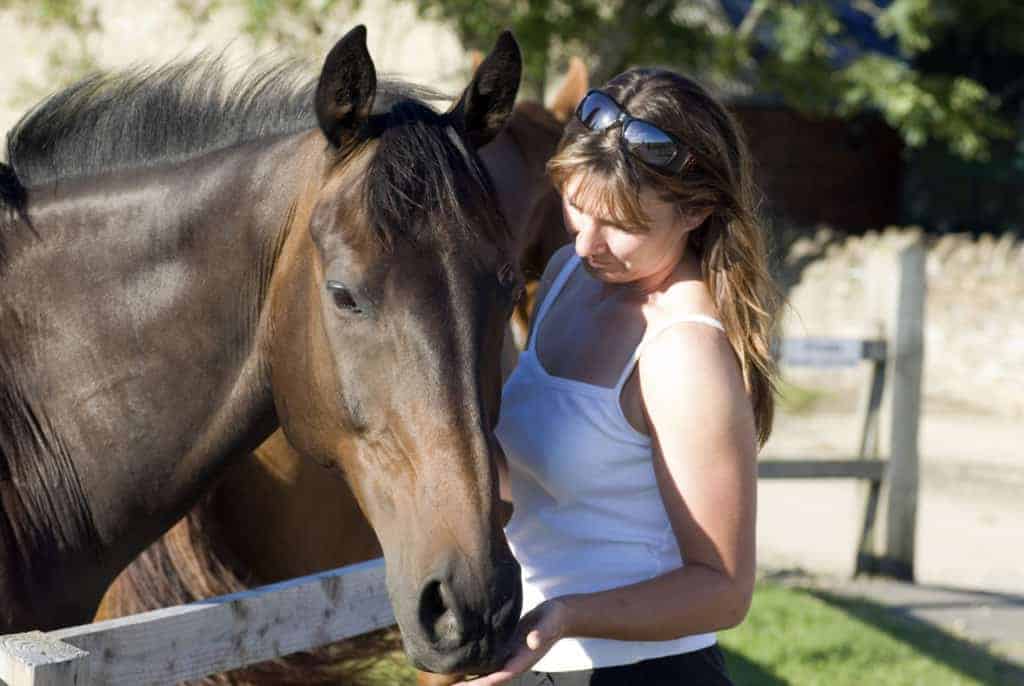
The event will take place Sept. 21 at the Lanceri di Montebello military academy, where equine welfare pioneer Captain Federico Caprilli worked in the 1800s.

Find out how equine researchers are using the latest gadgets and gizmos to diagnose lameness, collect data, and more.

Researchers determined that, even in a short time span, a horse can associate a place with positive or negative experiences and consequently present different emotions when he returns to that place.

Researchers found significant signs of stress reduction when horses inhaled lavender essential oil from a diffuser compared to water vapor and chamomile.

Horses don’t seem to be able to reason about object size the way we do. In other words, it might not occur to horses that their 1,200-pound frames can’t quite hide behind a 5-inch-wide tree trunk.
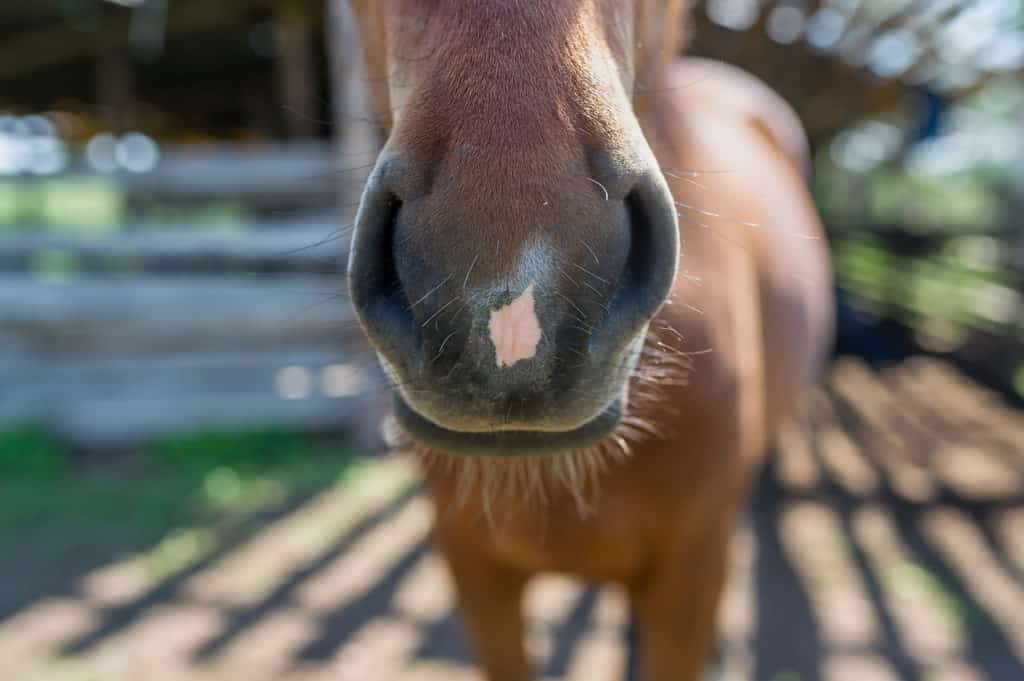
New evidence suggesting that horses produce more snorts in favorable situations could improve animal welfare practices, researchers say.

The “bucket test” has its place but it can give significantly different results than an all-day field test of horses at pasture. That’s especially true for lower-ranking horses, researchers said.

Understanding how individual horses think and reason could help handlers be aware of their individual needs and strengths, researchers say.

Scientists developed a portable testing system which uses infrared technology that can allow them to evaluate horses in their home stables without human intervention.

Researchers demonstrated for the first time that horses use humans’ facial expressions and vocal tones to perceive emotion.

Most equestrians would be horrified to know they’re hurting their horses. But with the equipment we use—from spurs to nosebands—we might be unintentionally causing them harm.
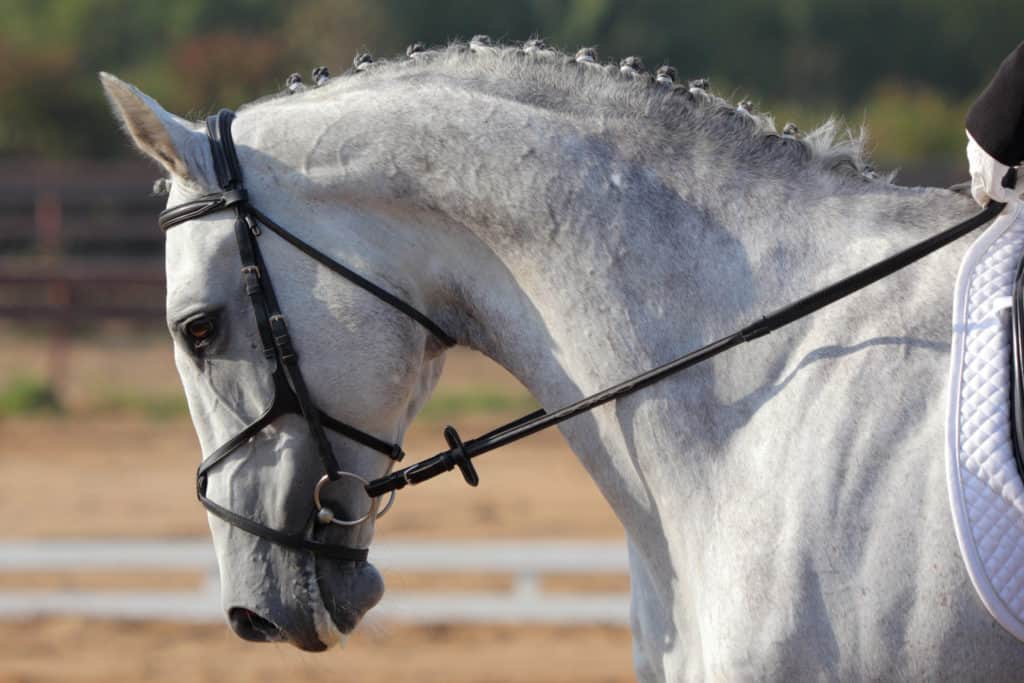
New study results indicate the pressure horses appear to accept from most bitless bridles is comparable to that they accept from snaffle bridles.