Treat-Training Horses While Riding
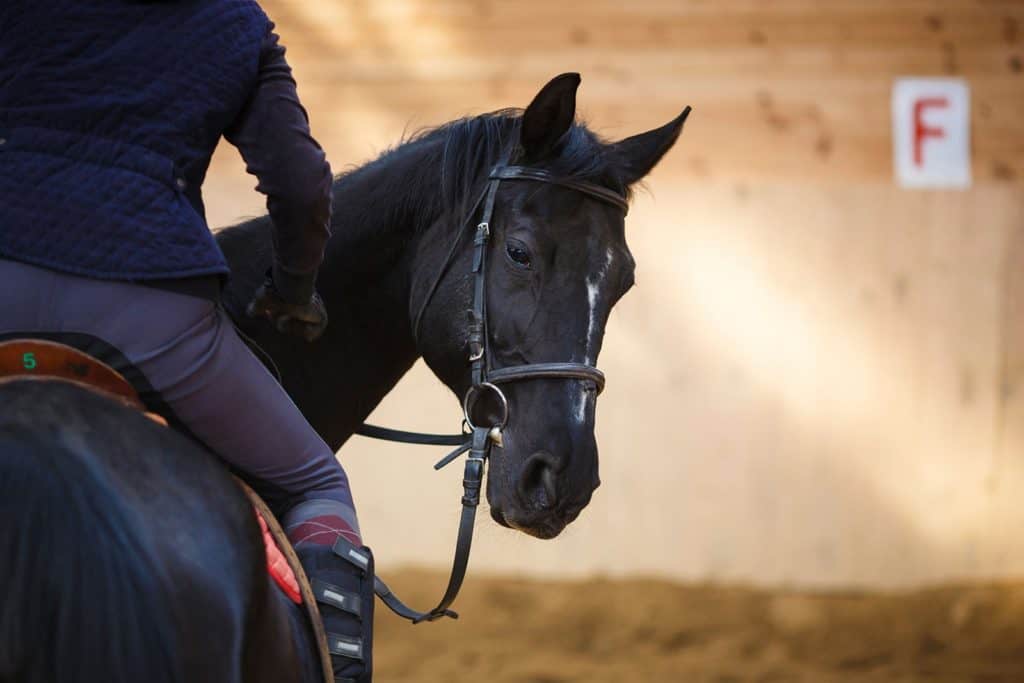
Our equine behavior expert offers advice for applying learning theory and treat-training horses under saddle.

Our equine behavior expert offers advice for applying learning theory and treat-training horses under saddle.
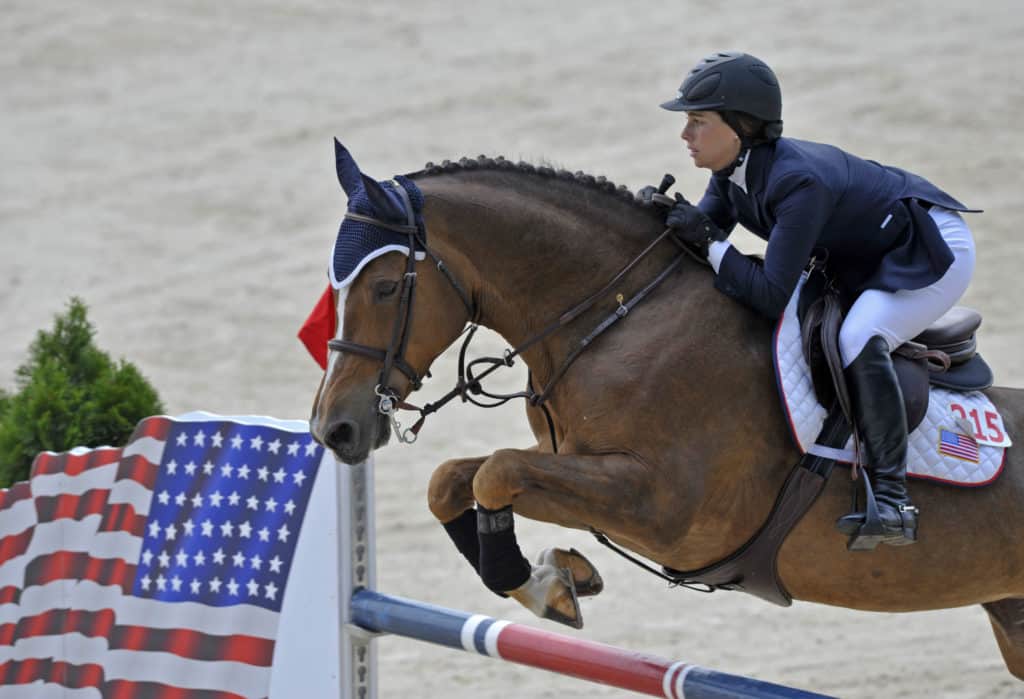
More experienced riders held their eyes on a specific point more frequently than less experienced riders, who shifted their vision frequently to look at more things, researchers found.

A new wearable device allows scientists to take electroencephalogram (EEG) measurements from active, moving horses’ brains in real time, which could help us better understand how horses think and react, researchers said.
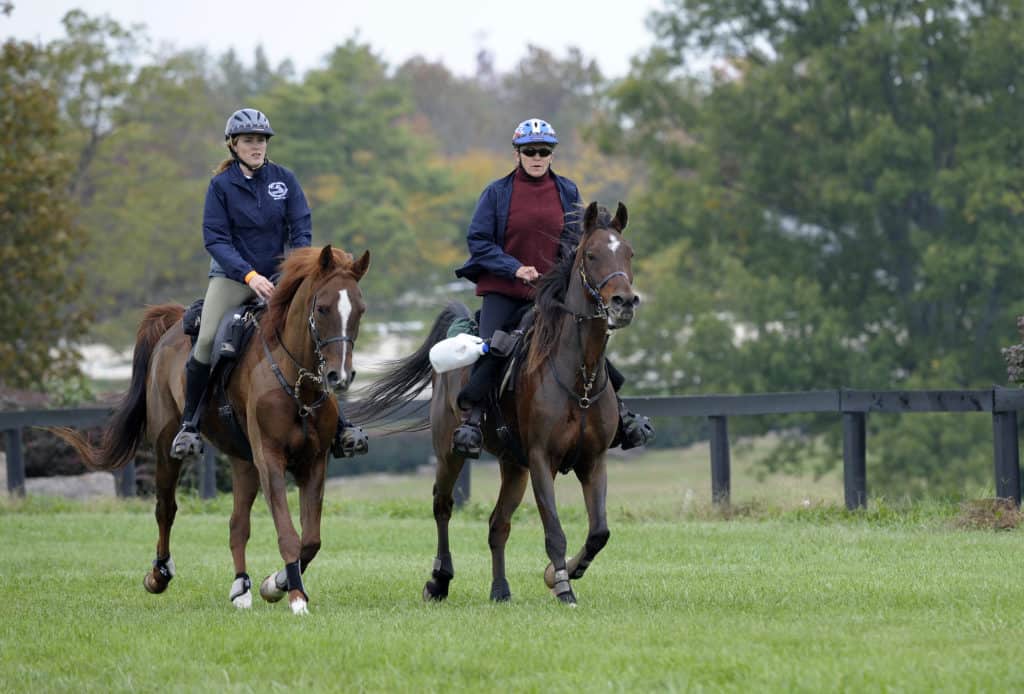
Horses have varying degrees of “distractibility,” and this can significantly affect their attention capacities and, hence, their efficiency in learning, researchers confirmed.

Horseback riding requires healthy backs–not just for horses but also humans. In fact, human back health can have direct implications on equine back health, as well as the horse’s welfare and performance.

Salivary cortisol (“stress hormone”) concentrations weren’t associated with scores in dressage and show jumping horses during three national events in Denmark, researchers found.

U.S. Olympic show jumper Kent Farrington discusses horsemanship, training, recognizing each horse’s individuality, his “ponies,” and more.

Recent study results suggest that horses’ nods allow them to use energy more efficiently to carry their heavy heads.
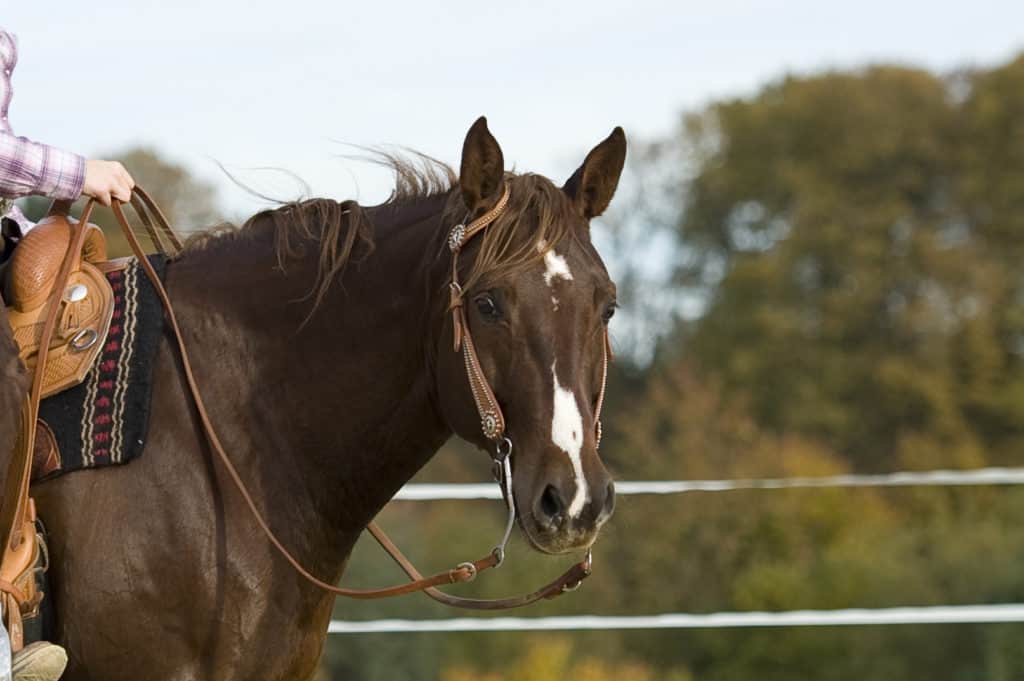
Researchers determined that, in one study, Western curb bits caused less rein tension than did English snaffles.

Get a glimpse into the inaugural Progressive Equine Behavior & Training Forum, only on TheHorse.com!

The researchers said owners shouldn’t stop using verbal praise, but they recommended adding a treat or food reward to help motivate horses to learn.
At this stage researchers can’t say whether one position is better or worse, however. That’s especially true when it comes to training, they said.
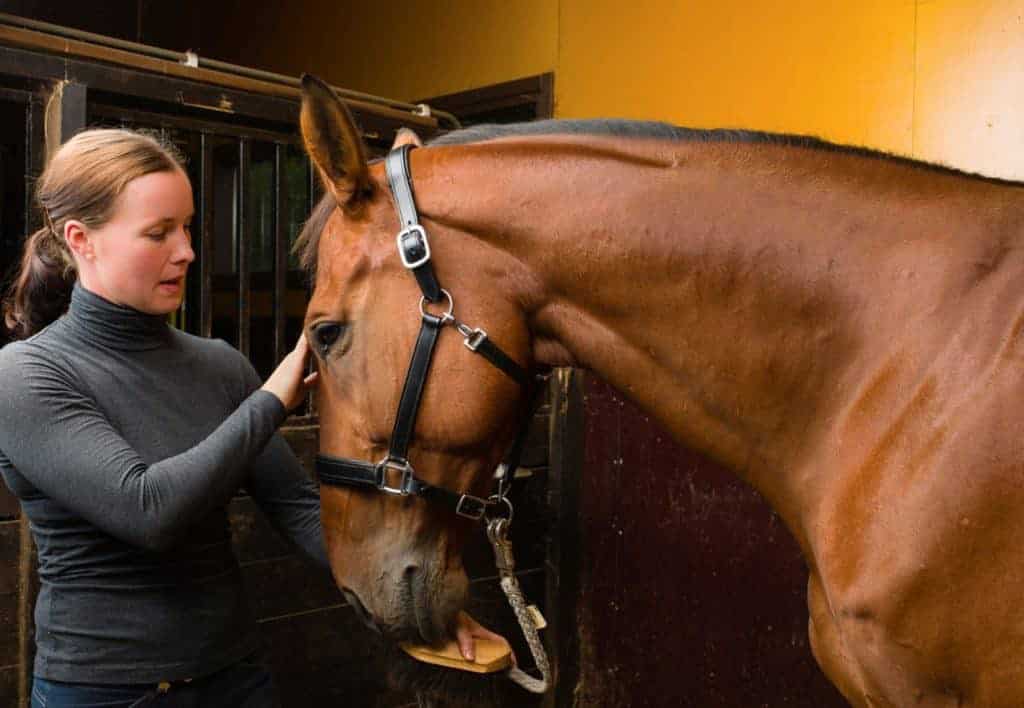
To make a sustainable difference to horse welfare, owners must apply the findings of research into human behavior change, one researcher says.
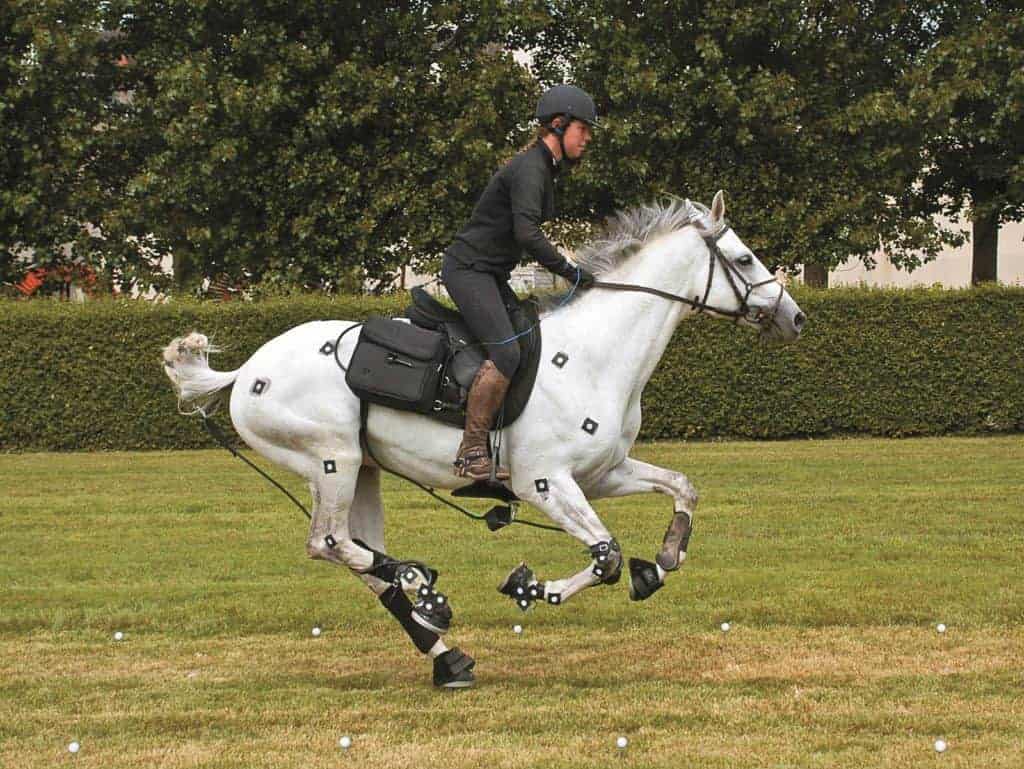
Through good research and communication, equitation science can continue to evolve in a positive manner with the goal of improving equine welfare and horse and rider interactions.

Whips, spurs, and horse-head-control equipment can be misused by riders and misunderstood by spectators, both of which can have negative outcomes for horses and the industry alike.
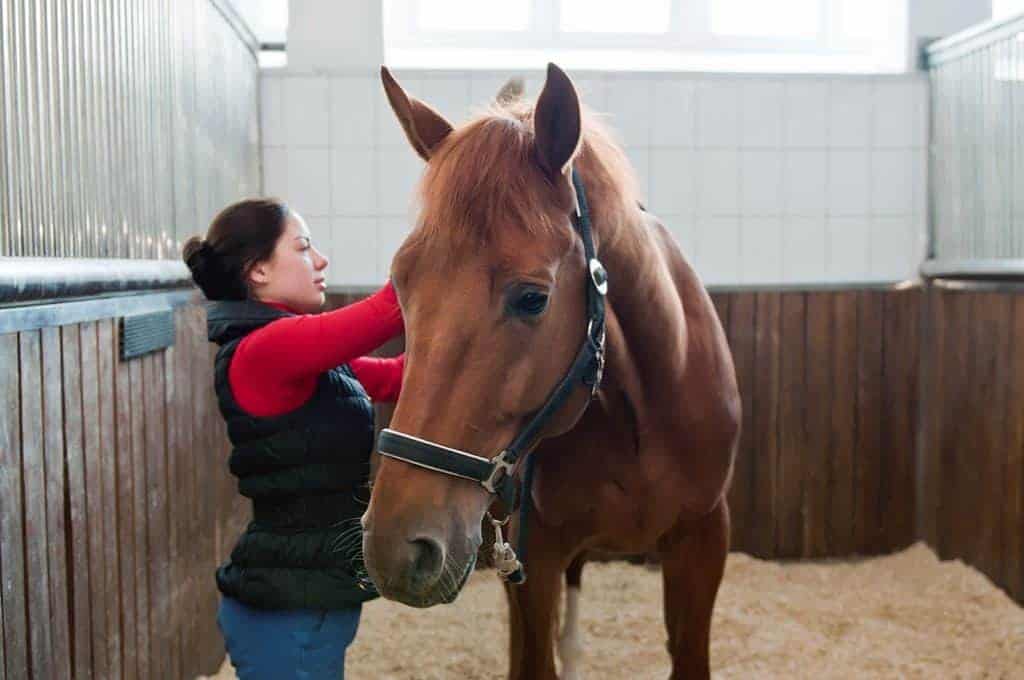
Researchers are still lacking reliable tools to understand what good equine welfare looks like from the horse’s point of view, but they’re making progress.