TheHorse.com’s Top Podcasts of 2017
Listen to audio features on equine learning, behavior, dentistry, metabolic syndrome, parasites, and more.

Listen to audio features on equine learning, behavior, dentistry, metabolic syndrome, parasites, and more.

Larger paddocks led to fewer social interactions–both positive and negative–among horses, researchers found.

Understanding body language when working with equids can improve how we interact with and study them.

Rider biomechanics significantly impact horse biomechanics, affecting performance, musculoskeletal health, and welfare.

Understanding the biomechanics of cues from a rider’s legs, seat, and hands could improve horse welfare, scientists say.

Researchers found that the cribbers in their study were deficient in selenium.
The International Society for Equitation Science event will take place Nov. 22-25, in New South Wales, Australia.

Researchers have learned that horses and humans tend to align their physiological responses to emotional stimulation.
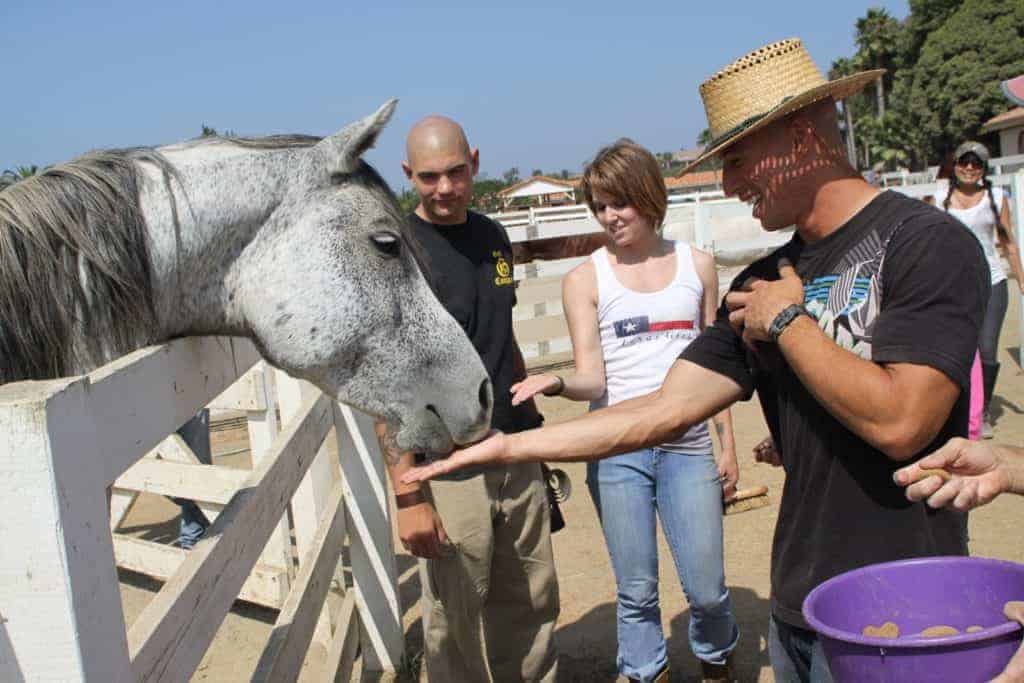
Researchers confirmed that therapeutic riding horses exhibited low physiological and behavioral stress responses.

Members of Saddle Up Safely’s partner organizations can receive a 10% discount on the registration fee.
A link between equine personality and cognition style could impact how we train and manage individual horses.

Horses showing signs of compromised welfare had low cortisol levels, indicating it could be a chronic stress indicator.
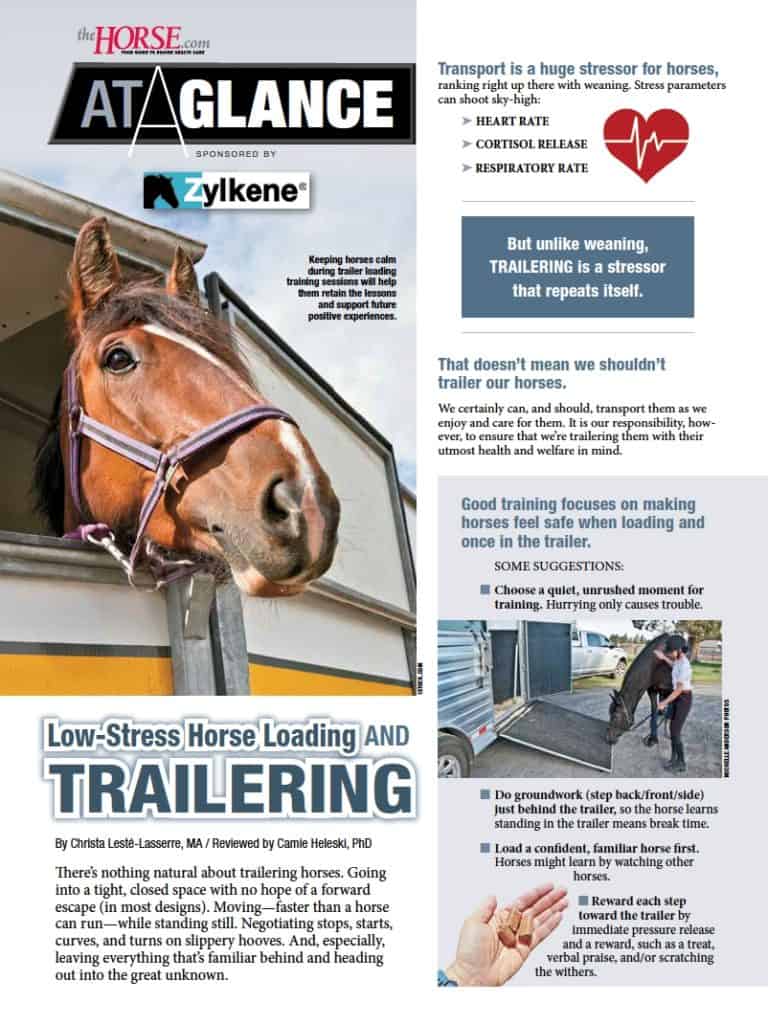
Trailering can be unnerving for some horses. Download this special report to learn how to keep your horse’s trailering experience safe and stress-free.

Dr. Camie Heleski offers insight on how horse and human brains differ.

The University of Kentucky’s Dr. Camie Heleski offers advice for handling buddy-sour horses.
Have you taught a horse a task on his left but had him be clueless about it on his right? Dr. Camie Heleski explains.