Things to Remember When Working With Mules
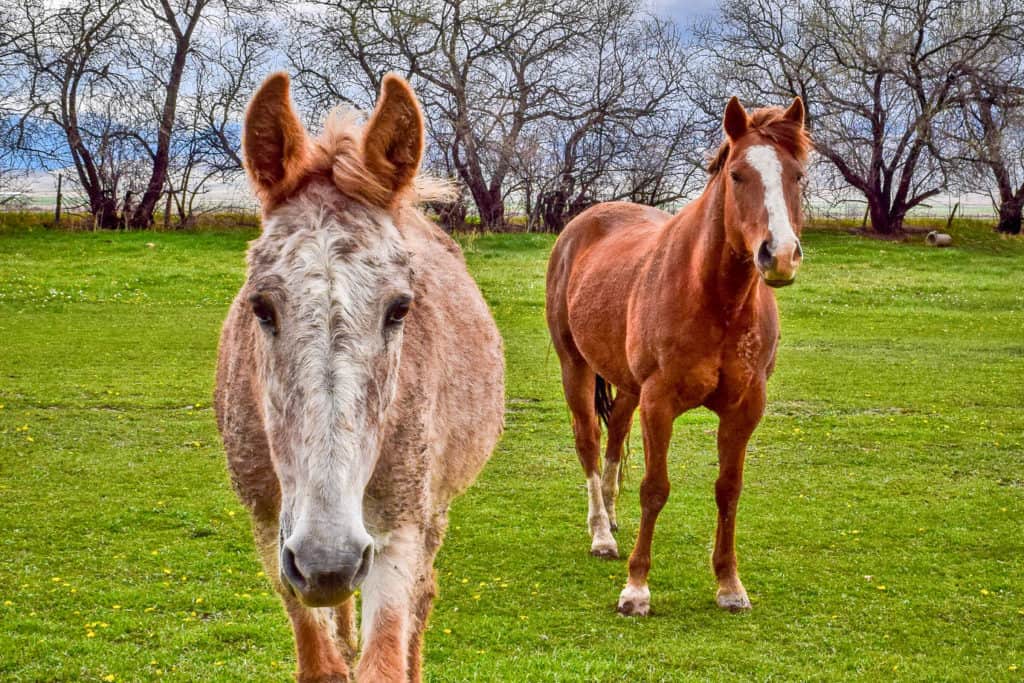
Mules are extremely quick learners. Here are a few things to remember when working with them.

Mules are extremely quick learners. Here are a few things to remember when working with them.
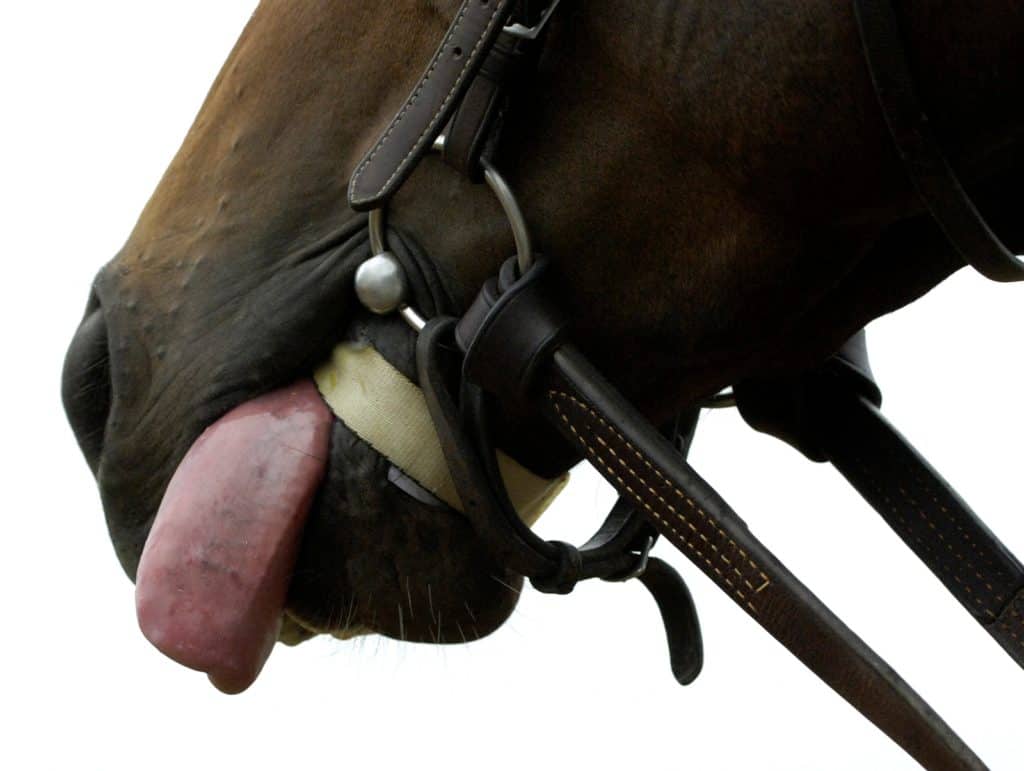
Tongue ties help some racehorses breathe better, but study results suggest they can also cause stress, even in horses that have been tied regularly in the past.
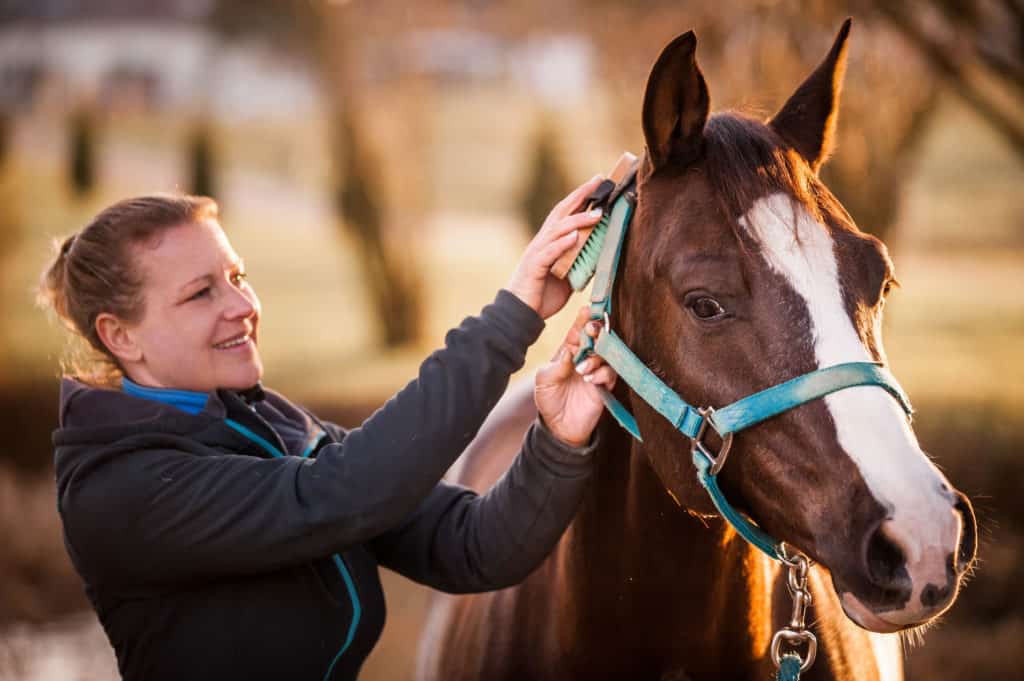
The ability to select Quarter Horse breeding stock for behavior traits might improve equine welfare and human safety, researchers said.
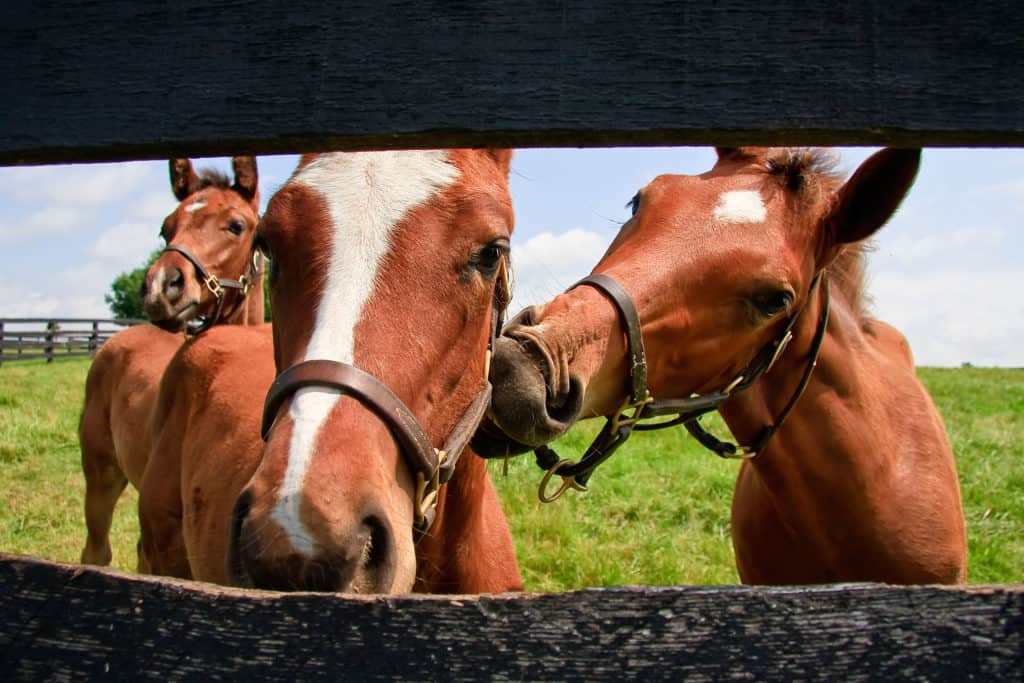
Foals’ initial expressions of their developing personalities are clear signs of the horse’s adult personality–and even learning capacity–to come, researchers found.
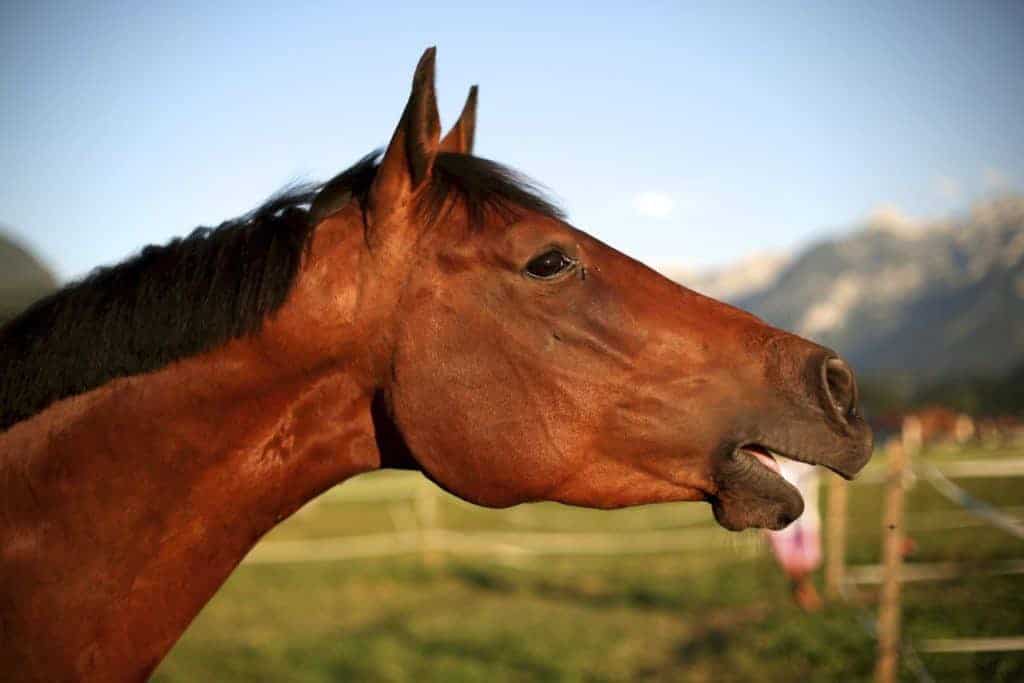
While the horses recognize positive from negative emotions in whinnies, they might not become positively or negatively emotional as a result.
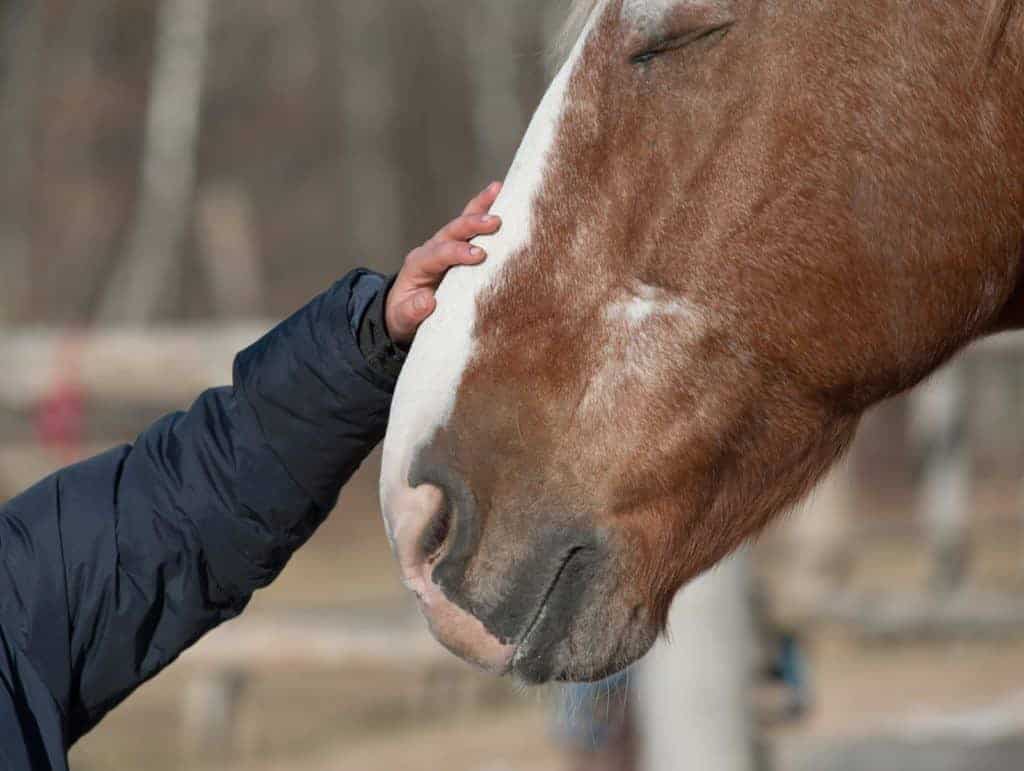
Researchers found that young people recognized signs of poor horse welfare in common training practices as well as adult experts did.

Vets should perform a careful assessment of a mare’s hormonal status to determine whether there’s a definitive, repeatable relationship between it and her undesirable behavior.

The “alpha” concept of showing dominance when training a horse doesn’t coincide with what equitation science research is revealing, scientists say.

A look at racing ethics could help researchers and industry members acknowledge rightful concerns from a well-meaning public, help resolve misconceptions, and contribute to better equine welfare.

Applying learning theory principles in equine veterinary practice can improve safety and horse welfare, as well as client satisfaction. Here’s what to know.

The domains focus on horses’ nutrition, environment, health, behavior, and mental experiences.

Here’s how vets can carry out five common mildly aversive procedures using learning science and behavior modification techniques.

Researchers recently determined that horses appear more bothered by social isolation than mild pain.
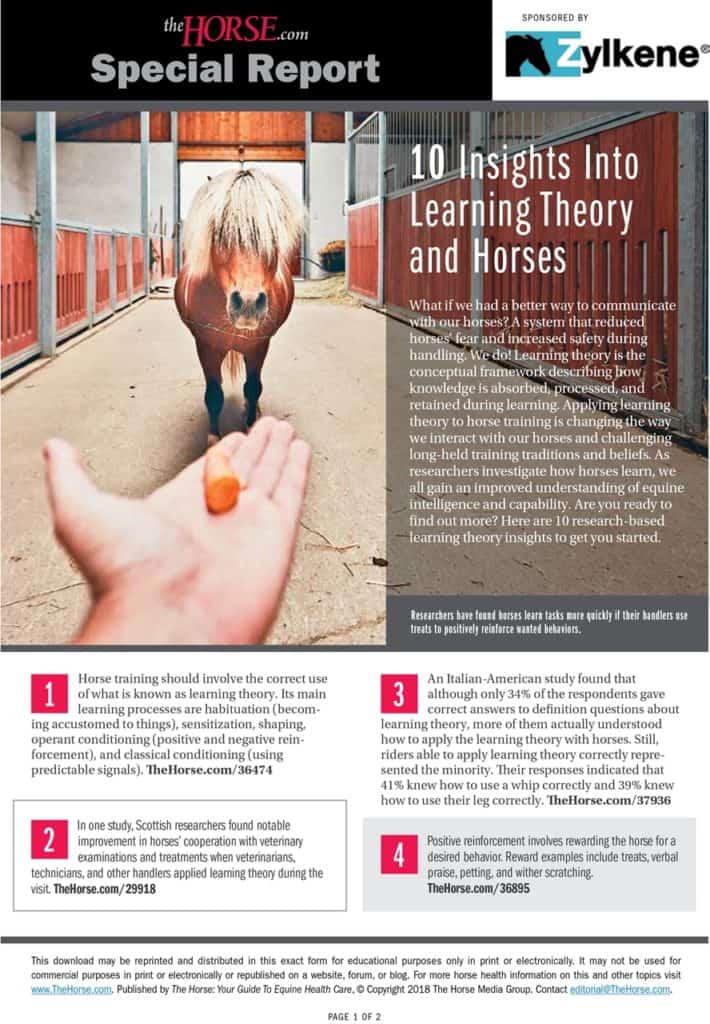
Do you want to learn how to better communicate with your horse? Check out these 10 research-based learning theory insights.
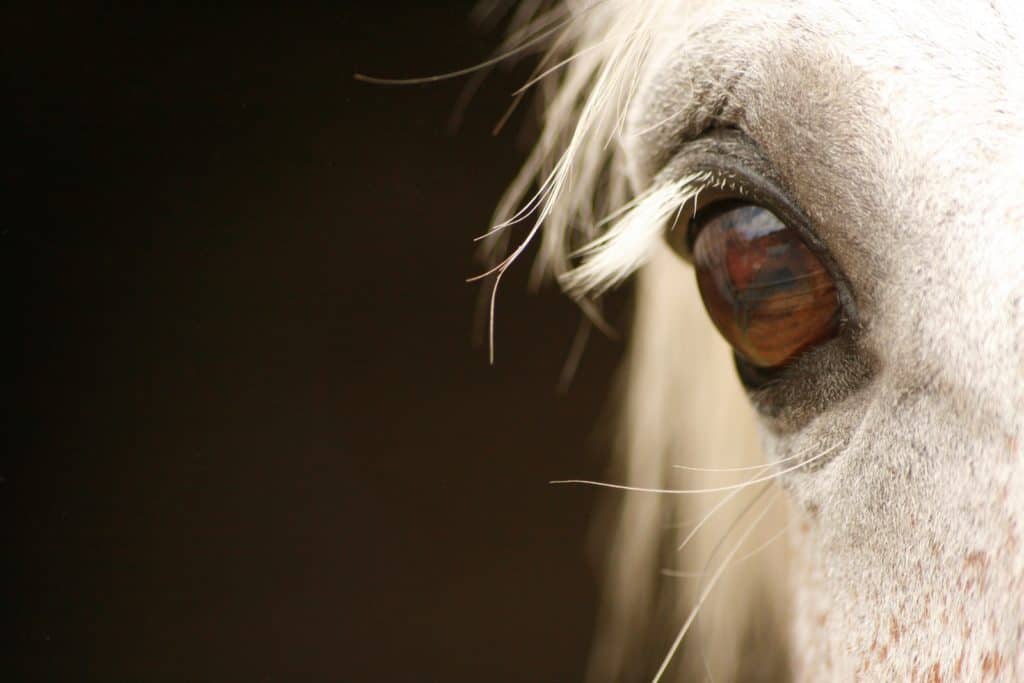
Full and half blinks decreased significantly during stressful situations, researchers found.
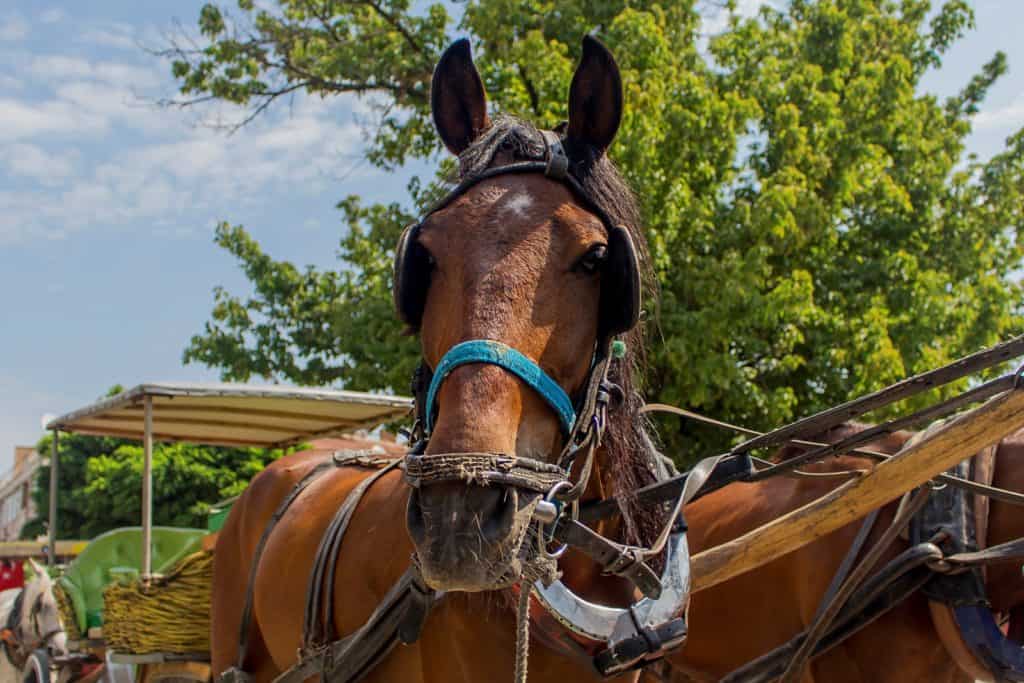
Researchers found that in Chile, the horses belonging to even the poorest individuals often led good and healthy lives.