Ridden Horse Pain Ethogram for Assessing Lameness, Saddle Fit
The RHpE can be used to help detect musculoskeletal pain in horses caused by limb lameness and poor saddle fit.

The RHpE can be used to help detect musculoskeletal pain in horses caused by limb lameness and poor saddle fit.

Multifidus muscle pain and atrophy in horses can cause many problems, including back pain, poor core strength, and limb lameness.

Veterinarians across the U.S. share their most successful diagnostic methods and treatments for back pain in horses.

An equine veterinarian’s rehabilitation plan depends on whether the horse received surgical or nonsurgical treatment.

Neck pain in horses can be difficult to diagnose; clinical signs might not match what’s seen on imaging. Learn how vets interpret findings and develop a treatment plan.
Find out how your horse can hurt his neck, risks for injury and disease, and associated therapies, so you can give your horse the best chance for a strong neck and an athletic future.

Researchers discussed the complications 212 veterinarians experienced after performing sacroiliac joint region injections.

Determining a horse’s cause of neck pain can help ensure he receives the correct treatment.

The best diagnostic imaging tool for the cervical spine is MRI, rather than widely used radiographs.

Veterinarians discuss how they radiograph, ultrasound, and treat neck problems.
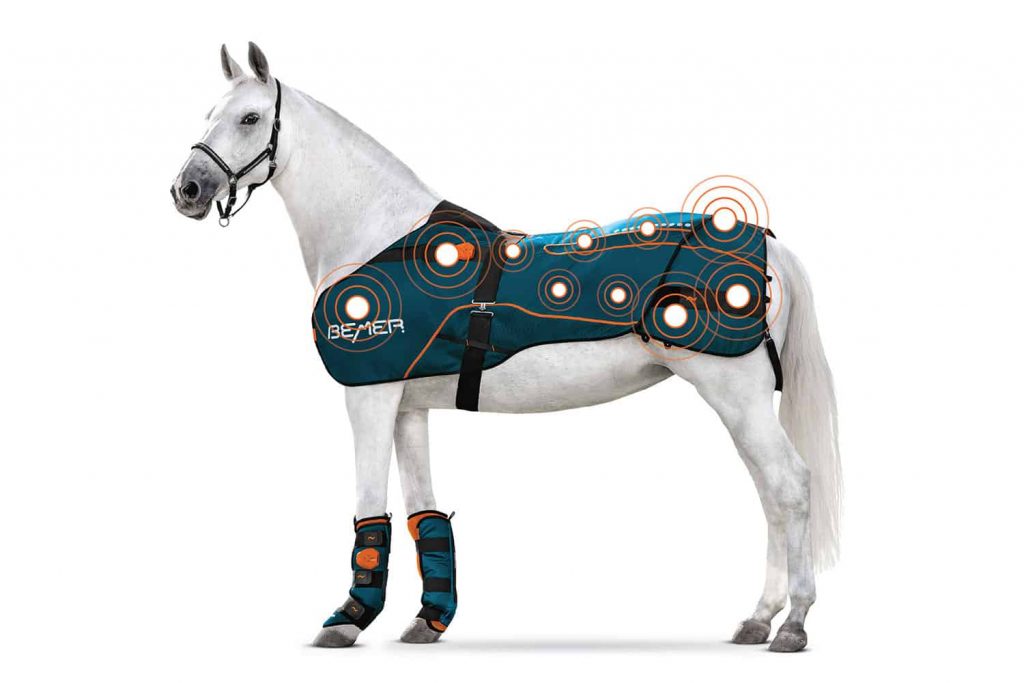
Researcher: The BEMER blanket technology provides a medication-free solution for reducing pain in the croup and saddle area.

Veterinarians might consider addressing axial skeleton adaptations when rehabbing horses with limb injuries.

Often, a horse’s behavior problems are rooted in either pain or incomplete training. Here’s what to consider.

At the 2022 BEVA Congress, Dr. Hilary Clayton described how to create a rehabilitation plan for horses recovering from back pain.

A veterinarian describes three real-life examples of horses with physical abnormalities competing successfully.

Aging mules and donkeys need to be managed just as carefully as horses. Here’s what you need to know.