Joint Disease and Cartilage Repair in Horses
Joint disease is a common lameness cause and a primary reason why many horses’ athletic careers end.

Joint disease is a common lameness cause and a primary reason why many horses’ athletic careers end.
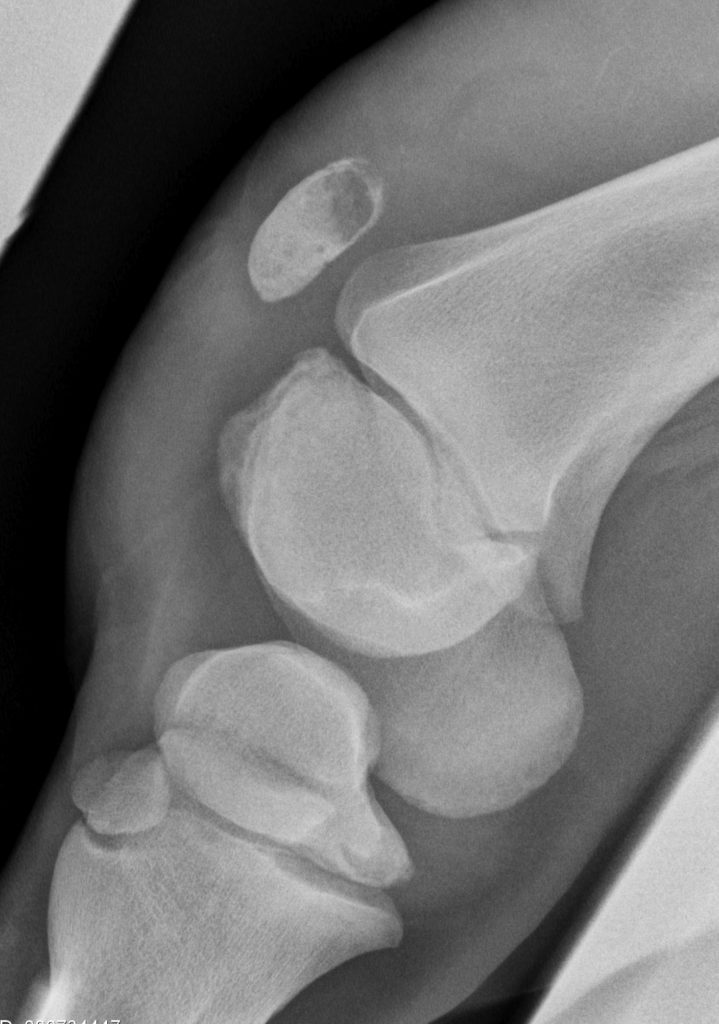
Patella infections in foals, while uncommon, can result in prolonged and severe stifle joint infection.
The study will test a novel neutriceutical for the treatment of lameness in horses due to osteoarthritis.

A green-lipped mussel-derived product could be useful for combating some signs of osteoarthritis in horses.
Cornell University researchers are examining the use of degradable pins for treating OCD lesions in horses.

We’ll explore how the horse’s body systems age and what to look out for in your equine senior citizen.
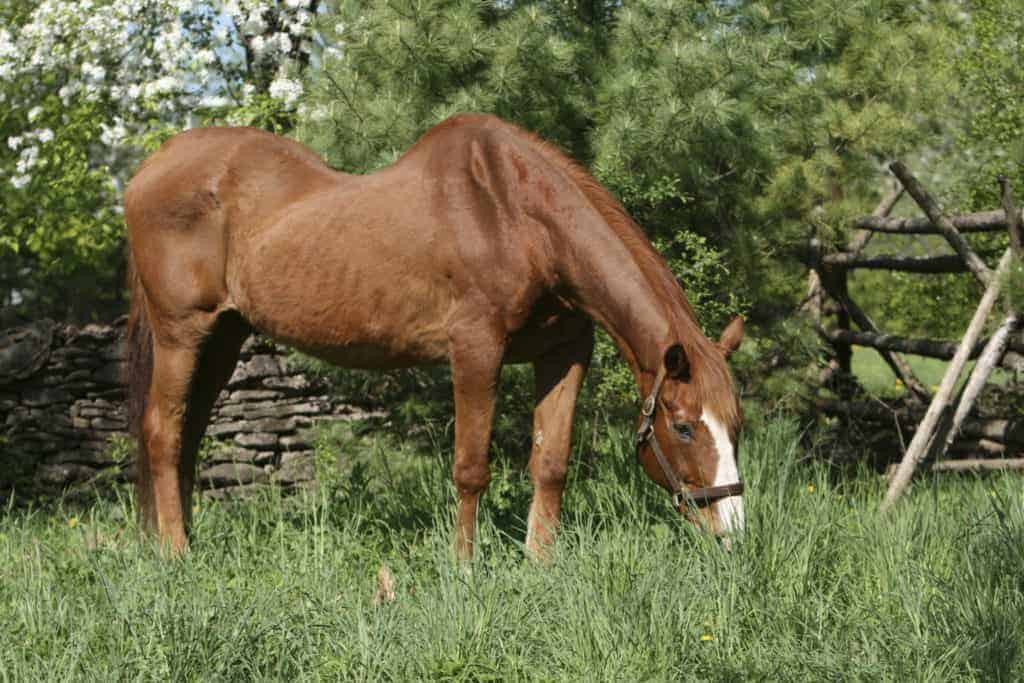
Supplements, polysulfated glycosaminoglycans, and regenerative medicines are some approaches for treating OA.

Researchers recently investigated how certain arthritic joint tissues respond to treatments such as shock wave.

Fluid caused little reaction in some horses’ stem cells but promoted or inhibited growth in others.
The Ohio State University College of Veterinary Medicine is seeking horses diagnosed with osteoarthritis to
Researchers are examining a promising genetic lab approach to curing osteoarthritis (OA) in horses.
“The Horse Owner’s Guide to Regenerative Medicine” will take place June 4 from 2:00 to 5:00 p.m., in Lexington
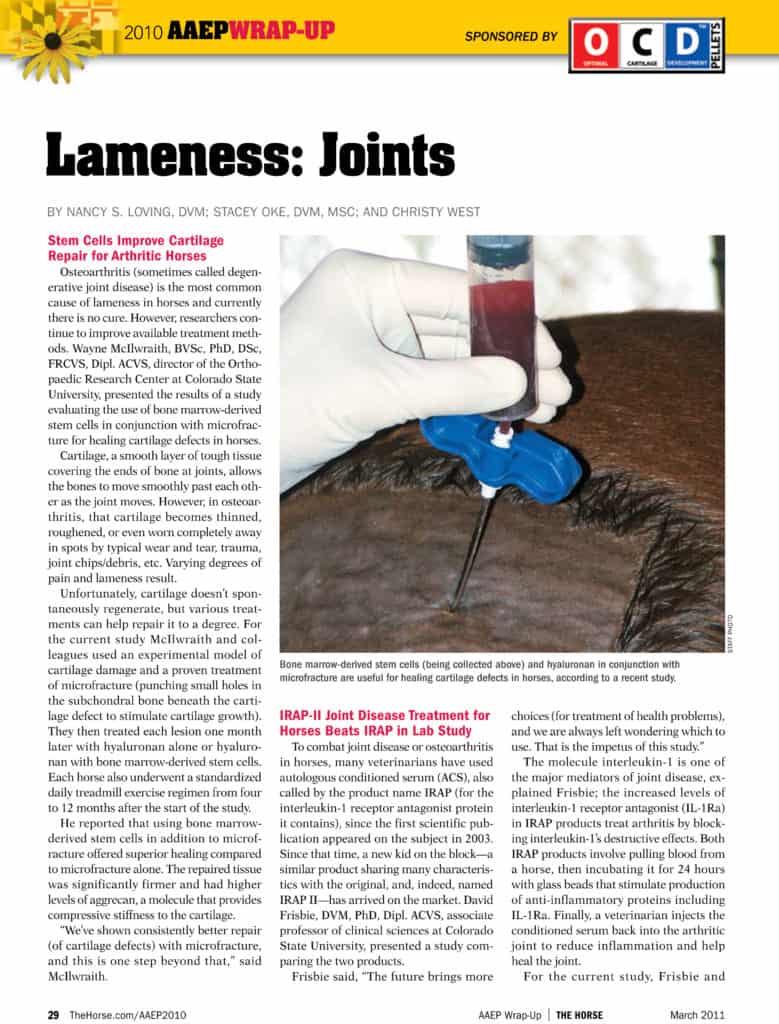
During the 2010 American Association of Equine Practitioners convention, veterinarians discussed the use of stem cells for arthritis in horses, irap vs. irapII, joint health supplements, TMJ disease, non-surgical pastern joint fusion, stifle abnormalities in cutting horses, and embryonic stem cells for tendon repair.

Equine osteoarthritis is expensive to manage, with estimated annual costs as high as $10,000-15,000 per horse to diagnose, treat, and medicate, researchers found in one study.
Any lameness can be tough for a veterinarian to treat and resolve, but pastern joint lameness caused by osteoarthritis can be especially problematic. In low-motion joints, sometimes the solution to lameness troubles is physiologic fusion (fixation of

Equine joint injections can help veterinarians diagnose lameness or medicate a horse’s painful joint.