Keeping the Walk-Trot Horse Sound and Fit
Consider the horse’s lameness history and gradually increase varied exercises to manage these mounts, one veterinarian says.

Consider the horse’s lameness history and gradually increase varied exercises to manage these mounts, one veterinarian says.

Two experts weigh in on common equine hindgut problems and how you can manage them. Sponsored by Purina Animal Nutrition.
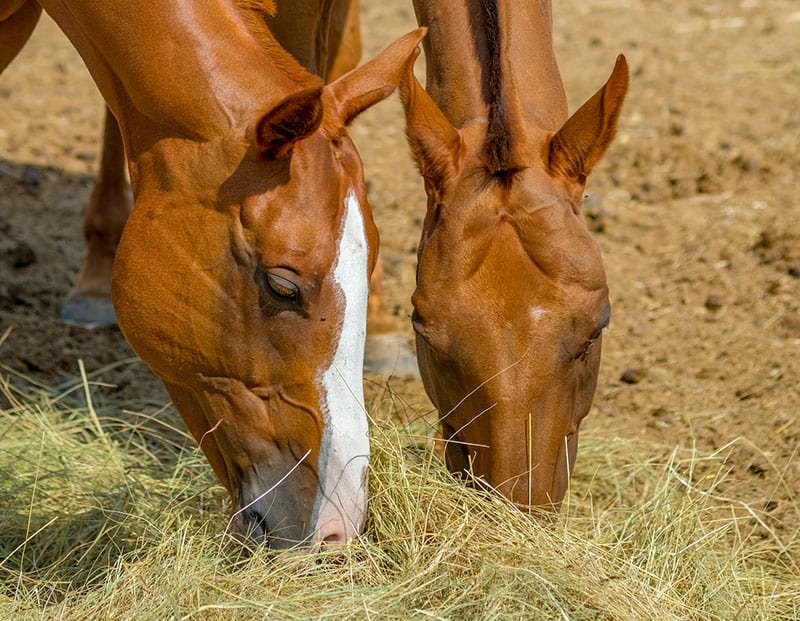
Getting back to basics and simplifying meals might be the key to keeping the horse’s hindgut healthy and functioning properly.

When does a horse need selenium supplementation, and what’s the best way to provide it? An equine nutritionist weighs in.

Non-steroidal anti-inflammatories are among the most common drugs veterinarians administer and prescribe to horses.
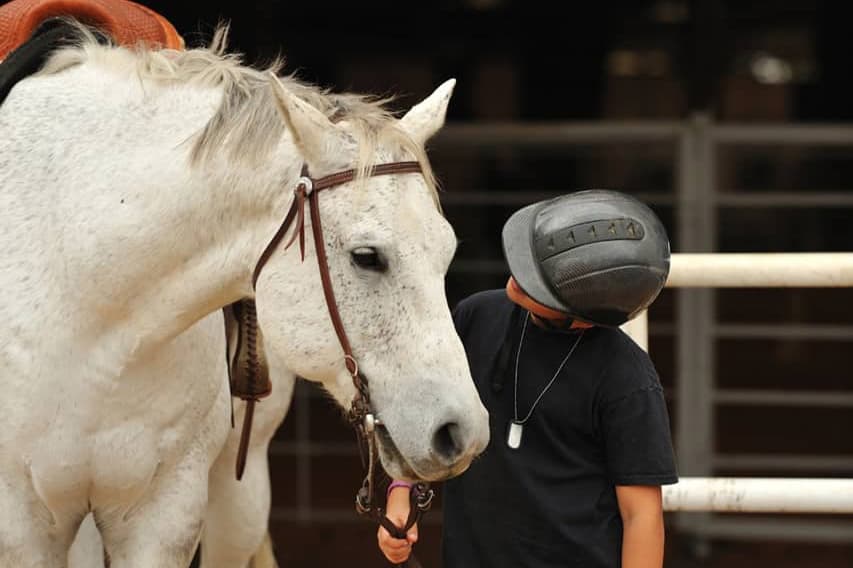
Can supplements improve a senior horse’s joint health once he has started showing signs of stiffness? One expert weighs in.
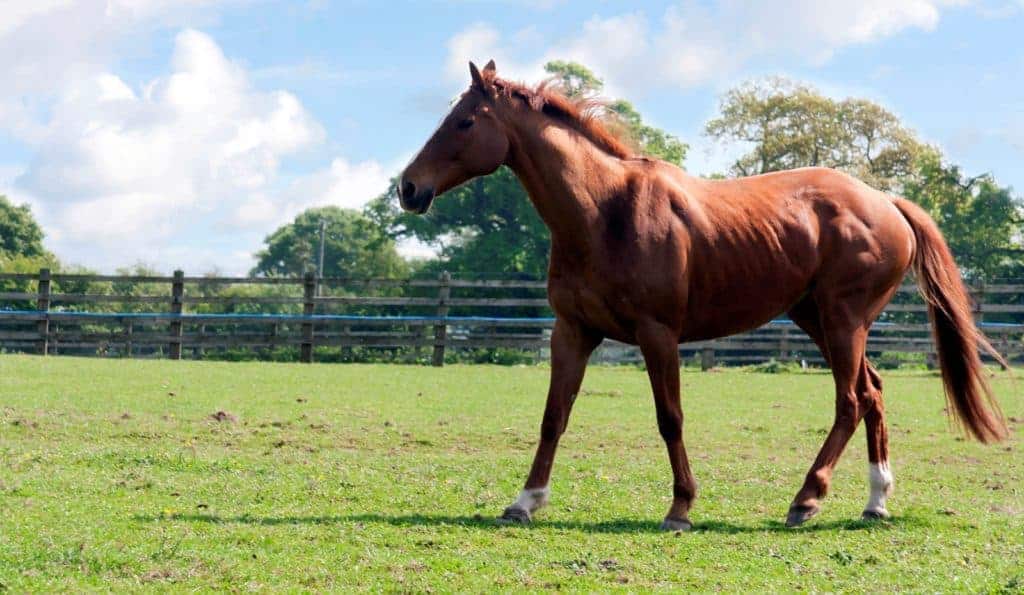
Equine osteoarthritis often develops subtly and is a common result of aging. Learn how a horse’s joints inevitably wear with age and how to keep him comfortable.

Discover the importance of giving special attention to senior horses’ joints during Senior Horse Joint Care Awareness Week, sponsored by NexHA.

Recent study results show this treatment for osteoarthritis might benefit horses in both the short and long term.

Proper nutrition can make or break joint health. Here’s what you should know.

A nutritionist answers questions about the nutritional needs of older equids, covering topics such as senior feeds, metabolic disease, and helping horses gain weight.

Here’s how veterinarians and farriers diagnose and manage this degenerative arthritic condition.

If you suspect your horse has a metabolic disease, timely and accurate diagnostic testing is essential to developing a management plan.

Two equine nutritionists answer 11 common questions about feeding horses beet pulp.

An expert reviews material showing 2.5% polyacrylamide hydrogel (PAAG) is effective, long-lasting, and safe for treating early- and late-stage equine osteoarthritis.

What should and shouldn’t horses with heaves (or equine asthma) eat? A nutritionist offers advice.