Can PPID or EMS Affect My Horse’s Joints?
Dr. Luke Bass describes the unique joint changes that might be seen in horses with PPID and EMS.

Dr. Luke Bass describes the unique joint changes that might be seen in horses with PPID and EMS.

Dr. Howland Mansfield describes signs a horse is ready to retire from riding, ranging from mild work intolerance to lameness.

Obesity could cause increased damage to your horse’s joints. Here’s why.
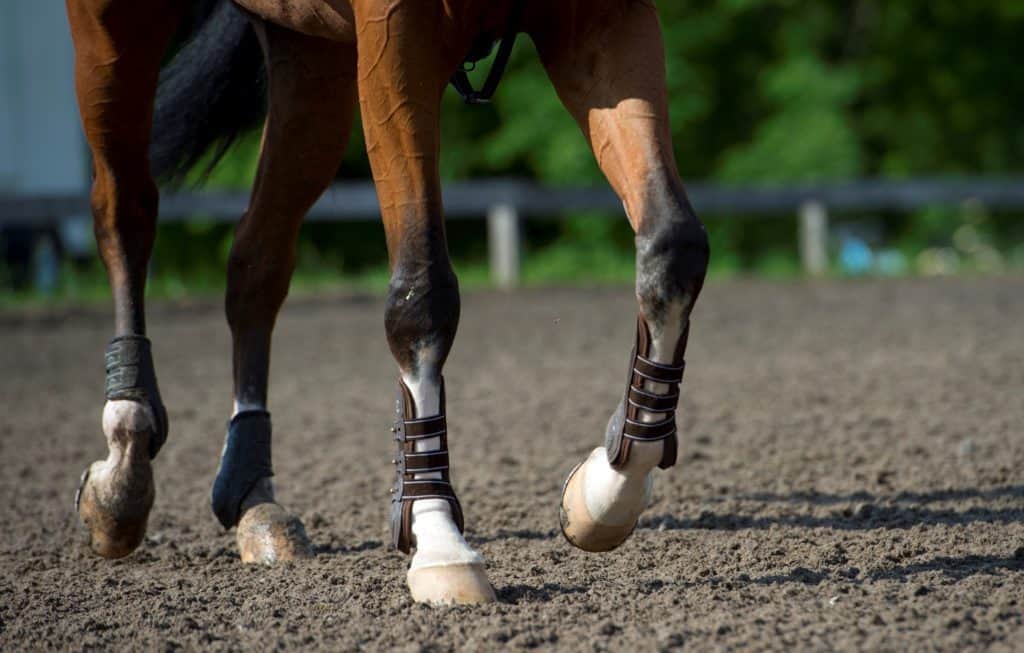
Dr. Luke Bass explains why injecting your horse’s joints too frequently might be harmful or reduce treatment efficacy.

Equine practitioners are using recent research in their day-to-day practice to diagnose PPID, EMS, and ID.

Learn how to maintain your senior horse’s joints so he stays comfortable into his later years. Sponsored by American Regent Animal Health.

Learn about feeding basics, from hydration and forage to feeds and supplements, so you can make the best nutritional choices for your horse.
Is your feed room overflowing? Get advice on streamlining equine diets when you’re feeding horses with a variety of nutritional needs.

Learn how to design a diet for horses suffering or recovering from equine odontoclastic tooth resorption and hypercementosis (EOTRH).

Poor air quality from wildfire smoke can be very dangerous for horses. An equine internal medicine specialist offers advice.

One equine nutritionist explains how you can make sure your PPID horse’s hay is safe for him to eat.

Learn how smart trimming and shoeing techniques can help arthritic horses.

With much research surrounding how to feed “abnormal” horses, how can we feed “normal” horses to avoid disease? One expert weighs in.
New study results lead researchers to believe differences in ACTH concentrations between breeds are significant to diagnostic testing for PPID.

Many factors—most importantly, season—can influence which PPID test your veterinarian performs and how he or she interprets it.

One equine nutritionist explains how to ensure your horse’s diet does not contain dangerous levels of sugar.