Interpreting Imaging of the Equine Neck
Neck pain in horses can be difficult to diagnose; clinical signs might not match what’s seen on imaging. Learn how vets interpret findings and develop a treatment plan.

Neck pain in horses can be difficult to diagnose; clinical signs might not match what’s seen on imaging. Learn how vets interpret findings and develop a treatment plan.
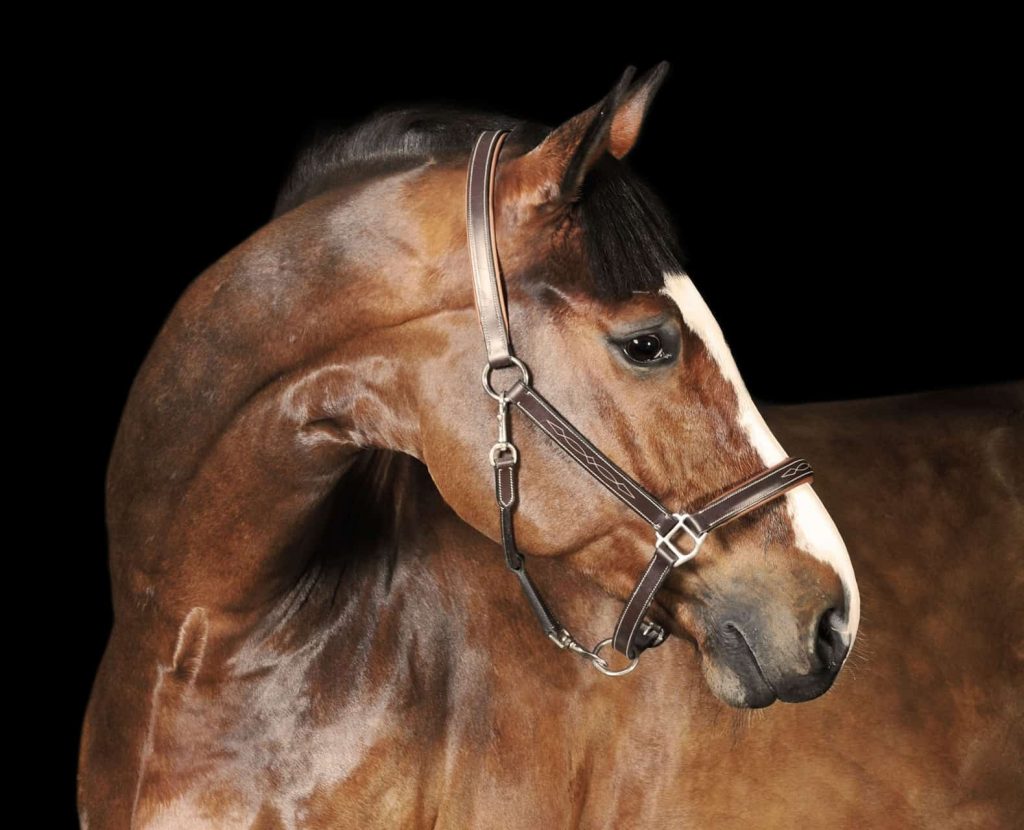
Find out how your horse can hurt his neck, risks for injury and disease, and associated therapies, so you can give your horse the best chance for a strong neck and an athletic future.

Researchers have learned more about inflammatory biomarkers and their presence in horses with inflammaging, or age-related bodywide inflammation.
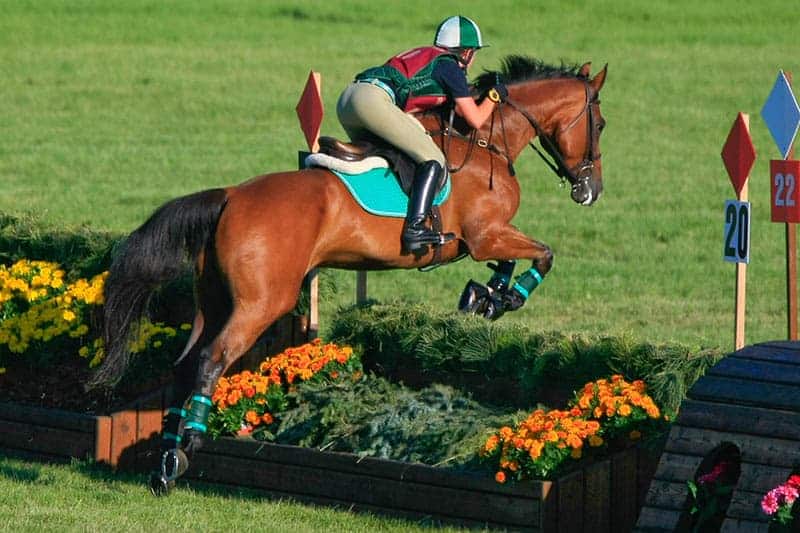
When creating a nutrition plan for horses, it is important to understand how much protein they need and which protein sources are most suitable for each individual.
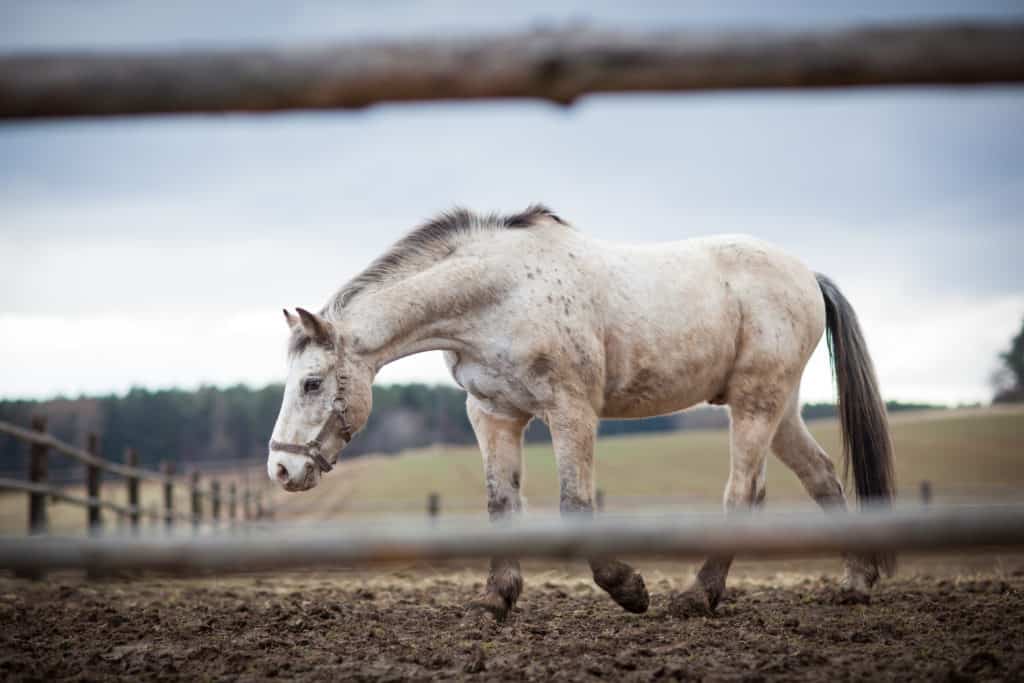
What is the most common behavior problem in aging horses? Dr. Sue McDonnell weighs in.
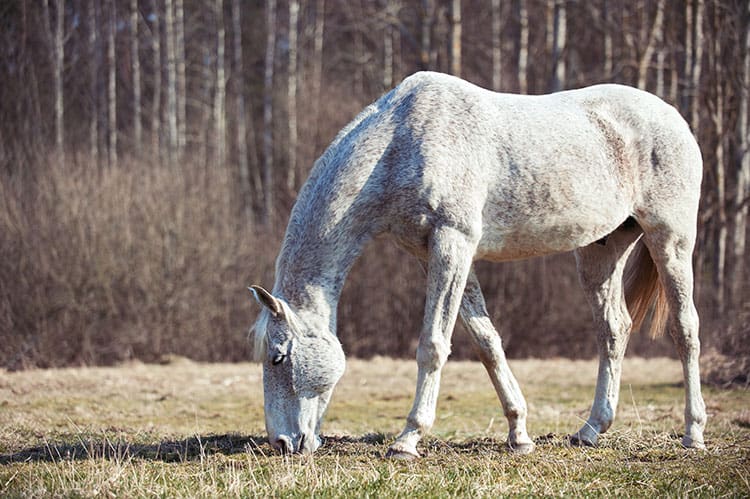
Dr. Anna Pesta-Dunaway talks about the change in nutritional needs that occurs as horses age and how to manage it if they are competing.

Can an active PPID horse have pasture access and performance feed? Our equine nutrition expert offers advice on feeding a gelding with managed PPID.

How should a senior horse with equine Cushing’s disease and equine metabolic syndrome be vaccinated?

Horses can go lame for a variety of reasons. Here are 4 common causes of lameness and their treatment options.

Recurrent airway obstruction is a medical condition, but feed changes might help your horse breathe better.

Does alfalfa cause kidney or respiratory problems or make horses hyper? Specialists shed light on these myths and more.

When used properly, this injectable can be an effective substitute for traditional joint therapies for managing horses with osteoarthritis.
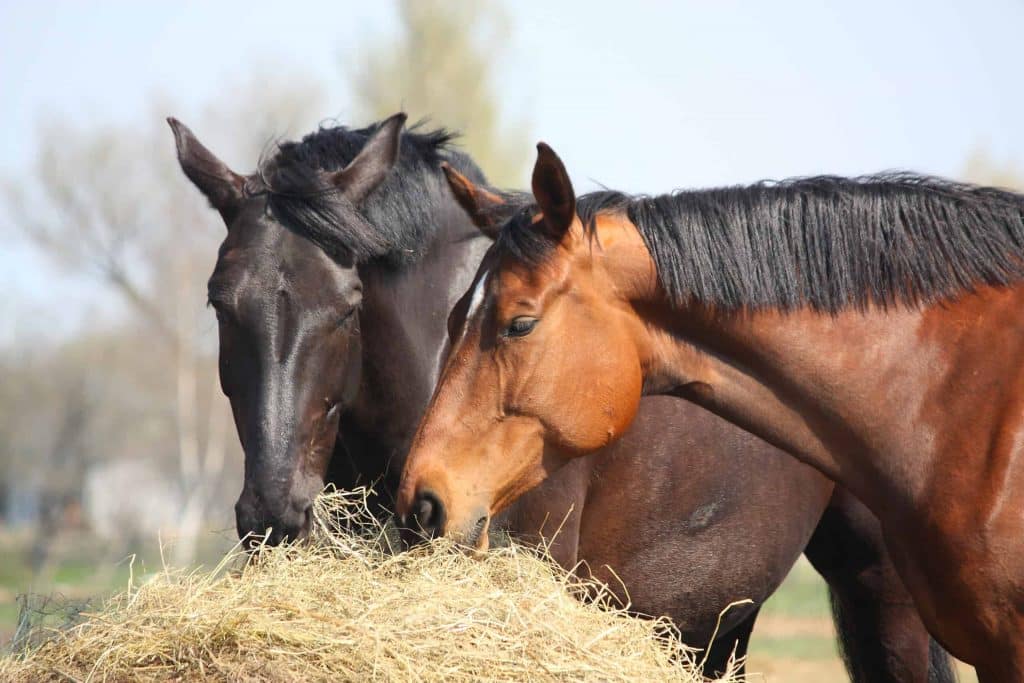
A nutritionist gives different reasons why two horses might not be consuming enough hay.

Establishing a standard glucose testing method worldwide could generate more accurate results, leading to better care and welfare of horses with PPID, or equine Cushing’s disease.
Insulin dysregulation can coincide with high ACTH concentrations in the fall, even when an animal does not have PPID.

Learn about the differences, and a few key similarities, between these two endocrine diseases.