6 Simple Spring Safeguards for Senior Horses
Ensure your senior horse or pony is prepared for a healthy and happy year ahead.

Ensure your senior horse or pony is prepared for a healthy and happy year ahead.

Here’s a look at some common pelvis problems in horses, how veterinarians diagnose them, and what treatment options are available.

While ultrasound is useful for identifying articular process joint effusion in horses, it might undervalue the amount of swelling present.
A field study of the drug showed it significantly improved lameness in horses and induced no clinically relevant adverse effects.
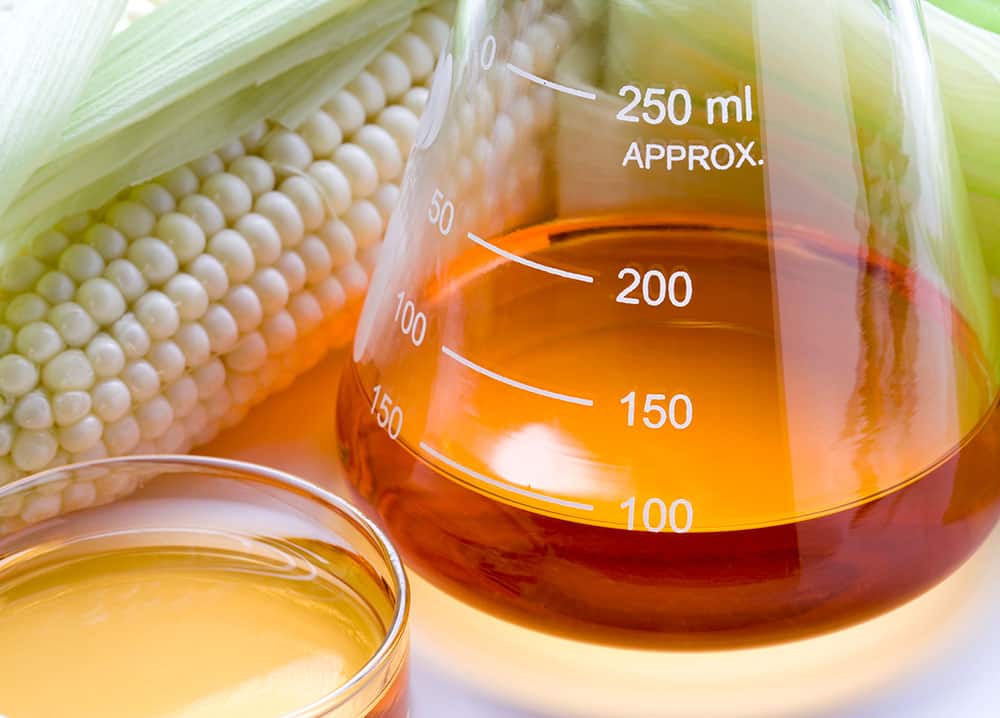
The horse’s fed vs. fasted state, dose and type of corn syrup, season, and simultaneous endocrine testing might alter the results of this insulin dysregulation testing method.

How to recognize at-risk horses and manage them appropriately to prevent severe disease.

The Type 2 diabetes drug might help horses with chronic hyperinsulinemia and laminitis that haven’t responded to management changes.

A veterinary sports medicine and rehab specialist describes what we know about orthobiologic therapies for OA in horses and their high likelihood for variable responses.

Both the stallion and mare must be in good health and fertility before you even attempt to produce a foal.

These mesenchymal stem cells might be a highly effective treatment option in horses with osteoarthritis.
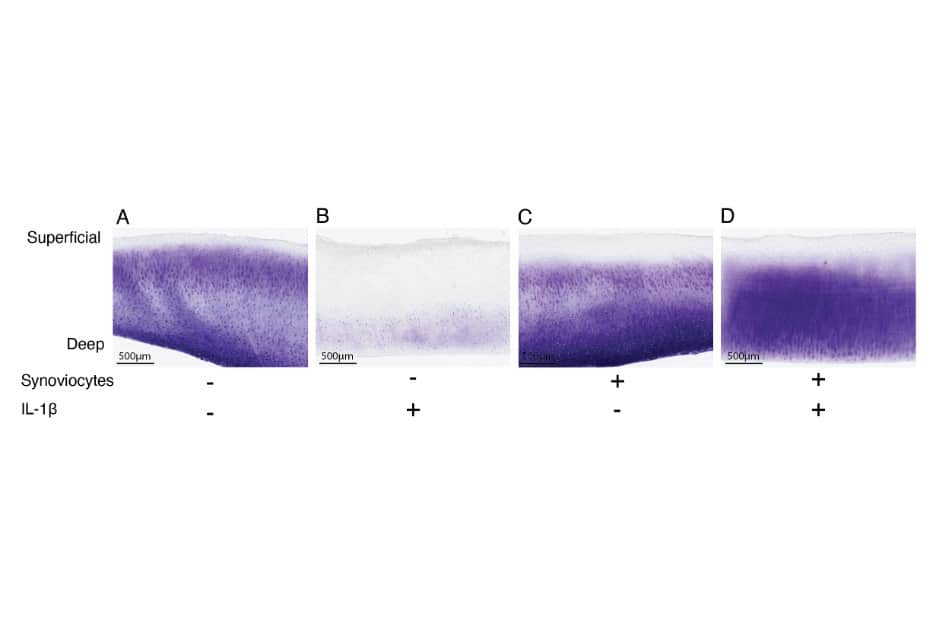
This biologic could have a protective role as a disease-modifying product for horses with osteoarthritis.
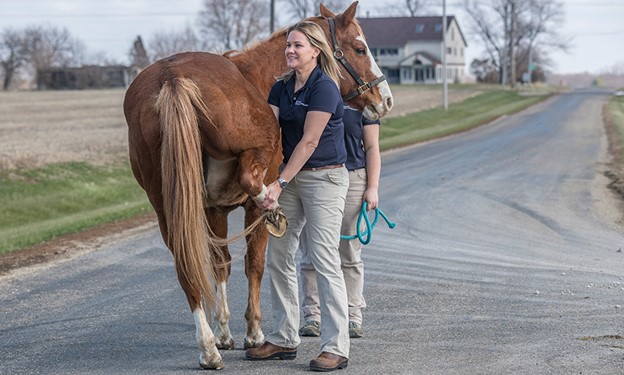
Any horse can benefit from rehabilitation during their lifetime.

Conventional and easy-to-use joint therapies such as corticosteroids and hyaluronic acid continue to have their place in equine practice.

A 13-year study showed this PPID treatment improves horses’ clinical signs and quality of life over prolonged periods.
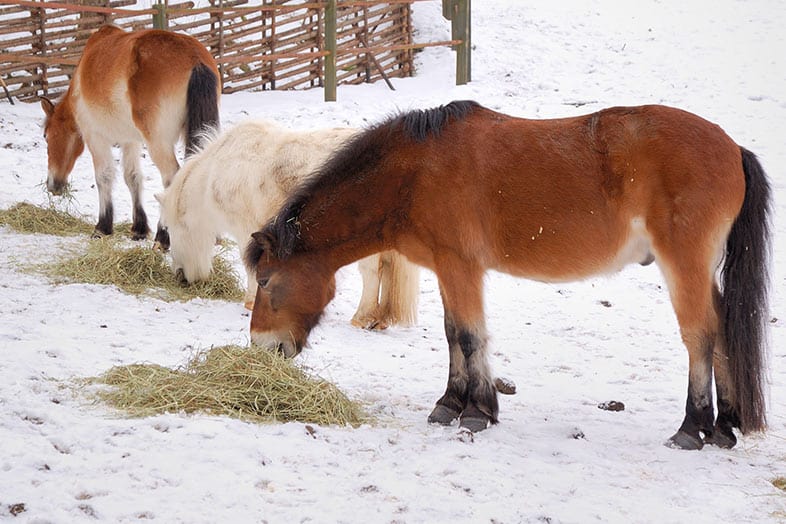
The best winter weight management practice could be consistent monitoring of your horse’s body condition.

Are you resolving to improve your horse’s nutritional status next year? An equine nutritionist shares her tips.