Equine PPID Testing Considerations
Factors to consider when making an equine Cushing’s disease diagnosis, including testing methods, time of year, and more.

Factors to consider when making an equine Cushing’s disease diagnosis, including testing methods, time of year, and more.

A veterinarian explains how to increase a horse’s weight safely.

Discover tips for managing horses with insulin resistance in the archived recording of our podcast. Sponsored by Wellness Ready.
This inflammation of the lungs most commonly affects foals, but that doesn’t mean your mature horse isn’t at risk.

Butterfly Network and The Horse: Your Guide to Equine Health Care have partnered for equine pneumonia education Sept. 4-9.

Learn about preventing and managing equine osteoarthritis in our visual guide.

Finding a boarding facility that can accommodate senior horses’ needs can be tricky, but these tips from Drs. Kelly Vineyard and Shannon Pratt-Phillips can help.

Your horse’s diet and gut health could play a role in his immune response, though age, stress, and obesity are likely bigger factors.

Typically, grass has less sugar overnight and in the early morning than during the day.

Start by analyzing what your horse is eating when evaluating whether you’re meeting his nutritional goals.

Results from a recent study in Egypt showed an association between certain horse demographics and vulnerability to West Nile virus.

Learn about feeding your senior horse in this archived recording of our podcast. Sponsored by Purina.

Veterinary authorities recommend these vaccines for all horses, every year.

For an older horse, veterinarians recommend general anesthesia with oxygen and monitoring of vital signs when undergoing surgery.
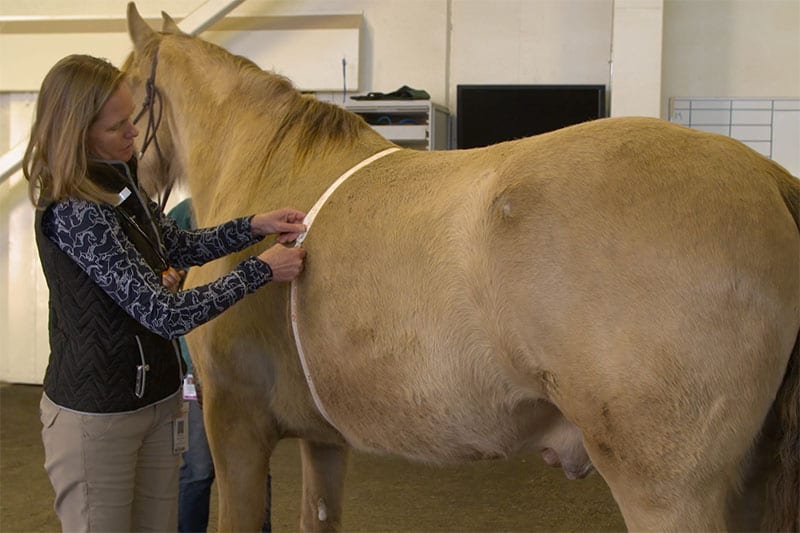
A careful approach to nutrition and exercise can help you keep your horse at an ideal weight.

Researcher: Blood sample timing is key when using TRH stimulation to help diagnose PPID.