Human-to-Horse Bonds Make Tough Decisions Tougher
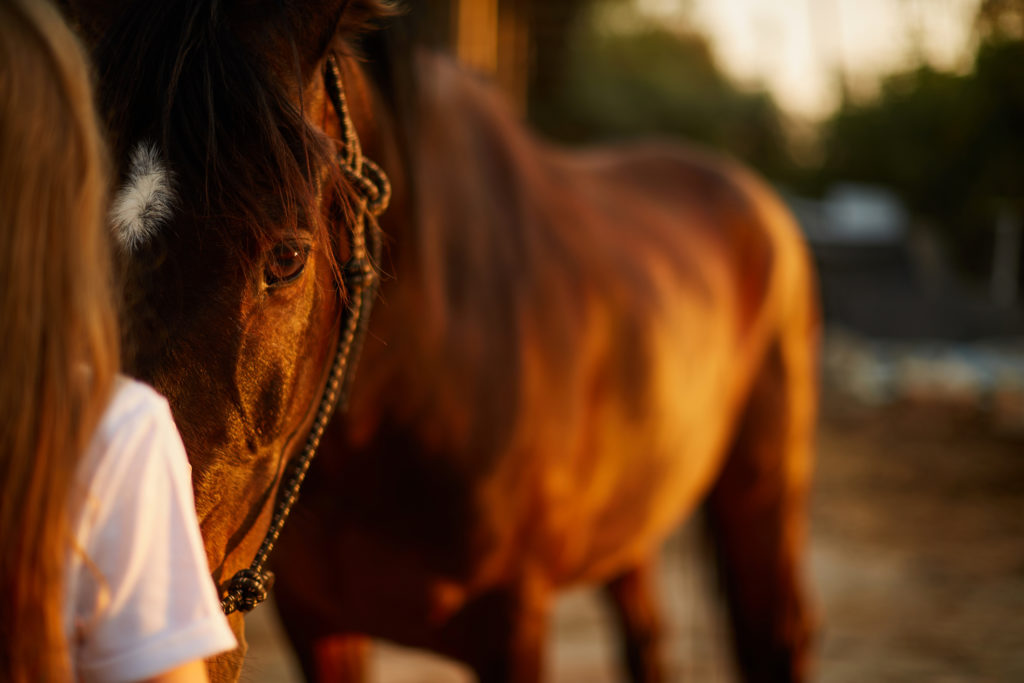
Researchers explored the bonds people have with their horses and how that affects care, ownership change, and end-of-life decisions.

Researchers explored the bonds people have with their horses and how that affects care, ownership change, and end-of-life decisions.

Learn what we know about CBD’s efficacy and potential use in horses.
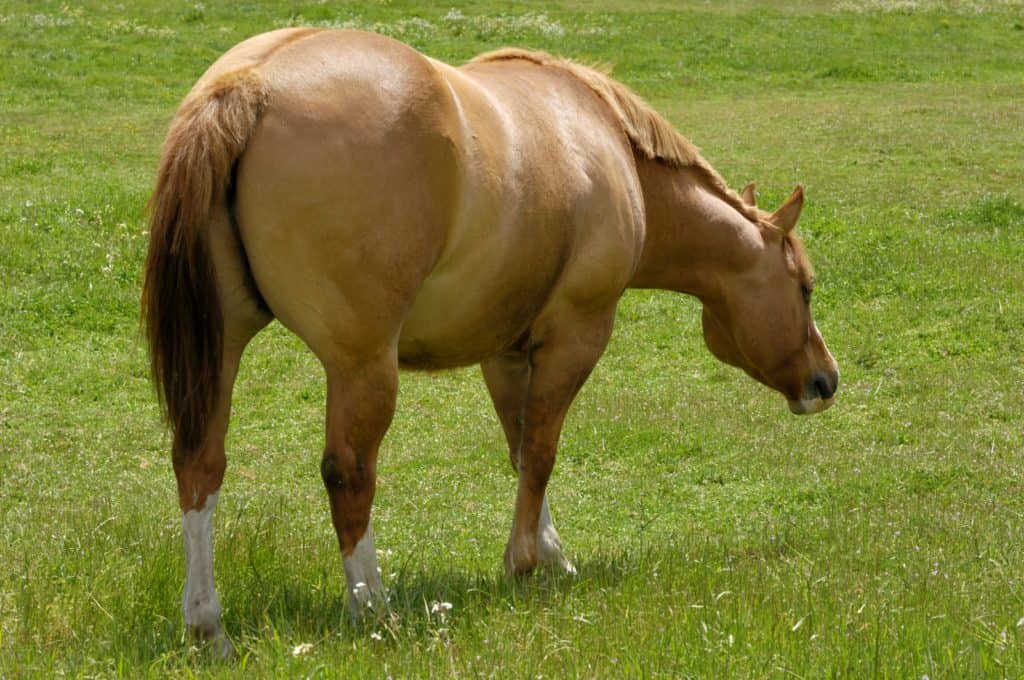
Researchers investigated the effects of aloe vera and grapeseed extract on horses’ insulinemic responses to various feeds.

Learn about current ways to manage the most common cause of lameness in equine athletes. Sponsored by NoltrexVet.

Veterinarians have warned owners of PPID horses about the predisposition they carry for laminitis. However, recent research suggests it’s not that black and white.

Dr. Marty Adams shares his thoughts on the best joint supplement ingredients for performance horses.

We asked two experts how they approach laminitis and try to keep affected horses comfortable.

Researchers described normal pituitary gland appearance on MRI. Their findings might help veterinarians identify PPID in horses and start treatment earlier.

Hormone imbalances wreak havoc on horses and their hooves. Here’s advice to help manage equine metabolic syndrome.

Research results could lead to better identification of horses likely to gray early or pass on gray-with-age genes and a clearer understanding of how the mutation affects horses’ health.

Simply adding concentrates might not solve all your senior horse’s nutritional and performance issues.

Researchers studied the effects of clodronate disodium on normal and inflamed equine cartilage in laboratory samples.

Beet pulp can go rancid during warm weather. Should you feed it to your horse if it smells like vinegar?

Get up-to-date, research-based information about early diagnosis and how to help care for your horse with Cushing’s disease.

Horses with Cushing’s have a harder time regulating their body temperature and often sport longer coats. Dr. Jeanette Mero has recommendations for keeping those horses comfortable.

Here’s a look at some common misconceptions about PPID and the truth behind them.