NSAIDs: Helpful or Harmful for Horses?
Non-steroidal anti-inflammatory drugs serve an important role in managing equine pain and inflammation, but sometimes they can do more harm than good.

Non-steroidal anti-inflammatory drugs serve an important role in managing equine pain and inflammation, but sometimes they can do more harm than good.

If you have ever dealt with an equine eye problem, you know the importance of early recognition and appropriate treatment. Here are some common conditions and how your veterinarian might manage them.

A lot of people use the words laminitis and founder interchangeably. Are these two conditions the same thing?

Is your horse approaching his retirement years? Learn how to keep your horse happy and healthy after his athletic career.

A farrier is part of a team that also includes the horse, owner, trainer, grooms, and veterinarian. This team approach is never more necessary than when a horse has an injury or disease.
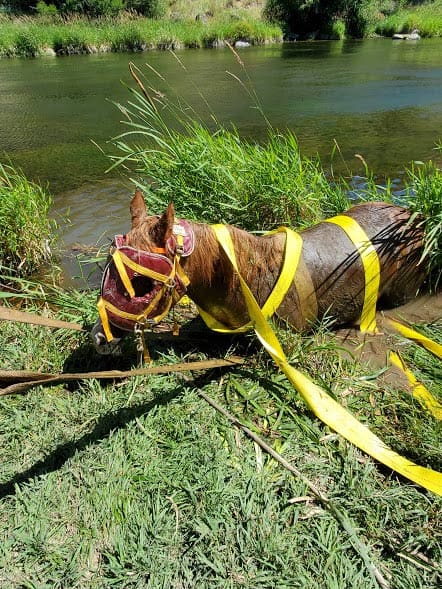
What started as a pleasant day on the trail could have turned deadly when the riverbank failed as riders watered their horses. Thankfully, the area has a team of trained responders. This is how they helped.

A horse in Arizona is low-energy and losing weight in the summer heat. Find out what might help.

Study: This corticosteroid was effective for treating horses with asthma and produced fewer side effects than current options.

U.K. researchers ranked welfare issues affecting the larger equine population as well as individual horses. This is what they found.

Though it can, rarely, resolve on its own, airway noise always merits investigation. Learn about the three most common noise-making pathologies and how they’re treated.

Dr. Laurie Lawrence, from the University of Kentucky, describes ways to make sure your older horse is getting enough forage.

Dr. Stephen Duren outlines the best forage for free feeding horses with insulin resistance that might be susceptible to laminitis.

Proper hoof care, diet, and environment are key to curbing this aggressive fungal infection.

If ECoV tests are positive and a horse is showing classic clinical signs of the disease, including colitis, fever, and lethargy, vets can safely assume he has equine coronavirus disease without further testing.

Your horse’s health status might call for a low-starch diet. Learn which conditions benefit from low starch levels and how to make the change.

Your laminitis survivor’s true prognosis depends on how you manage him after the worst is over.