5 Facts About Flax
Flaxseed is quickly becoming a popular nutritional supplement for horses. But what exactly is this grain and how does it benefit the horse? Here’s wha to know about flaxseed.

Flaxseed is quickly becoming a popular nutritional supplement for horses. But what exactly is this grain and how does it benefit the horse? Here’s wha to know about flaxseed.

Summer is a great time to get out and enjoy your horse, but the season also comes with management challenges. In this prerecorded Q&A, we’ll answer your hot weather health questions about riding, bathing, hydration, and transportation. You’ll also learn the signs of heat exhaustion and how to protect your horse.

Out-of-control critters can pass along pathogens, damage property and structures, and create unhygienic messes. Find out how to deter unwanted visitors such as birds, raccoons, skunks, and other rodents on your horse farm.
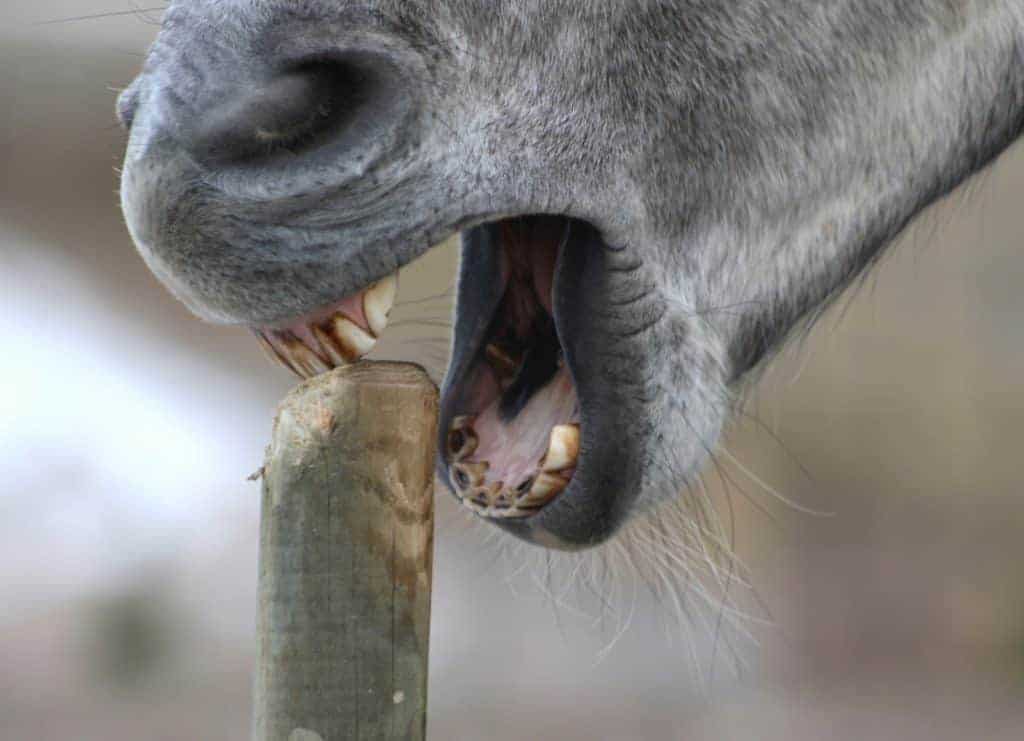
A reader’s 17-year-old horse started trying to crib recently, which she’s never seen him do before. Why would he start now? An equine behaviorist offers insight.
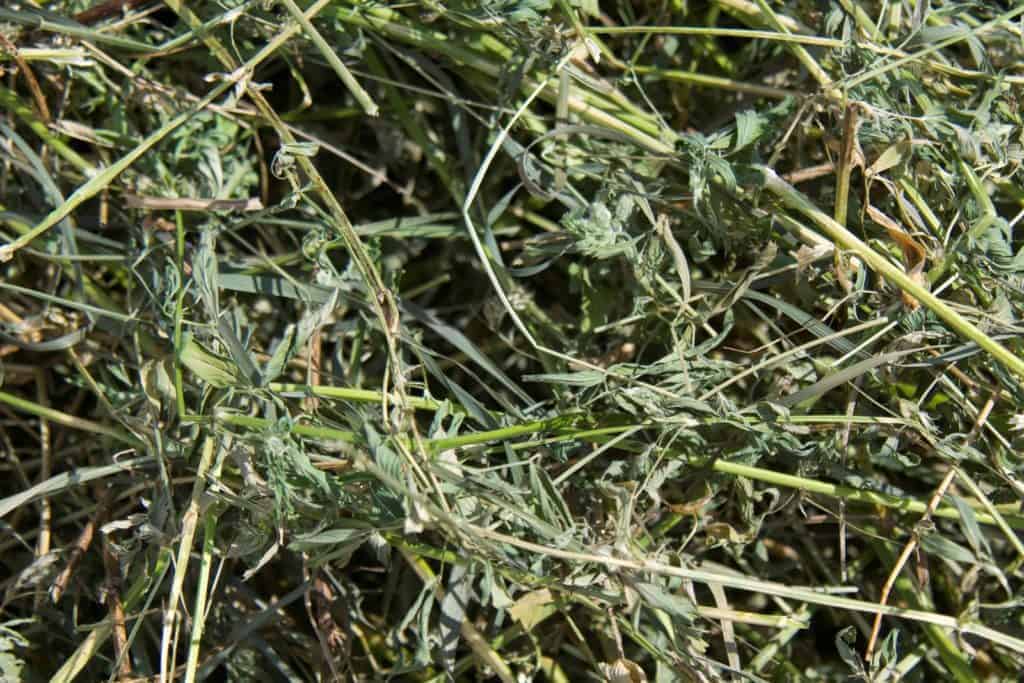
Is it okay to feed a growing 3-year-old horse alfalfa hay? An equine nutritionist weighs in.

Careful dietary consideration can help make an OTTB’s transition from racehorse to pleasure or sport horse easier on his digestive system.

Don’t learn the hard way or wait for another outbreak to make disease risk reduction a priority on your farm. Do it now. Your horse’s life might depend upon it.

Researchers know that transport can affect horses’ immune systems, making them more susceptible to developing disease. But recent study results suggest it could also make horses more likely to spread disease.

Introduce horses systematically to bikes, hikers, backpackers, strollers, and ATVs to reduce spooking on the trail.

Renowned veterinarians talk catastrophic injury prevention, uniform medication policies, and more in a Translational Medicine Institute video.

The role of a behavior-related gene might explain why some Thoroughbreds start race careers while others don’t, researchers say.

Dr. Erika Machtinger gives an overview of how stable flies are different than houseflies and offers strategies for a (nearly) fly-free barn.

Find out what characteristics might attract more flies than others in horses from Dr. Erika Machtinger.

Researchers say the mutation responsible for the sometimes-fatal muscle condition immune-mediated myositis (or IMM) is just as common, if not more so, than at least two other well-known genetic diseases in Quarter Horses: HERDA and HYPP.

Use our free adult horse weight calculator to estimate your horse’s weight using body length and heart girth measurements.

Dr. Erika Machtinger offers help for owners looking for the right fly spray to protect their horses.