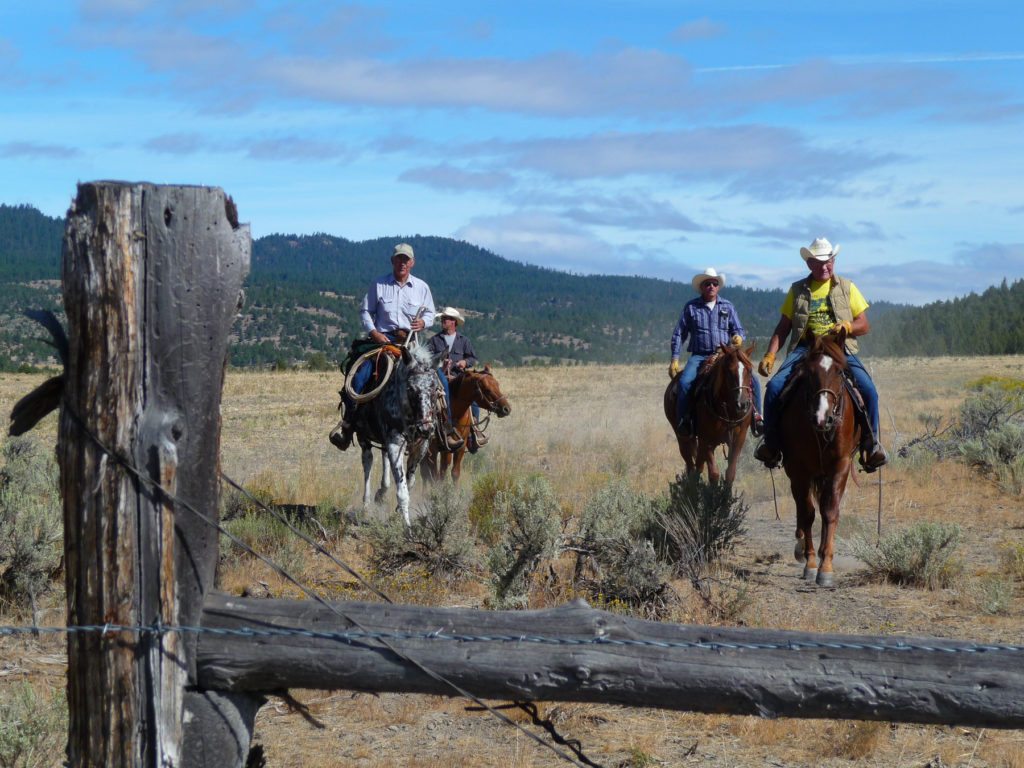
Horse Camping 101: Vacations With Accommodations
June is National Camping Month! Here are some tips on finding vacation spots that offer accommodations for both you and your horse.

June is National Camping Month! Here are some tips on finding vacation spots that offer accommodations for both you and your horse.
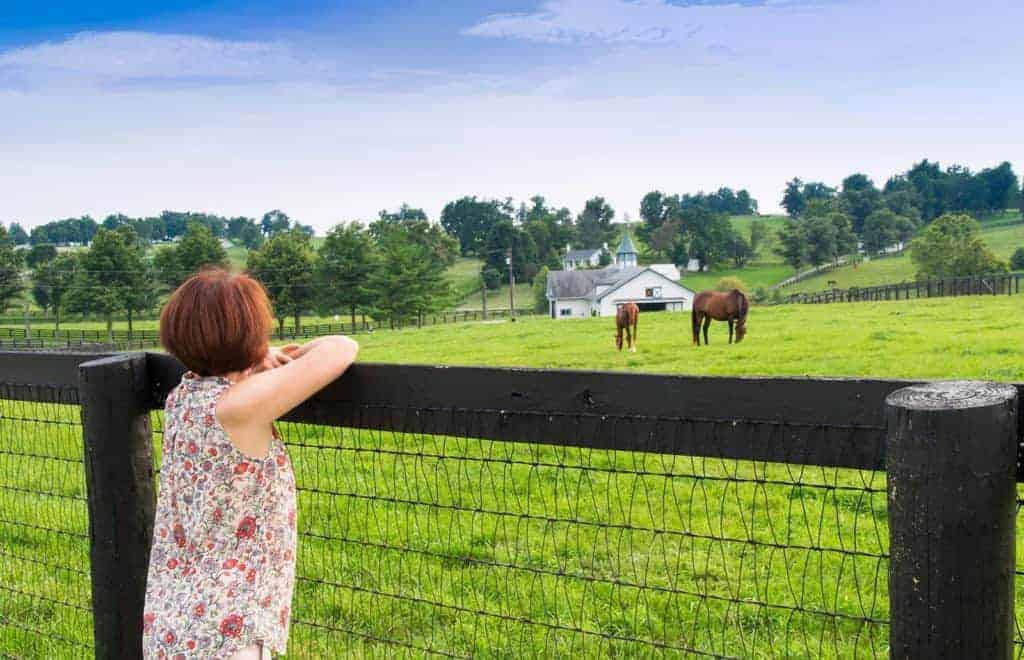
How can watching horses interact in a herd help improve my relationship with my horse?

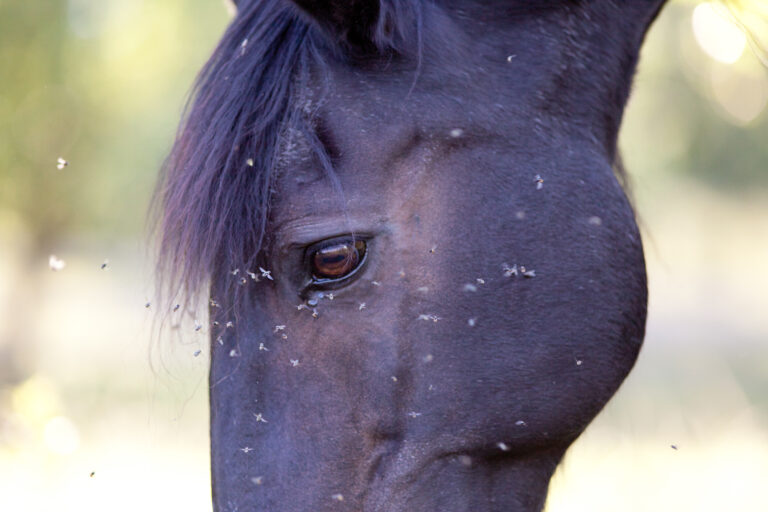
Work with your veterinarian to ward off this potentially deadly mosquito-borne disease.

South Carolina had one of the lowest incidences of EEE in the Southeastern U.S. in 2018, and animal health officials hope owners will keep horses’ vaccines current to maintain those low case numbers.

By analyzing “wither drop,” researchers found that some horses tend to drop their withers lower when bringing one foreleg forward than the other. Here’s what that means for equestrians.

A U.S. Equestrian Team veterinarian who has overseen the shipping of horses to six Olympic Games shares what steps to take before, during, and after a long-distance trailer ride.

The CHRB recommended suspending the final days of Santa Anita’s race meet, which ends June 23. However, a statement from the track’s operators and two California Thoroughbred industry groups said racing will continue.

Transition to targeted deworming without a hitch with these free resources.

One study presented at the 2019 Equine Science Society Symposium found the answer. Also learn about how vibration plates really affect horses, if GPS accurately measures horse speed, and more.

Research suggests that bisphosphonates can effectively help control clinical signs associated with navicular syndrome in horses, but there’s less research on off-label use. Here’s what to know.

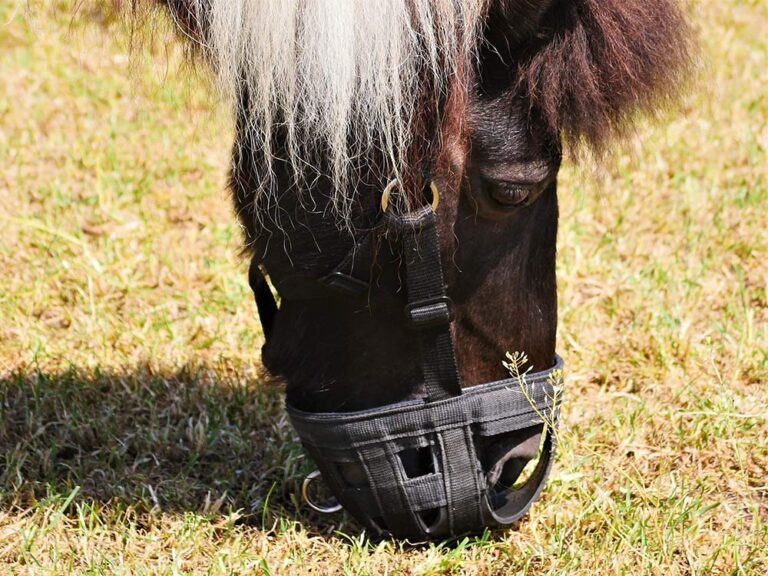
Read about research into increasing the time horses spend eating (a good thing) without feeding them too much (a bad thing), along with more take-homes from the 2019 Equine Science Society Symposium.
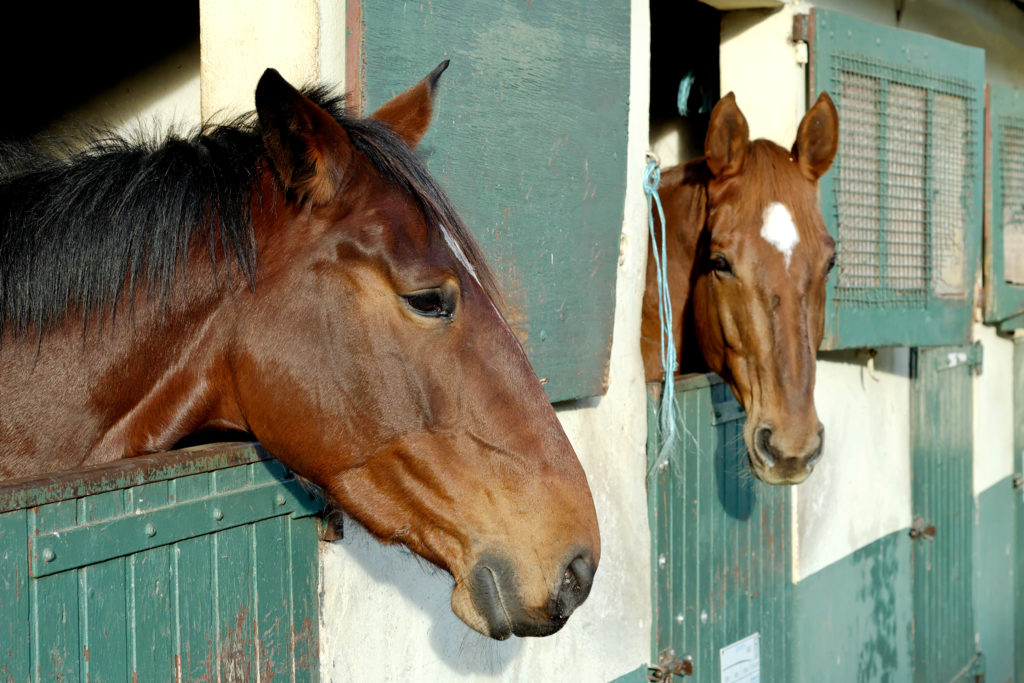
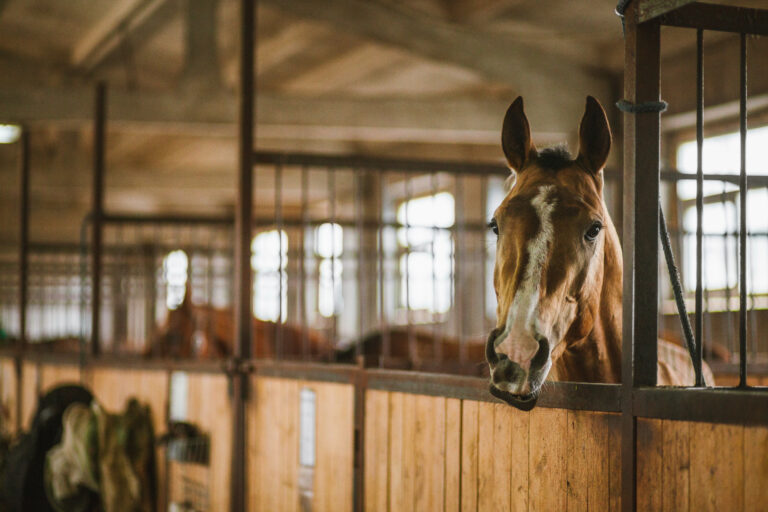
Has any research been done regarding what horses might like and dislike about their homes?

Researchers successfully tested a drug- and hormone-free approach for suppressing estrus in mares they say is safe, easy, and doesn’t affect future fertility.

Surgeon Dr. Anthony Blikslager shares his perspective on preventing horse colic.

There’s no getting around it: Horses—especially those expected to perform at a high level—are risky purchases. But a thorough prepurchase exam can help give you confidence that you’re making the right investment for your scenario. Here’s what practitioners look for during prepurchase exams for upper-level sport horses.
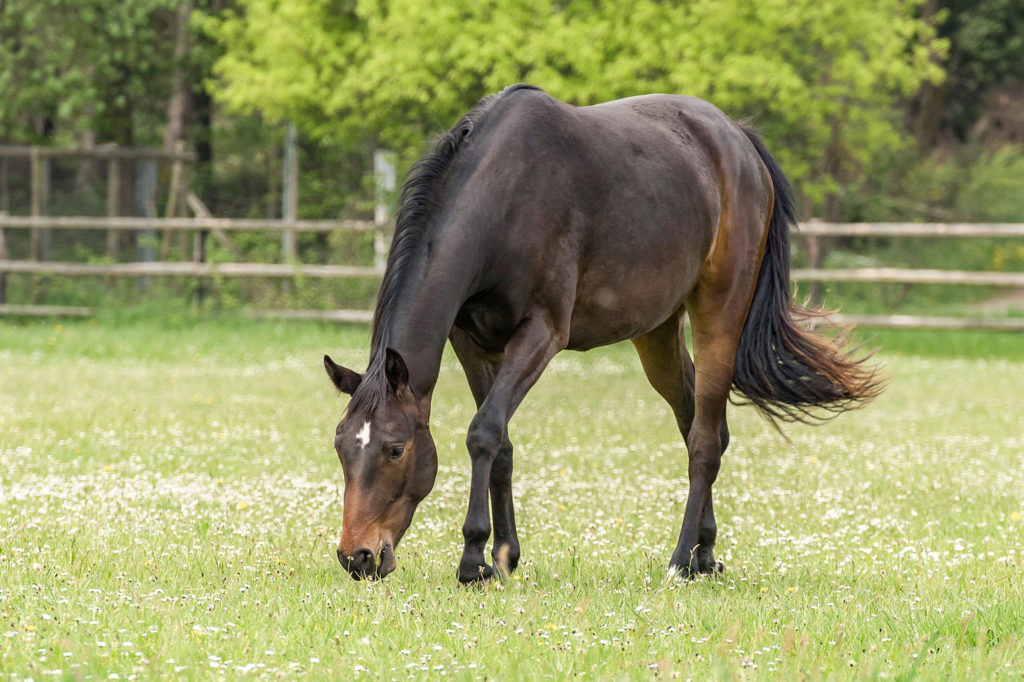
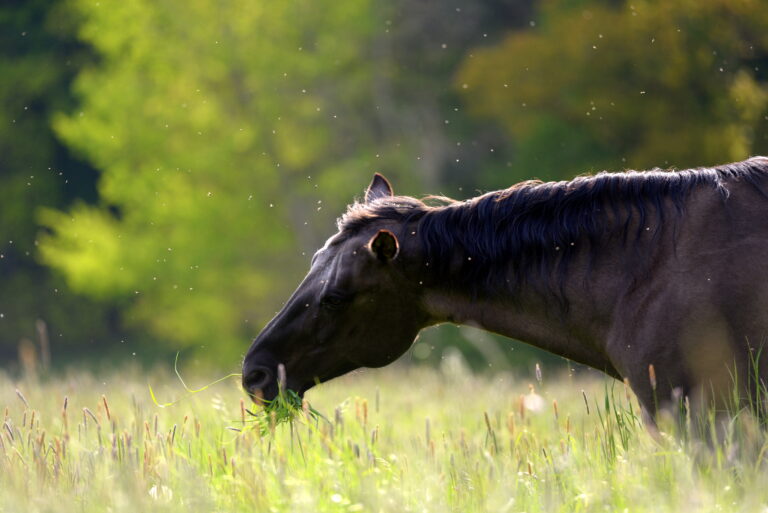
Horses with grassy turnouts graze all day, so they don’t need extra forage when they’re stalled at night, right? Not so fast, our nutritionist says. Here’s why.