Chemotherapy Helps Horses With Lymphoma
Chemotherapy can help horses with lymphoma achieve remission and extend their lifespans for several months or years, researchers learned.

Chemotherapy can help horses with lymphoma achieve remission and extend their lifespans for several months or years, researchers learned.

Managing horses with PPID is an ongoing commitment and requires careful veterinary observation. By monitoring both clinical signs and endocrine values, many affected horses can return to athletic function and/or maintain a good quality of life.

Many factors affect your horse’s ability to mount an effective immune response, one of which is his age. Learn more about the horse’s immune system and how it functions at every stage of his life.

Take a look at how adding studs to horseshoes can help horses navigate less-than-ideal footing.

Researchers now have a model that allows them to evaluate all possible parasite control strategies.

Moving north for the summer or south for the winter with horses can make feeding them a consistent diet challenging. An equine nutritionist offers tips to ease the transition.

Dietary restriction plus a low-intensity exercise program helped improve overweight horses’ insulin sensitivities, which could help reduce their risk of developing laminitis.

A genetic study of Norwegian-Swedish Coldblooded Trotter harness racehorses revealed eight major genes likely related to their success on the track, some of which drive the horses’ abilities to learn and remember.

Researchers said evaluating castration complications allowed them to arrive at a benchmark to which other equine practitioners can audit their individual and practice performances, possibly leading to even safer gelding procedures.

Learn about the common signs your horse might show when under stress and ways to mitigate the possible causes.

Beginning Jan. 1, 2020, 2-year-olds would be prohibited from receiving furosemide within 24 hours of a race at coalition tracks. Beginning in 2021, the same prohibition would extend to all horses participating in any stakes race.

As mosquito season approaches, animal health officials are encouraging horse owners to have their animals vaccinated against EEE and WNV.
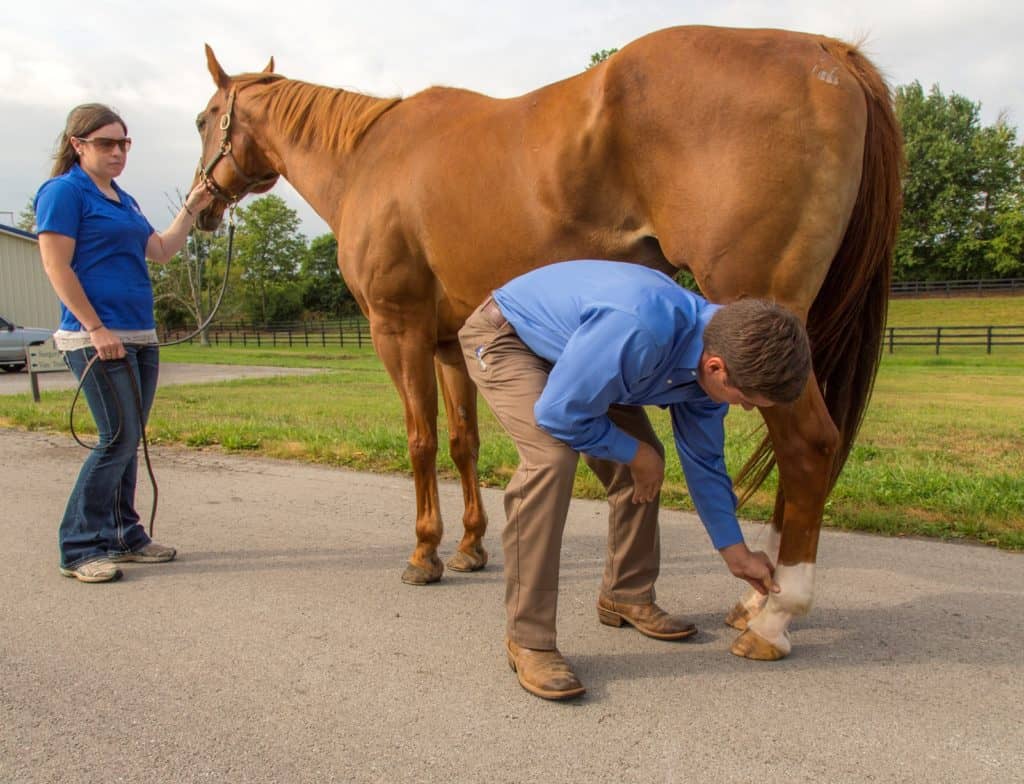
What’s the best way to handle a horse so he remains calm and well-behaved during vet and farrier visits?
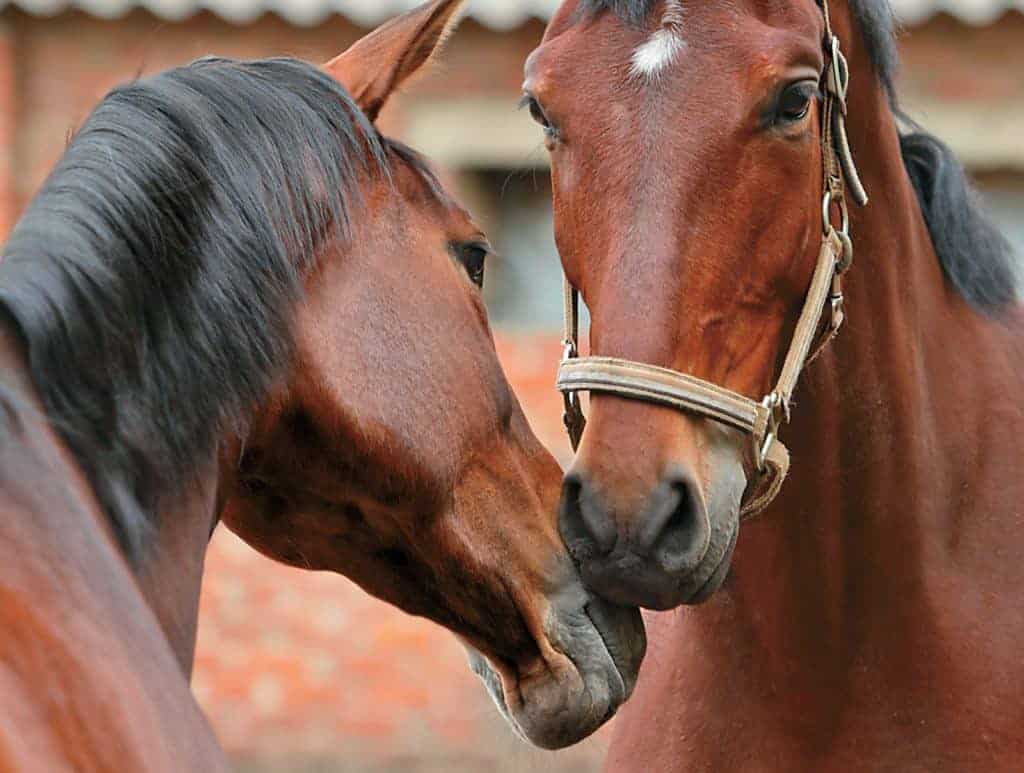
The ongoing Equine Respiratory Biosurveillance Program revealed new information on infectious respiratory disease threats, including EHV-1 and EHV-4, influenza, S. equi, equine rhinitis A/B viruses, and more. Here’s what you should know.
Don’t let dreary weather keep you away from the barn! Here are 10 things you can do for your horse on a rainy day.
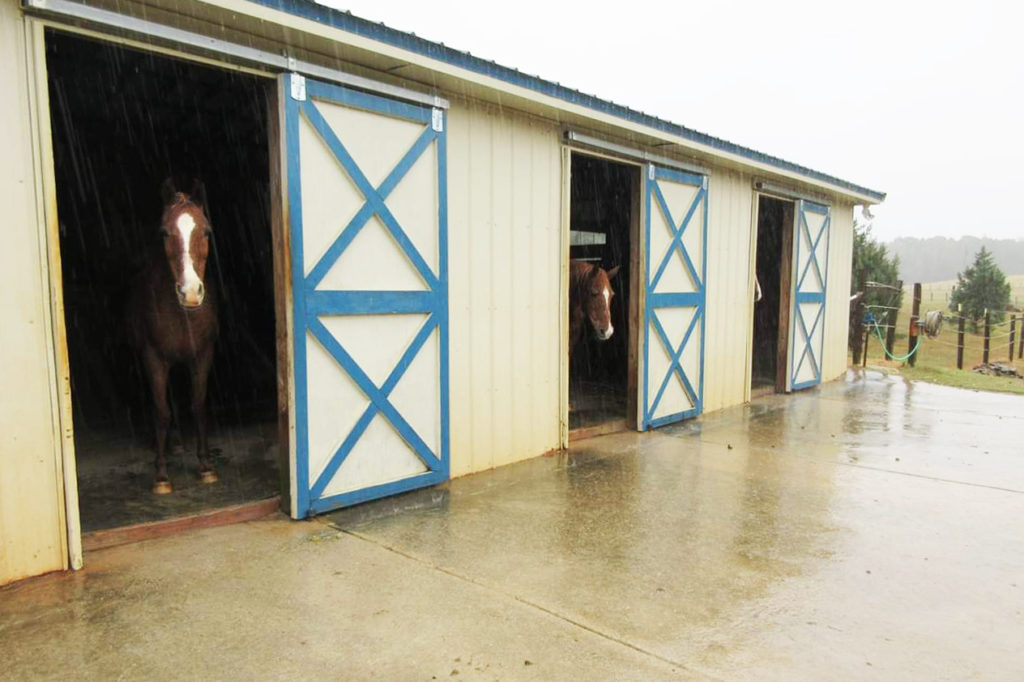
Identifying risks and reducing and mitigating a disaster’s effects start with a well-written, all-hazards plan for sheltering in place and/or evacuating. Here are some keys to remember.