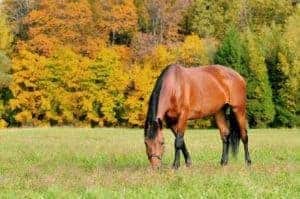
How to Protect Your Horse From Equine Influenza
Equine influenza virus activity has increased in the U.S. and Europe recently. Here’s what you can do to protect your horse.

Equine influenza virus activity has increased in the U.S. and Europe recently. Here’s what you can do to protect your horse.

An independent equine nutritionist answers horse owner questions on forage, feed concentrates, fats, supplements, and more.

Learn how to modify an overzealous carrot stretcher’s behavior.

Reported diseases included African horse sickness, atypical myopathy, contagious equine metritis, salmonellosis, and more.

Experts share information about the steps needed to identify PSSM, how to distinguish between the types, and recommendations for managing affected horses.

Horses and ponies that gain weight are more than twice as likely to develop laminitis than if they lose or maintain their weight, a recently published study revealed.

When riding your horse in the woods or the wilderness, things can go wrong–and usually when least expected. Here are some possible predicaments you might face while out on the trail.

Is it cause for concern if a horse lies down frequently?
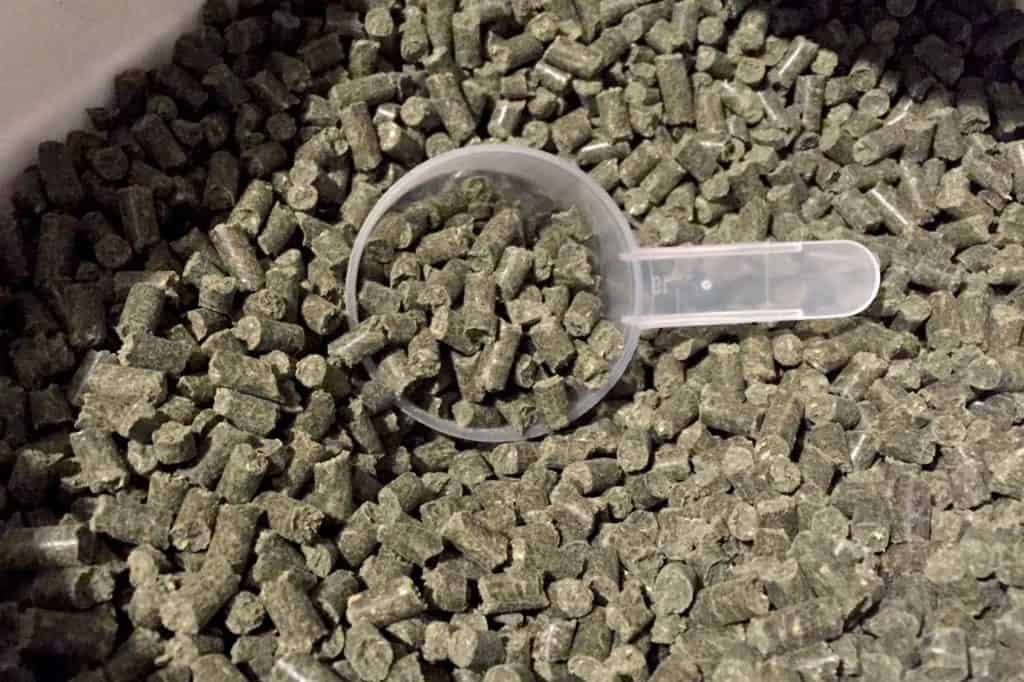
Combination supplements claiming to support joints, gut health, coat quality, and more might make feeding time easier, but do they work?
Appropriate use of vaccination and implementing biosecurity measures are critical to protecting the horse industry from outbreaks of highly contagious viruses, including equine influenza.

In any discipline, cross-training in the key to keeping a horse’s neck and back healthy, says Dr. Kevin Haussler of Colorado State University.
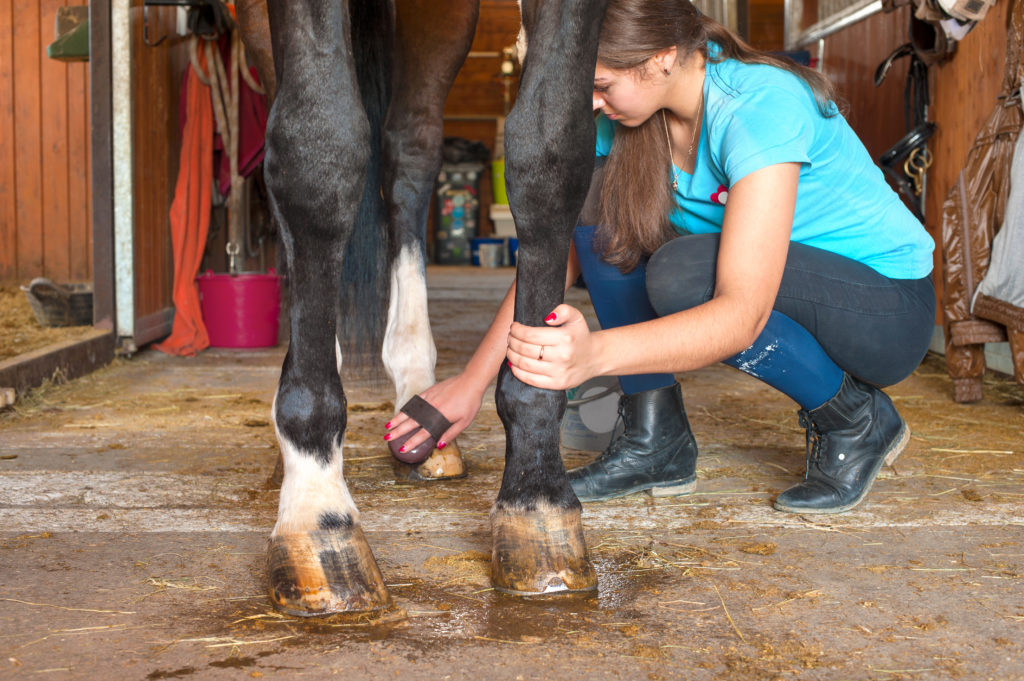
Boarding your horse at a communal barn can be both fun and stressful. Here are some tips on how to make the most of boarding from one owner with decades of experience.

Researchers confirmed that a technique called acoustic myography could be useful for evaluating suspensory ligament function, which could mean more straightforward diagnoses, treatment recommendations, and monitoring of these injuries as they heal.

Horses can experience back pain during flexion and bending through the body, which can lead to resistance in the canter. Dr. Kevin Haussler of Colorado State University explains.

Stay safe when you’re on the road with your horse with these tips for trailering and working around a rig.

How do you deal with negative trailer behaviors such as kicking and pawing while on the road? An equine behavior expert shares advice.