Feeding the Finicky Horse
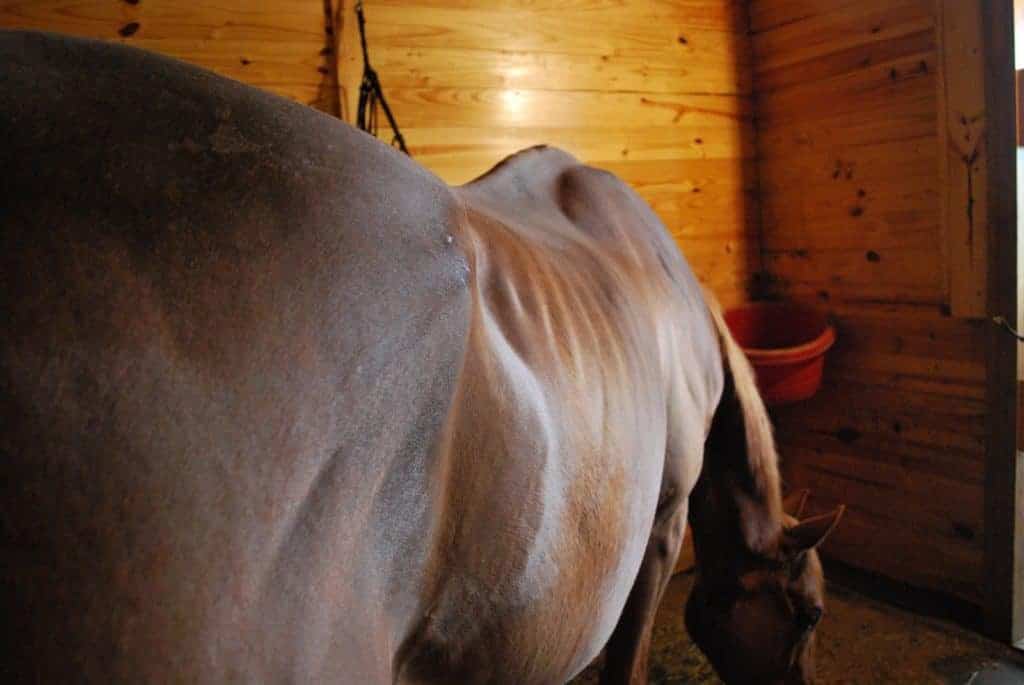
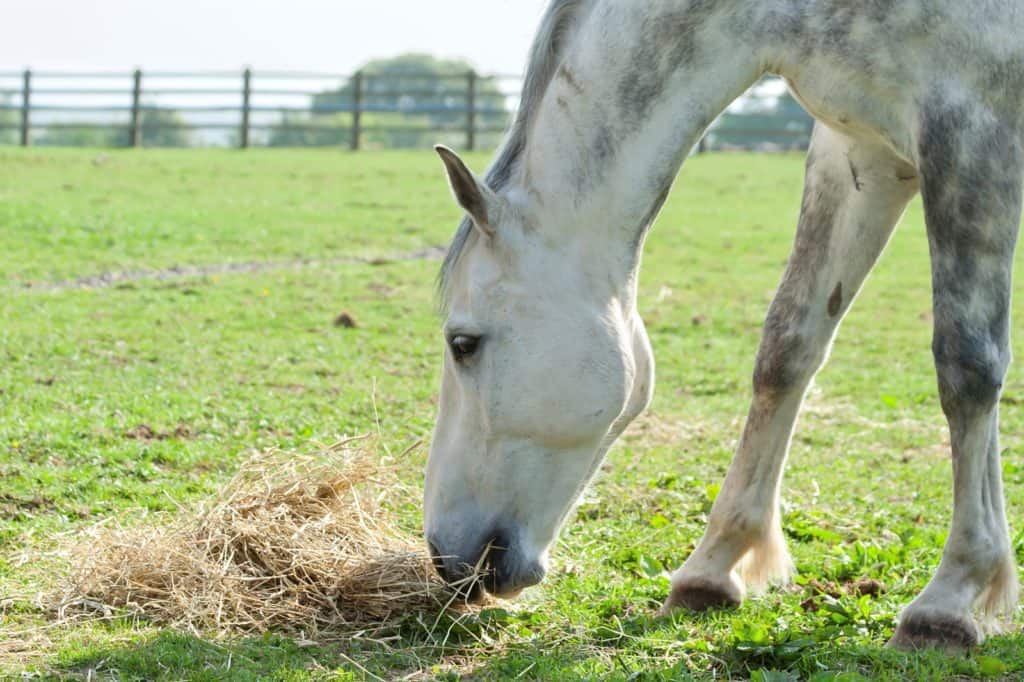
Health conditions, management changes, and palate preferences can affect a horse’s appetite.

Health conditions, management changes, and palate preferences can affect a horse’s appetite.

Dr. Angela Pelzel-McCluskey explains why certain populations, such as racing Quarter Horses, might have a higher risk for contracting equine infectious anemia.

Researchers identified upper respiratory tract disorders, many of which aren’t common in other horse types, in 92% of the competition draft horses they examined.

Officials from the Keeneland Association, Fasig-Tipton Company, and Ocala Breeders’ Sales Company announced they will enable buyers of horses younger than 4 years old to have those horses tested for bisphosphonates.

An analysis of data from the Equine Injury Database revealed an overall fatal injury of 1.68 per 1,000 starts in Thoroughbred racing,

While there was no significant difference in outcome between patients treated conservatively compared to surgically, the overall prognosis for long pastern bone damage in sport horses remains guarded, researchers said.

Dr. Angela Pelzel-McCluskey gives an overview of how horses are tested for equine infectious anemia.

Dr. Angela Pelzel-McCluskey gives an overview of equine infectious anemia, a deadly disease in horses, and explains why it’s important to prevent its spread.
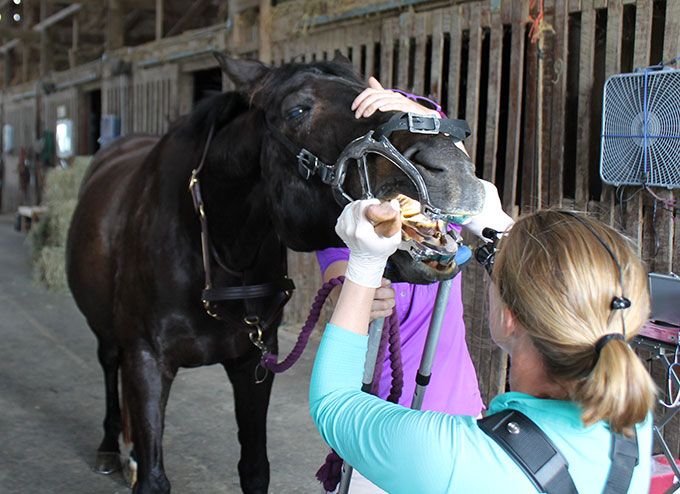
With an estimated 88% of horses over 20 years of age diagnosed with dental disease, veterinarians must be sure to maintain these patients differently than their younger counterparts.

Three horses in Clark County have tested positive for EHV-1, and three facilities there have been quarantined.

The unvaccinated 3-year-old Miniature Horse from Lowndes County is recovering with supportive care.

When 28-year-old Scotty retired from his long-held position as a saintly lesson horse, his owner threw a celebration. Here’s how to honor the special horses in your life when it’s time for them to retire.

Bisphosphonates are FDA-approved for controlling clinical signs associated with navicular syndrome in horses ages 4 and older. Some veterinarians use them off-label to treat other equine bone issues. But could this off-label use be detrimental? One equine veterinarian recently gave a rundown on what research says.

Aside from footing, a number of factors could be contributing to catastrophic injuries. What would it take to definitively pinpoint a cause? Dr. Peta Lee Hitchens, who has an interest in the epidemiology of racehorse breakdowns, explains.
Your old horse’s rations might not need to change just because he’s got a few more gray hairs around his eyes. Still, owners should consider some key points when feeding their seniors.

Some products found on farms are flammable, toxic, or hazardous to human and animal health. Learn more about how to use, store, and discard them properly.