How to Address an Old Racing Injury When Selling a Horse
How does a trainer explain a retired racehorse’s previous injury to a potential buyer? Two veterinarians and a three-day eventer weigh in.

How does a trainer explain a retired racehorse’s previous injury to a potential buyer? Two veterinarians and a three-day eventer weigh in.

Anecdotally, we know that hoof anatomy influences horse soundness and movement, but researchers are working to put science behind that relationship. Here’s what they’ve learned so far.

Learn about this stifle problem that can cause the hind limb to become locked in extension.

A systematic approach to examining the equine foot can help veterinarians identify causes of lameness more quickly and accurately.

Are your horses getting the nutrition they need? Find out during Equine Nutrition Awareness Month, brought to you by The Horse and ADM Animal Nutrition.
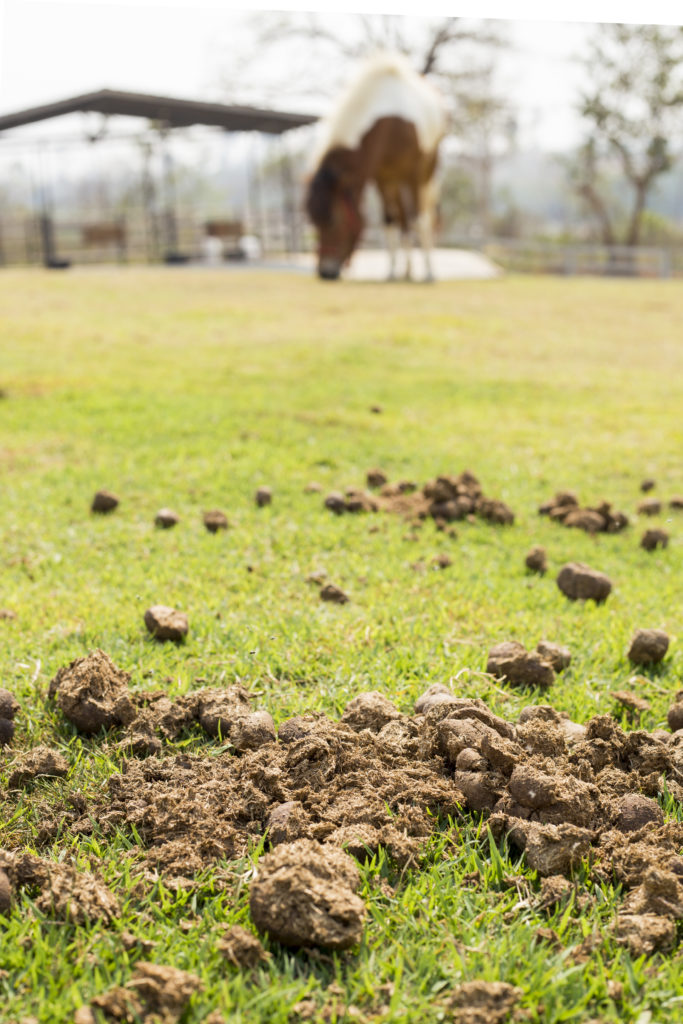
Could adding a supplement to your horses’ feed reduce the worm burden on your pasture? Researchers recently tested an Australian product designed to do just that—and with positive results.

Diagnosing EMS and taking steps to manage it can allow your horse to live a healthy and productive life.

Wellness care can result in a healthier, longer life for the horse at a more predictable and manageable cost for the owner.

Horses described by their handlers as passive, stubborn, and confident rather than intelligent, curious, and playful appeared to cope better with the demands of police horse life, researchers learned.

Untrained horses—which can vary from feral horses to unhandled youngsters—can be challenging to sedate, so a veterinary anesthesiologist offered tips for other practitioners.

Researchers found that both trained and untrained individuals can use a ridden horse ethogram to identify behaviors likely indicative of musculoskeletal pain, but being educated about the ethogram produces the best results.

Most equine cruelty investigations begin with a tip to law enforcement, and whether those cases are successfully prosecuted can depend largely on how tipsters share their information. Here’s what to remember.
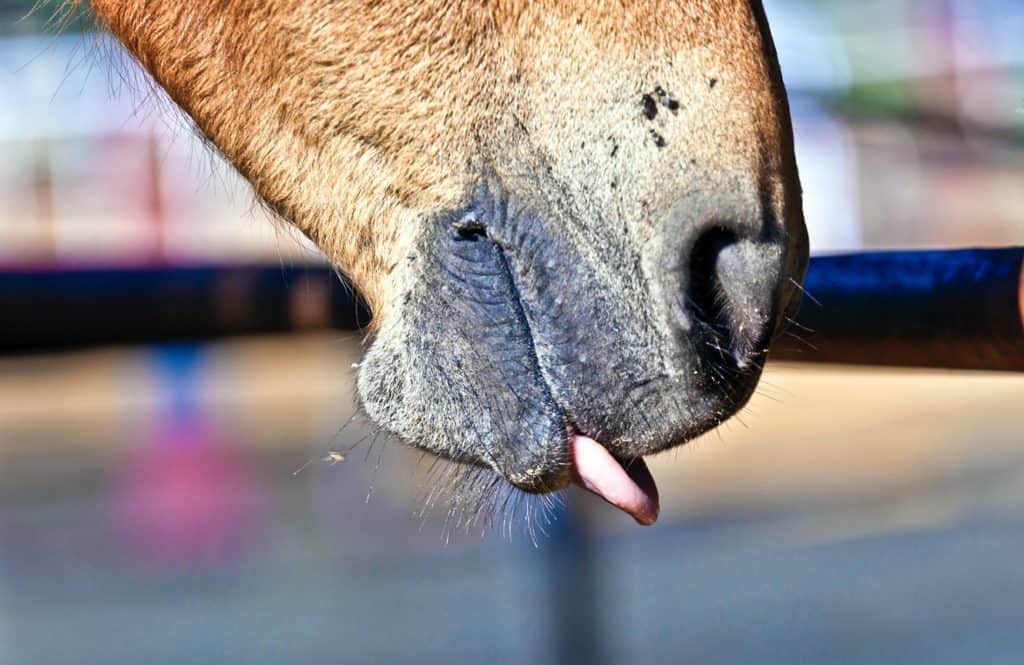
What does “licking and chewing” really mean?
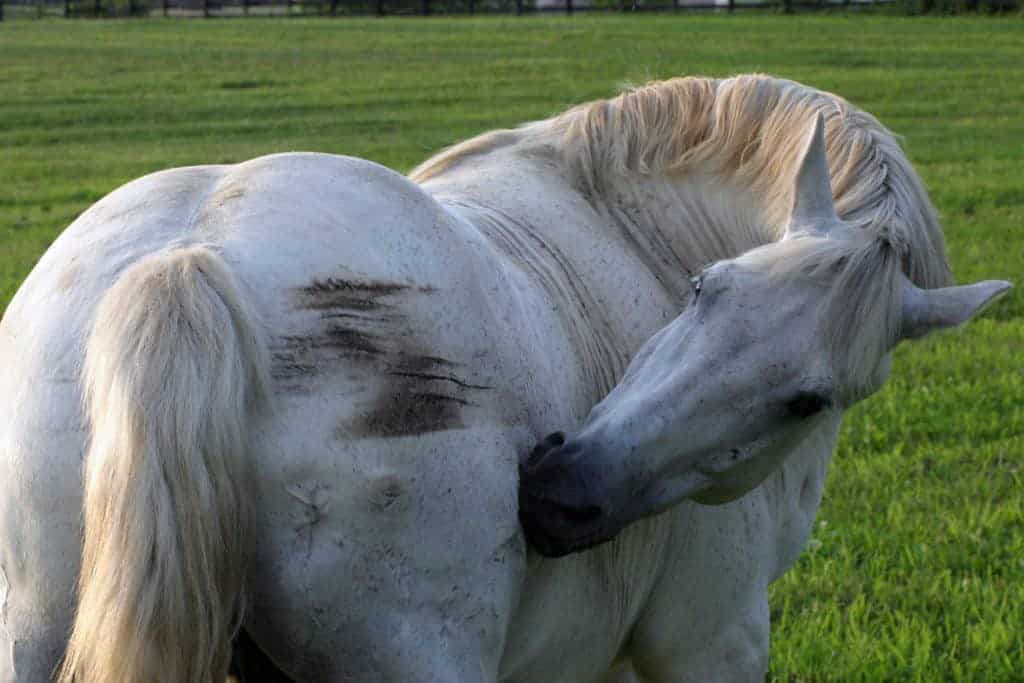
There are at least three distinct types of self-mutilative behavior in horses. Here’s what researchers know about them and how management changes and other options can help reduce their frequency.

Veterinarians have only recently described this dental disorder, which primarily affects older horses’ incisors and canines. Because EOTRH comes on slowly and insidiously, many owners and their vets don’t pick up on it until it’s in its late—and painful—stages, one equine dental specialist says.

Each horse responds to laminitis differently, so veterinarians must have a variety of pain-management options at their disposal.