Mosquito-Borne Viruses Emerge in Spring as Threat to S.C. Horses
West Nile virus and Eastern equine encephalitis have high mortality rates in exposed, unvaccinated horses, South Carolina animal health officials said.

West Nile virus and Eastern equine encephalitis have high mortality rates in exposed, unvaccinated horses, South Carolina animal health officials said.

Horses with PPID had lessened antibody titers following vaccination for rhinopneumonitis and West Nile virus.

In horses bone development begins in the womb, but researchers are still working to understand the complexities of in utero bone growth.
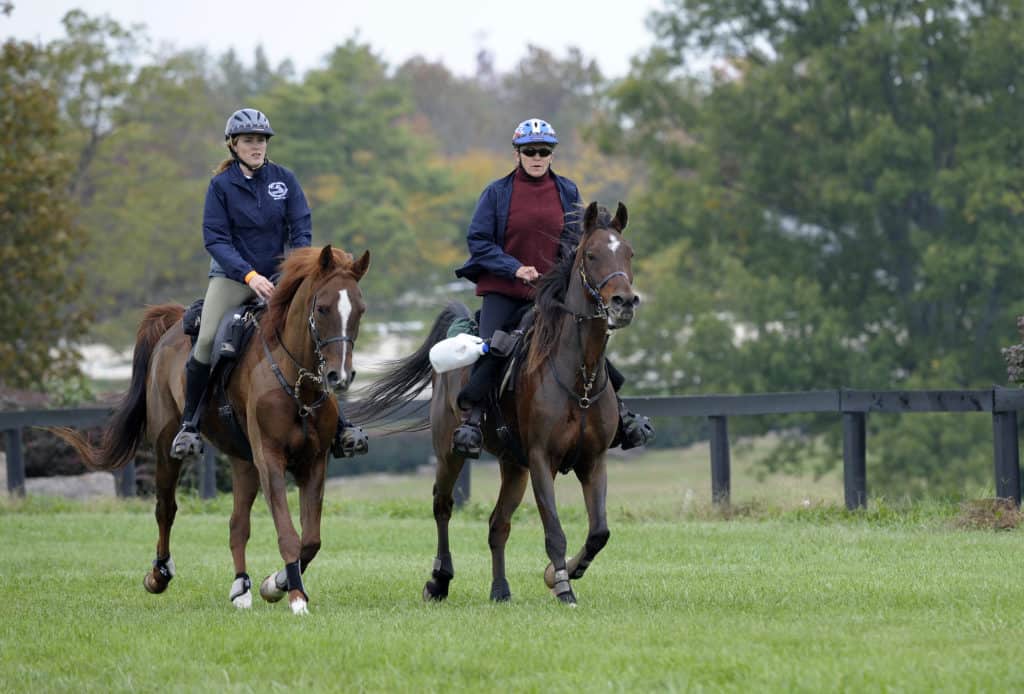
Horses have varying degrees of “distractibility,” and this can significantly affect their attention capacities and, hence, their efficiency in learning, researchers confirmed.

Our nutrition expert explains how diet changes can help horses with pituitary pars intermedia dysfunction (PPID).
Researchers in the United Kingdom are hoping owners of horses diagnosed with or suspected of having back problems will complete a survey for a study in progress.

Parasitologist Dr. Ray Kaplan explains why we need a paradigm shift from “deworming” to “parasite control” when managing our horses.

By paying close attention to when and where it occurs and any additional clinical signs, you can help your veterinarian find the cause of and cure for your horse’s cough.

Learn about the importance of fecal egg counts for horses from parasitologist Dr. Ray Kaplan of the University of Georgia.

Find out how some simple diet changes might help calm your hyperactive horse.

Years ago, vets relied on clinical signs to diagnose PPID. Find out how the disease is diagnosed now.
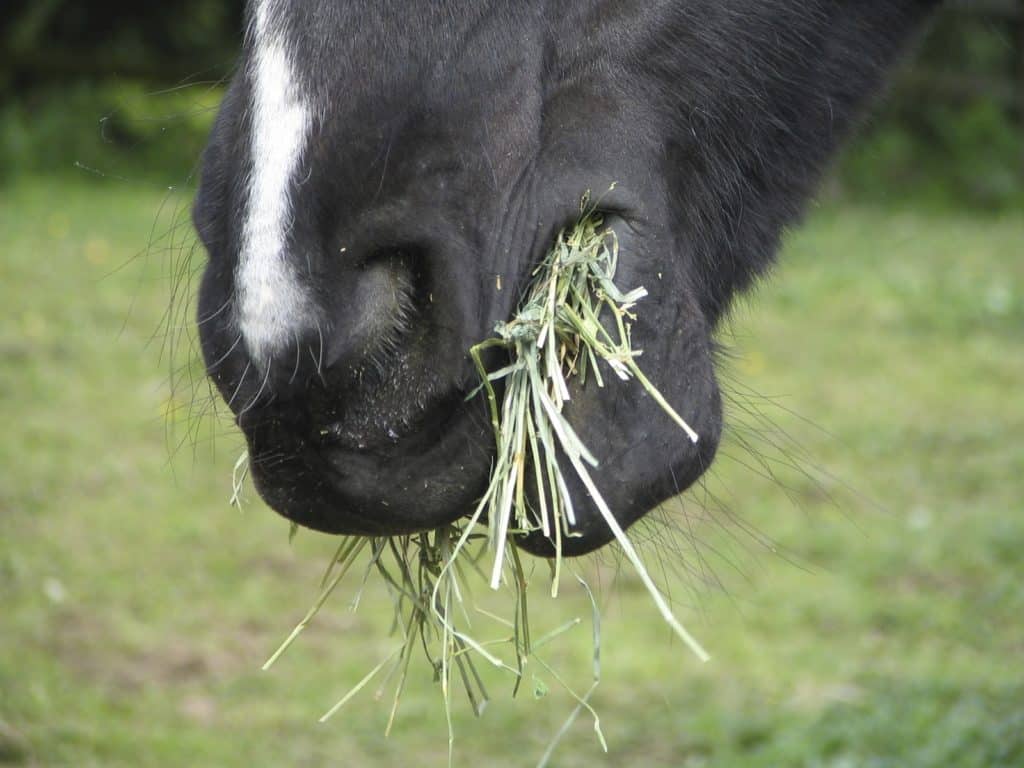
These findings help us better understand how and why horses’ teeth wear as they do, researchers said.

Once the biomarkers identified in this study are confirmed through more tests and larger samples, scientists might be able to develop treatments to prevent chronic pain, researchers said.
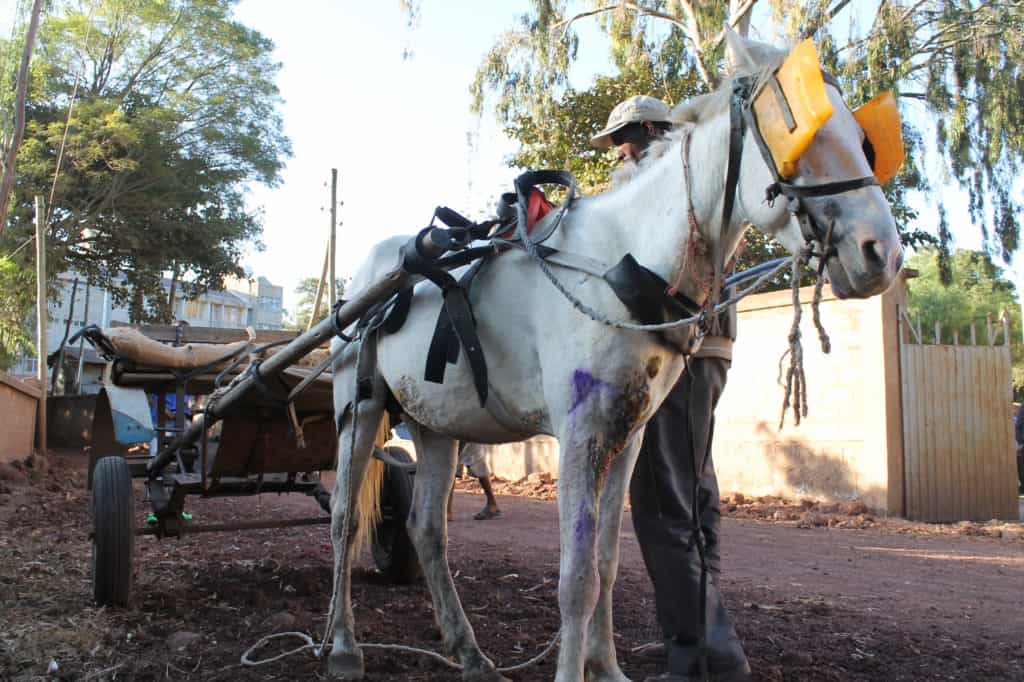
Colic incidence is relatively low, affecting only about 3% of the Kenyan equine population each year. But researchers say that figure doesn’t include many cases not reported to vets and treated with home remedies.

Horseback riding requires healthy backs–not just for horses but also humans. In fact, human back health can have direct implications on equine back health, as well as the horse’s welfare and performance.

When veterinarians detected pregnancy loss in horses early enough for mares to be rebred, 57.3% delivered a live foal the following spring. Of those, mares 3 to 8 years old had a 73% live-foaling rate.