Collected, Medium, and Extended Trot Biomechanics Studied
Researchers focused on the effect of collected and lengthened paces in young and mature dressage horses.

Researchers focused on the effect of collected and lengthened paces in young and mature dressage horses.

Dr. Martin Nielsen explains why composting and good manure management are imperative to internal parasite control.

Horses are more prone to digestive upset than other domestic animals because of how their GI tract functions.

Foals are at the greatest risk for internal parasites. Dr. Kenton Morgan offers advice for protecting them.

Unwanted behavior can have a significant impact on mares’ and fillies’ performance across a range of competition events.
The standards were reviewed and modified at the ARCI’s equine welfare and racing integrity conference in April.

The goal of medical management centers around breaking the associated pain cycle and reestablishing proper GI function.

Of the 430 respondents, 93 (22%) said they take more than two weeks off work each year for horse-related activities.

A special splint and cast can produce good fracture healing and pasture soundness in ponies, donkeys, and small horses.

Developing an understanding of post-colic feeding practices can help your horse on the road to recovery.

The Animal Welfare Commission will review the proposed furosemide ban for show horses set to take effect Jan. 1, 2018.

There were nine recorded cases of EEE in horses in North Carolina in 2016.
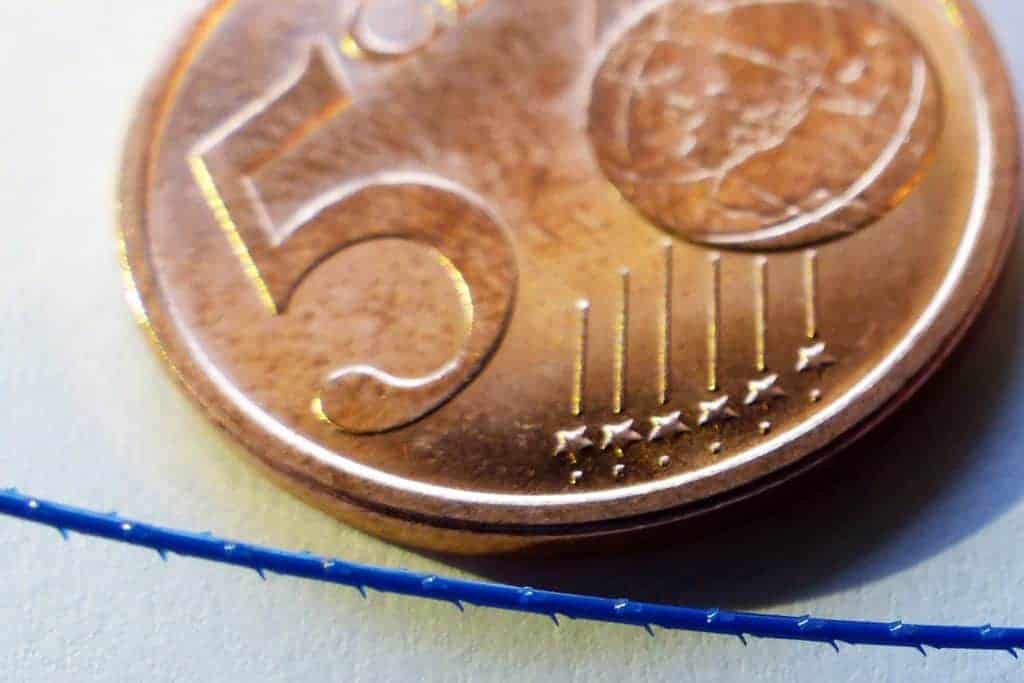
Barbed sutures eliminate the need for knot-tying and distribute tension on the suture line more evenly, researchers say.

Learn the most up-to-date information about when and how to deworm your horses.
Owning horses sometimes requires making tough choices, especially as they get older.

Find out how to deworm your horses without promoting drug resistance.