Laser Therapy: No One-Size-Fits-All for Horses
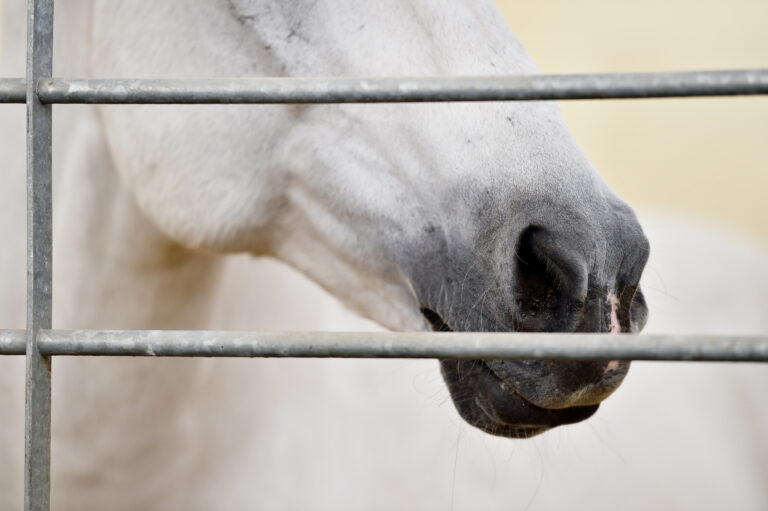
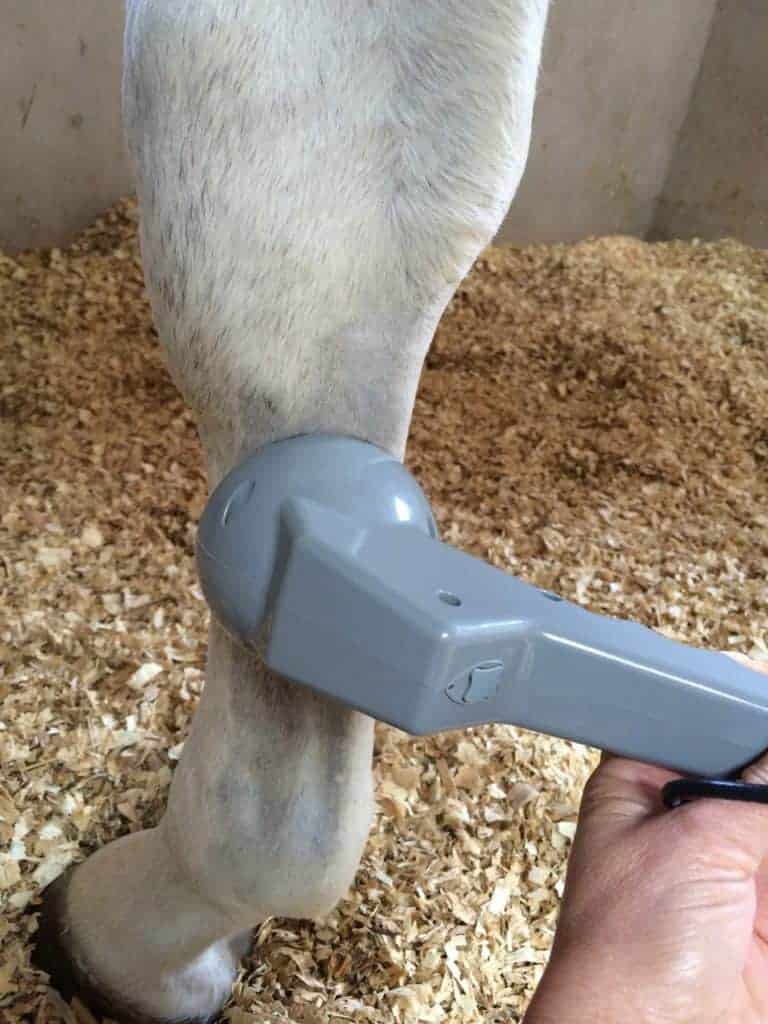
The amount of laser light reaching internal structures depends on the horse’s hair and skin thickness and color.

The amount of laser light reaching internal structures depends on the horse’s hair and skin thickness and color.

The rule changes are expected to go into effect at all California tracks by Dec. 26.

Learn how to right a recumbent horse and what factors influence his survival.

The organization opposes the current legislation because it would eliminate the use of race-day furosemide.

Of the 820 respondents, 396 (48%) said they are confident that their horses would cross water.

Researchers said the ethogram allowed an assessor to differentiate between clinically lame and sound horses.

Policies include publishing daily vet records of all medications and treatments given to horses leading up to the race.

Several ingredients claim to help equine gastric ulcers, but only a few have research behind them.

Learn to identify these common and important signs of colic in horses–doing so might save your horse’s life.
Advocates shared options to support OTTBs. Speakers included U.S Team rider Boyd Martin and RRP founder Stuart Pittman.
The non-steroidal anti-inflammatory cream is FDA-approved for use in horses with osteoarthritis.

TheHorse.com Facebook fans selected Sarah Borns’ photo as the overall winner of the Don’t Spook! contest.

By taking a research-based parasite control approach owners and vets effectively protect horses from internal parasites.
Two horses taken from their Florida barn in May have been found abandoned in a nearby field.
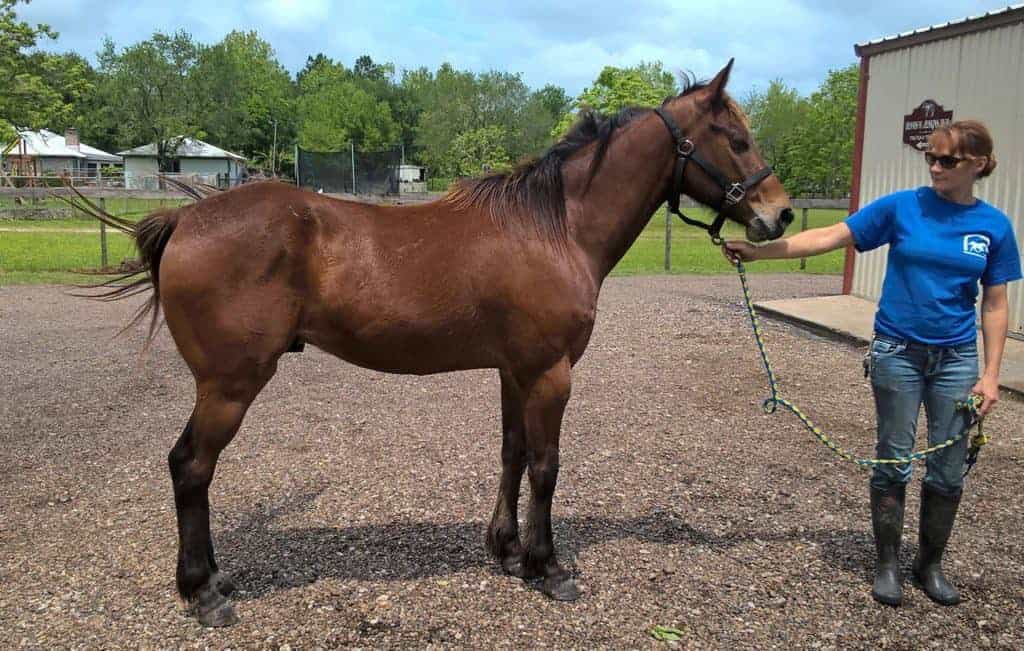
The 6-year-old bay gelding went missing from a 50-acre pasture in Galveston County, Texas, on May 29.

Vaccination and biosecurity can help keep your horse healthy when you take him off the farm.