New Hendra Case Confirmed on Queensland’s Gold Coast
The newly confirmed hendra virus case is the fourth in Queensland this year.

The newly confirmed hendra virus case is the fourth in Queensland this year.

Dr. Brandy Burgess of Colorado State University answers a reader question about transferring skills from human infection control to a career in equine infection control, noting that many disease prevention concepts are similar between species.
Is the equine vaccine for snakebites effective against all rattlesnake species in the United States?
Sessions on hay production and equine parasite control recommendations will be offered.
Best practices were identified in virtually every primary area of focus, including horse health practices.

Dr. Graeme Cooke, FEI veterinary director, discusses how we can better facilitate movement of horses for international competition while preventing the spread of disease.
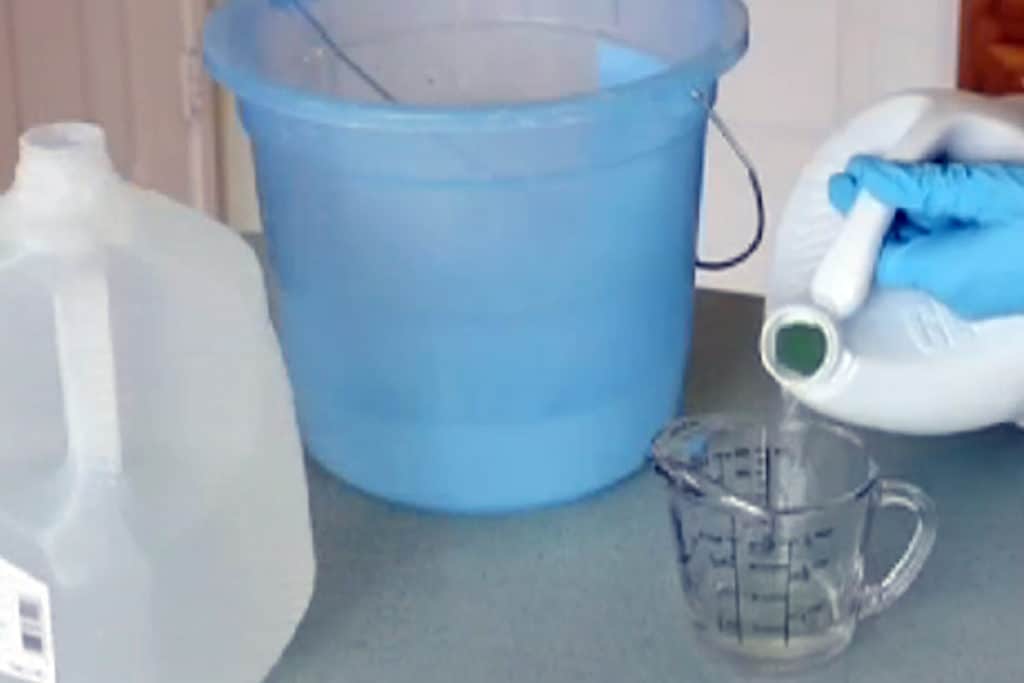
Dr. Brandy Burgess of Colorado State University describes how to select a disinfectant to protect horses from infectious disease agents, based on organic material present, surface type, and disinfecting goals.
The ASPCA issued an emergency grant for $30,000 to Front Range Equine Rescue in Larkspur, Colo.
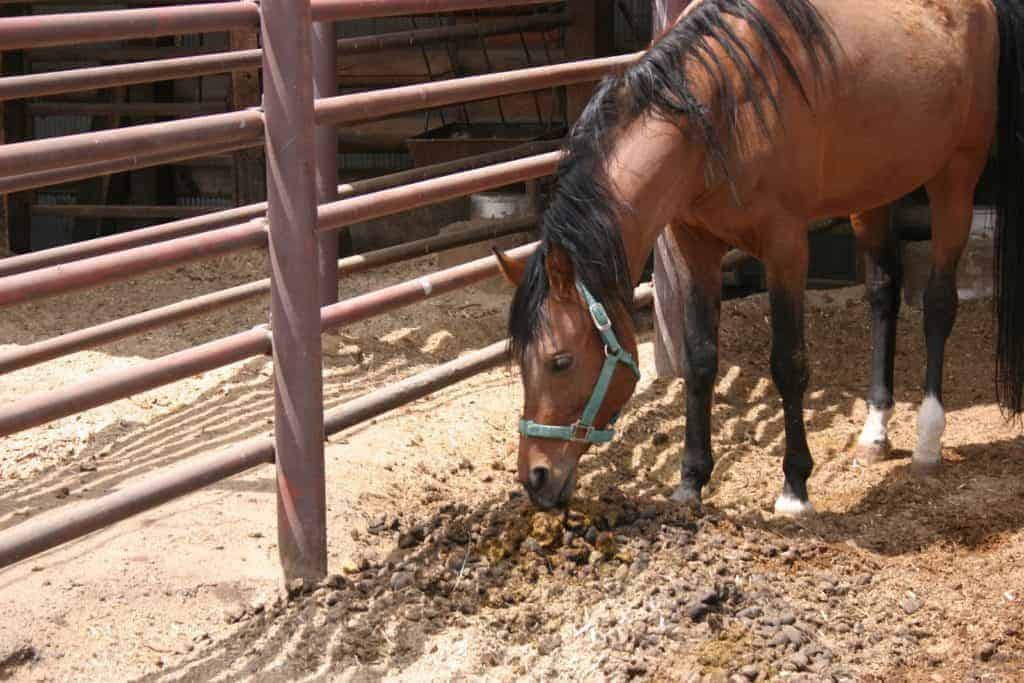
We don’t expect our horses to eat things like dirt or manure, but sometimes they do.
The drugs, only available through compounding pharmacies, will be high-level violations if used in racing.
Will forming a bond with my horse help keep him from bolting when riding in the arena and around the paddocks?

Of the 688 voters, 77% indicated they had, at one time or another, used a diet to reduce a horse’s weight.

Here are a few points to help you identify wildfire risks for your horse property along with the appropriate actions to minimize those risks.
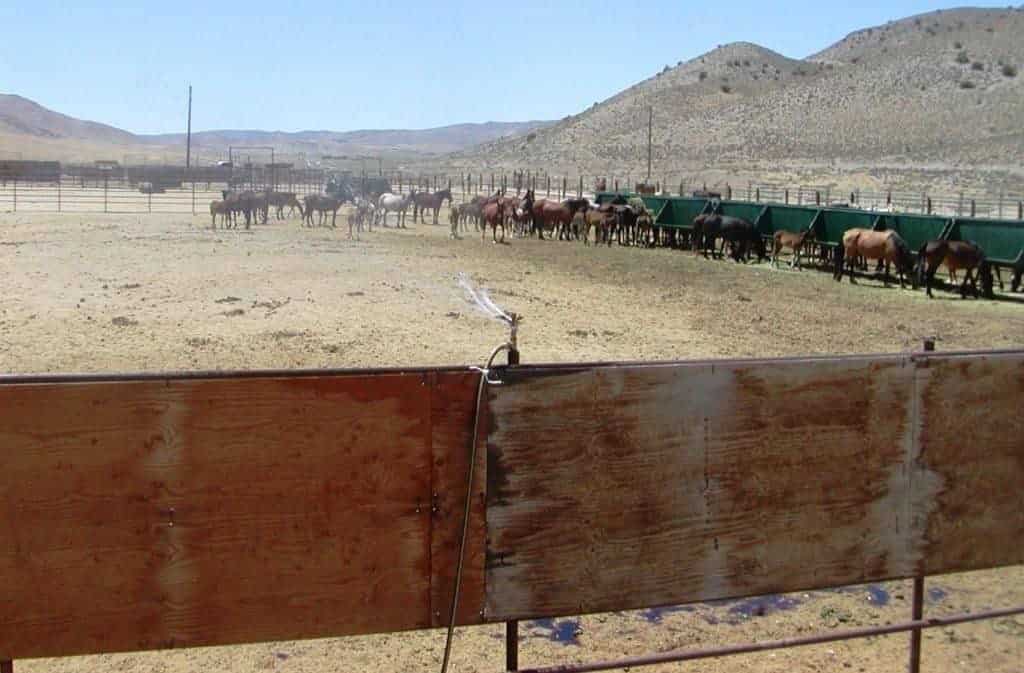
The BLM’s Palomino Valley Wild Horse and Burro Center installed sprinklers to reduce heat levels in corrals.
Ellis Park recently removed an inordinate amount of rock from its dirt surface to improve the track’s safety.

One researcher describes the differences between two common equine endocrine disorders: EMS and PPID.