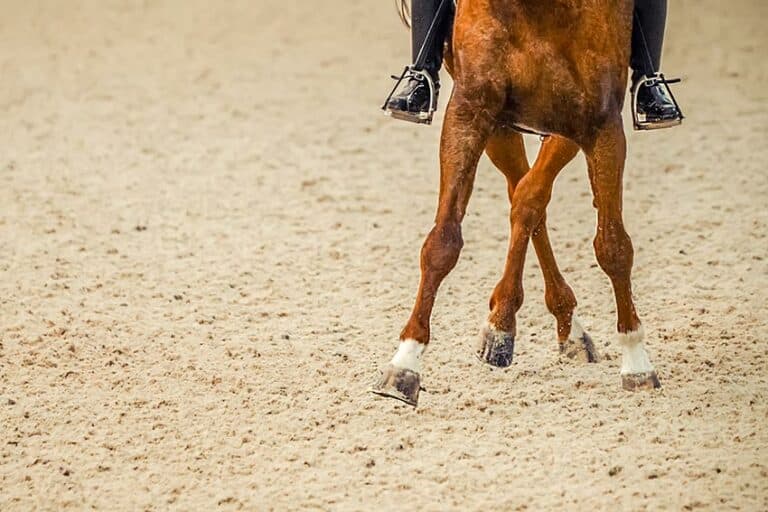
Warm-Up Techniques for Performance Horses
In a research review, scientists found that longer, less intense warmups might improve horse performance and well-being.

In a research review, scientists found that longer, less intense warmups might improve horse performance and well-being.

Find out whether a horse diagnosed with ulcers should be on a special diet.
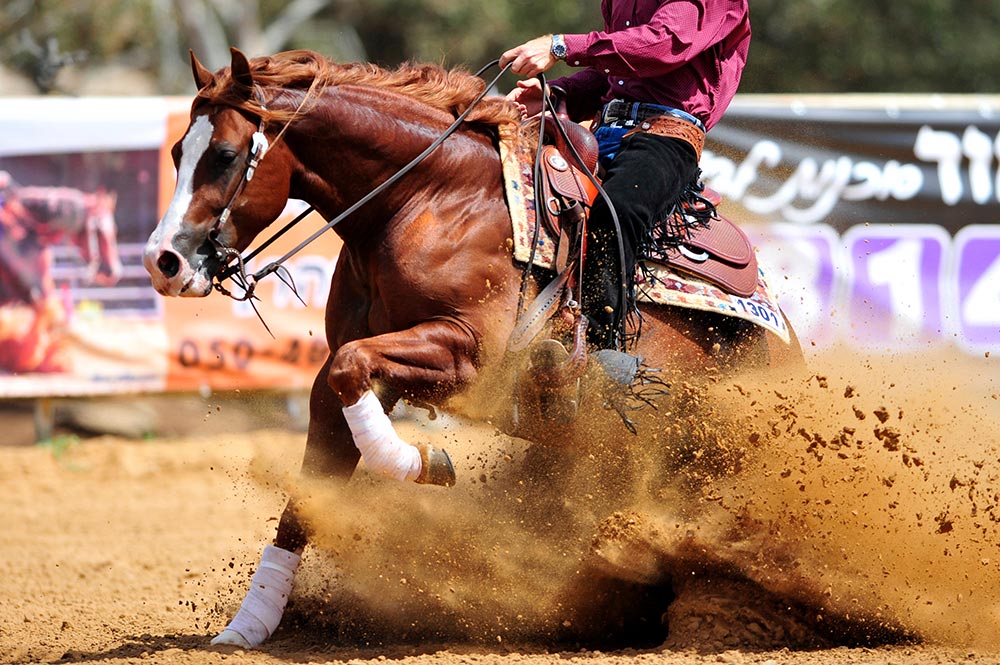
Two experts answer your questions about equine osteoarthritis, the No. 1 cause of poor performance in horses. Sponsored by American Regent Animal Health.
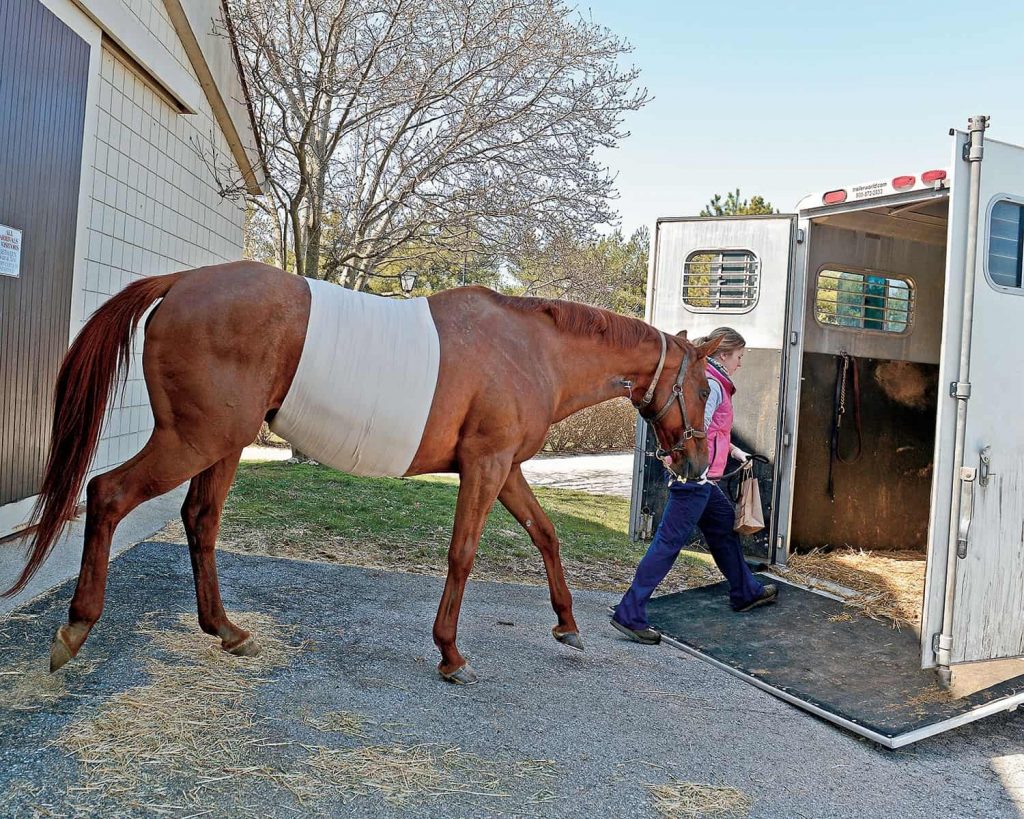
The stress of surgery and the management changes that follow can cause gastric ulcers in horses. An equine nutritionist describes possible solutions.

Learn how to safely improve your horse’s fitness all week on TheHorse.com. Sponsored by NexHA.

International units are used to quantify similar biologically active substances such as vitamins and hormones. One equine nutritionist explains.

Learn about 5 reasons to use complementary therapies such as acupuncture and chiropractic for your horse and the research behind them.
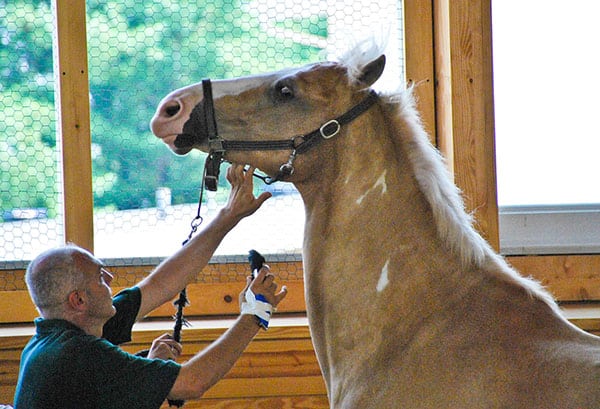
Determine why a horse is head shy, and then use learning theory principles to reverse the behavior.

Learn how ultrasound tissue characterization can help veterinarians guide horses’ return from injury.

Learn to read the vast and varied signs of equine gastric ulcer syndrome.

From reinforcing behaviors to reading facial expressions, adopting welfare-friendly handling practices can improve equine well-being and human safety.

Researchers reviewed literature about an anatomical variation of the equine cervical spine called TC67 that occurs most often in Warmbloods.
Does your horse struggle with gastric ulcers? Learn how to identify this painful condition and how veterinarians might diagnose and treat it. Sponsored by SmartPak.

Researchers believe adding alfalfa pellets to your horse’s diet might help manage and prevent ulcers in the lower region of the stomach.

An owner seeks advice on managing a senior horse with PPID (formerly Equine Cushing’s) disease during a heat wave.

Learn about 4 common injuries veterinarians see in these athletes, how they diagnose them, and what treatments and rehabilitation methods they use.