Wildfires: When Evacuation is Not an Option
Tips for horse owners caught in the lines of wildfires when evacuation is not an option.

Tips for horse owners caught in the lines of wildfires when evacuation is not an option.
Stolen Horses International and its companion website NetPosse.com help owners search for missing horses.
While firefighters continue their efforts to contain wildfires burning in Texas, a veterinarian located
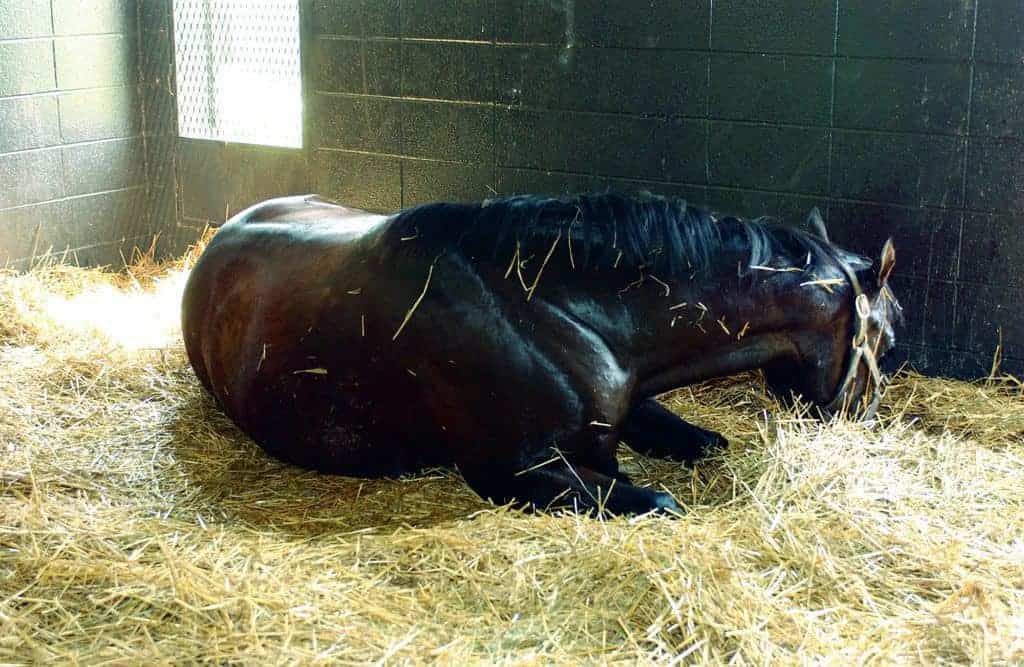
Certain parts of the horse’s digestive tract are associated with higher risks of developing colic.

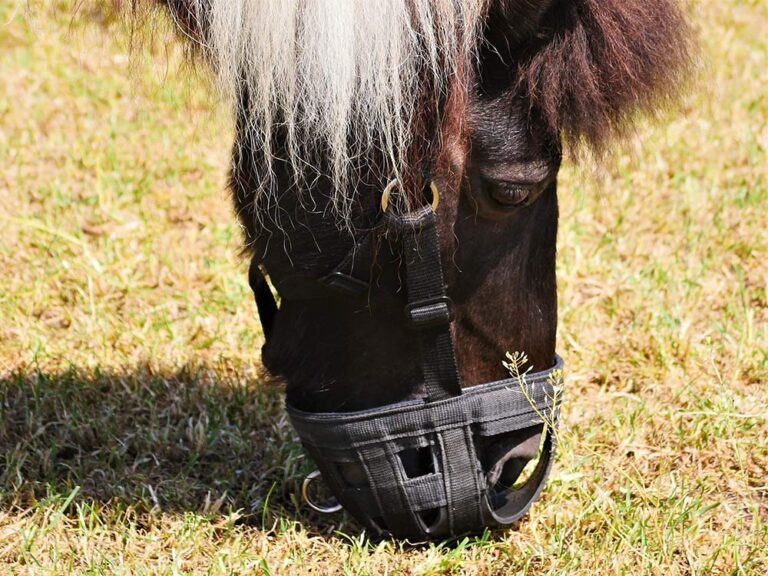
Grazing muzzles can be effective at reducing pasture intake, sometimes reducing intake by as much as 85%.

The Derby winner was cleared for exercise after undergoing surgery for a hairline fracture in his left hock.
Members of Texas’ equine community are working together to help horses threatened by raging wildfires.
The Washington International Horse Show has some unique challenges for the competing horses and riders.
The New York-based owner of 22 horses swept away during Hurricane Irene is hoping to recover his animals.
Can we blame Salix and race-day medications for the bad perception horse racing seems to draw from the public?
The 1999 Breeders’ Cup Distaff winner was euthanized after a battle with equine laminitis.
Some important medical conditions are being overlooked by some owners and caretakers of geriatric horses.
The 2011 NTRA Professional Education Seminar will be held Oct. 18-19 at Keeneland Race Course.
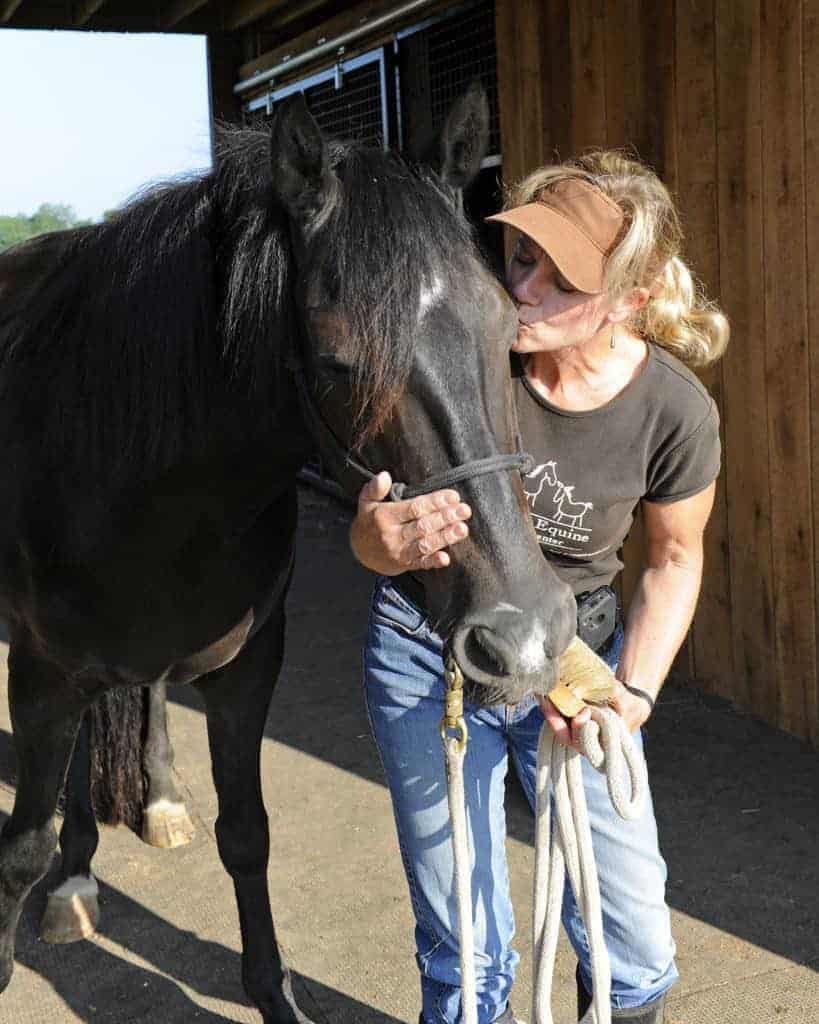
After completing the adoption process and bringing your new charge home, help him adjust to his new surroundin
My horse will be hauled to a state affected by the recent equine EHV-1 outbreak. Should I be concerned?