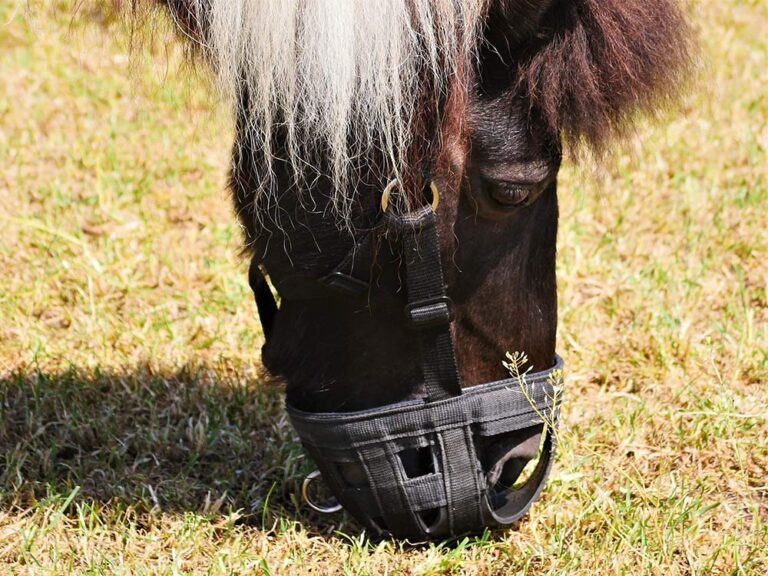
Readers Reveal Their Horses’ Habits
More than 1,000 readers of TheHorse.com responded to a poll asking, “What ‘bad habits’ do your horses have?”
How to care for the basic health needs of horses
More than 1,000 readers of TheHorse.com responded to a poll asking, “What ‘bad habits’ do your horses have?”
In addition to the risks viruses and bacteria pose to the horse, environmental exposure to particulates dispersed from feed, bedding, footing materials, and other sources (such as diesel exhaust) all can lead to IAD. Even small increases in aerodynam
A product that could stimulate the immune systems of newborn foals to better fight infection of Rhodococcus equi would be very beneficial, said Steeve Giguère, DVM, PhD, of the University of Florida, at the 2008 American Association of Equine
Despite the hypothetical benefits associated with the topical use of platelet-rich plasma for expediting wound repair in horses, research thus far has yet to reveal any beneficial effects on small full-thickness wounds of the distal limb.
Churchill Downs Incorporated has announced a series of new rules and policies designed to enhance the safety and welfare of jockeys and horses. The measures will be in place at Churchill Downs racetrack in advance of the this year’s Kentucky
When vaccination time rolls around, do you know what to expect after your horse’s immunizations? Every horse owner expects their vaccinated horse to be protected from disease, but some horse owners don’t expect to see a reaction that may occur
In recent years, infections and fatalities due to methicillin-resistant Staphylococcus aureus (MRSA) have been making the news. However, information specific to equids has sometimes been hard to come by. British actress and broadcaster
I own a Percheron/Thoroughbred gelding who started to have severe allergic reactions to vaccinations last year.
(Editor’s Note: Dr. McDonnell answered a reader’s questions on her horse biting another in the throat in the March 2007 issue. The reader and McDonnell follow up on this interesting

Windpuffs are soft, fluid-filled swellings toward the back of the fetlock joint, resulting from inflamed deep digital flexor tendon sheaths. Most commonly, these puffy enlargements are symptomless blemishes–old and cold, the result of years of hard work.
Rotational deworming–dosing horses with different classes of dewormers in rotation–is often recommended for controlling equine internal parasites. The theory is that by using all of the available effective deworming drug classes, we combine their
Much like humans, horses need a proper diet and adequate exercise to maintain a healthy body weight.
Just as when a bunch of people are confined to a relatively small space, such as in an office or airplane, when
In tough economic times, many horse owners look for ways to cut costs. Too often this is done by cutting back on veterinary care. However, it is important to keep in mind that what may save us a couple of dollars now might end up costing us much
Despite the fact that 20% of racehorses in the southern United States are affected by anhidrosis–the inability or decreased ability to sweat–the underlying causes of this medical condition remain unknown.
Sweating is the primary mean
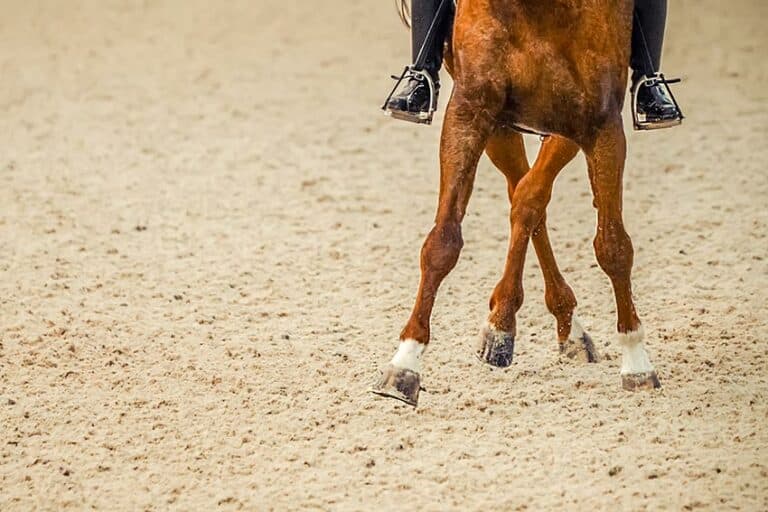
More than 1,500 readers of TheHorse.com responded to a poll asking, “Where do you work your horses?”
Stay on top of the most recent Horse Health news with FREE weekly newsletters from TheHorse.comWeekly PollCreate a free account with TheHorse.com!"*" indicates required fields |