Boehringer Ingelheim, Equine Network Partner on Disease Alerts
A new program sponsored by Boehringer Ingelheim and hosted by the Equine Network will keep the horse industry current on disease information.

A new program sponsored by Boehringer Ingelheim and hosted by the Equine Network will keep the horse industry current on disease information.
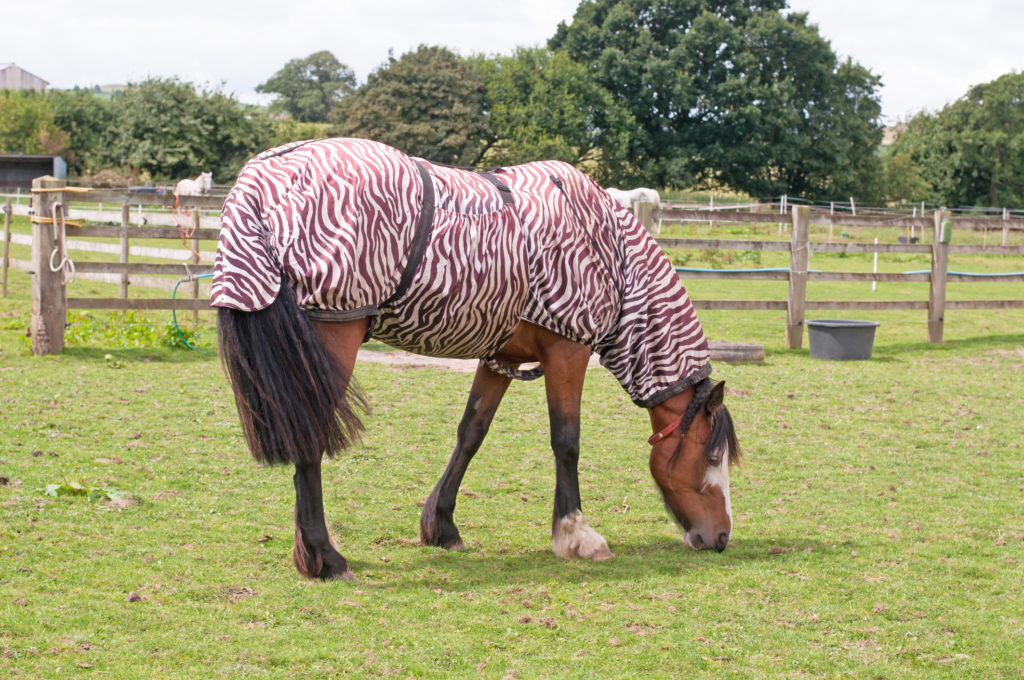
Help keep your horse healthy and get the most out of the coming months by increasing your understanding of—and watching for—five common health conditions seen during the summer.

Do you have an itchy horse? Learn about 6 possible causes of pruritus in this visual guide.

Accelerating the foaling process can go well in certain cases, provided vets carefully follow a protocol confirming mare and fetus are ready.

Learn about the signs, diagnosis, and prognoses of these rare reproductive conditions.

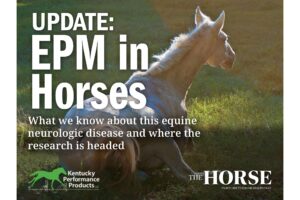
Equine protozoal myeloencephalitis (EPM) is notoriously difficult for veterinarians to diagnose and equally tricky to treat. But there’s hope as researchers continue to investigate this neurologic disease. Sponsored by Kentucky Performance Products.

Skin conditions in horses are often difficult to diagnose and frustrating to treat, with causes ranging from fungi to allergens to who-knows-what. Check out our pictures of common equine skin conditions—patchy to scabby and everything between.

We’ve compiled some of our best resources on these diets and what horses might benefit from them most. Sponsored by Hygain.

Younger age and lower body condition appear to protect horses against occasional spikes in nonstructural carbohydrate consumption.

Leg lameness should always be ruled out first when investigating sore backs, but primary causes of back pain do also exist.
University of Kentucky researchers reviewed 11 cases of this rare disease submitted to their lab from 2010 to 2021.

How diets high in starch can impact hindgut function and performance, potentially leading to problems with the ‘gut-brain axis.’

While diet is not directly used to manage PPID, nutritional management goes a long way in helping support these horses.

The very barn your horse spends time in might be harming his respiratory health. Learn about common airway irritants and how you can optimize air quality with this visual guide. Sponsored by Sweet PDZ Horse Stall Refresher.

Here’s a look at what we know and what we’re learning about equine herpesvirus type 1 (EHV-1) in light of recent outbreaks.

A nutritionist offers ideas for getting a pre-Cushing’s horse to eat his supplements while maintaining his special diet.