A Pain in the Stump: Umbilical Problems in Foals
Learn about preventive methods and surgical options for treating an umbilical infection.

Learn about preventive methods and surgical options for treating an umbilical infection.

Learn how serum amyloid A can help veterinarians and owners detect issues in horses early and provide critical time to get ahead of disease, infection, and more. Sponsored by Zoetis.

Bonny Henderson, DVM, CERP, describes how extracorporeal shock wave therapy (ESWT) works to treat and even prevent injuries.

Horses with equine Cushing’s might benefit from blue light therapy to help them grow lighter, more comfortable winter coats.

Nutritionist: Soaking beet pulp helps with hydration, but dry beet pulp is also typically safe to feed some horses.
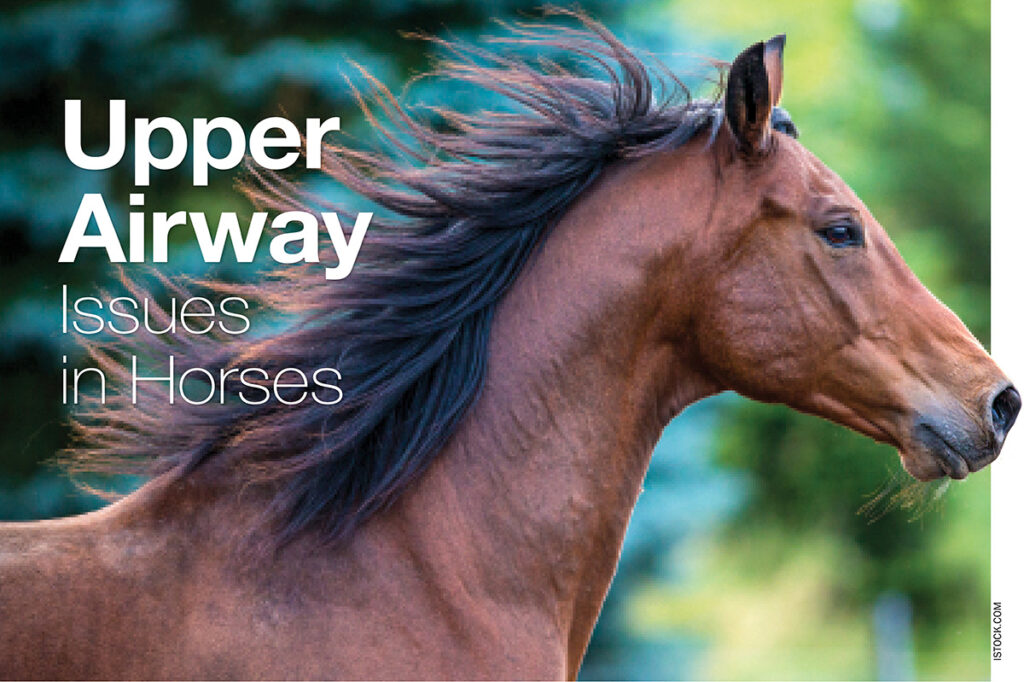
Learn about common upper airway problems in horses and how to address them in this visual guide.

Researchers assessed laminitis risks in a population of 707 donkeys and found they differ significantly from those of horses and ponies.

Learn about the best trimming and shoeing practices to ensure your horse stays sound while traveling the trails.

A veterinarian addresses whether oral aloe vera could help horses with gastric ulcers and offers evidence-based alternatives.
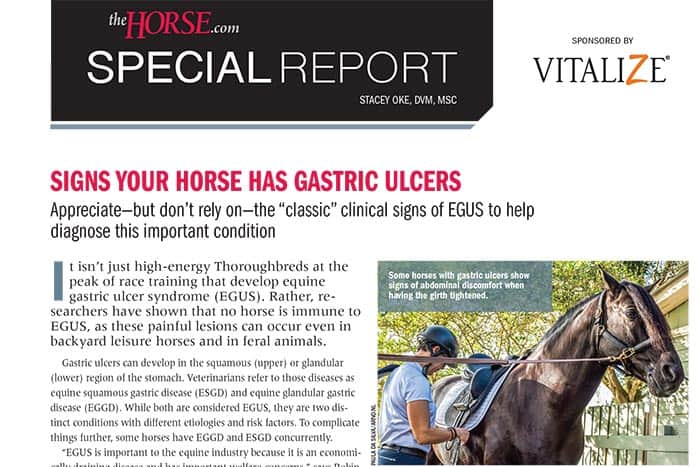
Many horses diagnosed with equine gastric ulcer syndrome via gastroscopy have no clinical signs, or the signs are so subtle owners fail to recognize them. Sponsored by Vitalize.

These programs designed to strengthen airway muscles might help affected horses avoid surgery.

Follow these steps to keep your horse cool and comfortable in the heat.

For any horse with appetite, appearance, or attitude issues, start by addressing the microbiome.

Study results suggested vaccination with inactivated viruses of all nine serotypes could protect most horses from AHS.

Discover how shock wave therapy, mesotherapy, and ongoing maintenance helped a young event horse with kissing spines return to performance in this free report.

4 key factors contribute to a leaky gut: diet, environment, performance, and medications.