Watch Out For Wasps in Horse Barns, Sheds
Find out why wasps might be more aggressive in late summer and how to deter them from moving in to your horse barn.

Find out why wasps might be more aggressive in late summer and how to deter them from moving in to your horse barn.

Top articles about keeping horses’ joints healthy so they can do their job comfortably. Sponsored by Bimeda.

Keep the horse’s microbiome healthy by mimicking the lifestyle maintained by wild horses.

Osteoarthritis in horses’ hocks can lead to joint fusion. For some affected horses, this might be a good thing. Find out why.
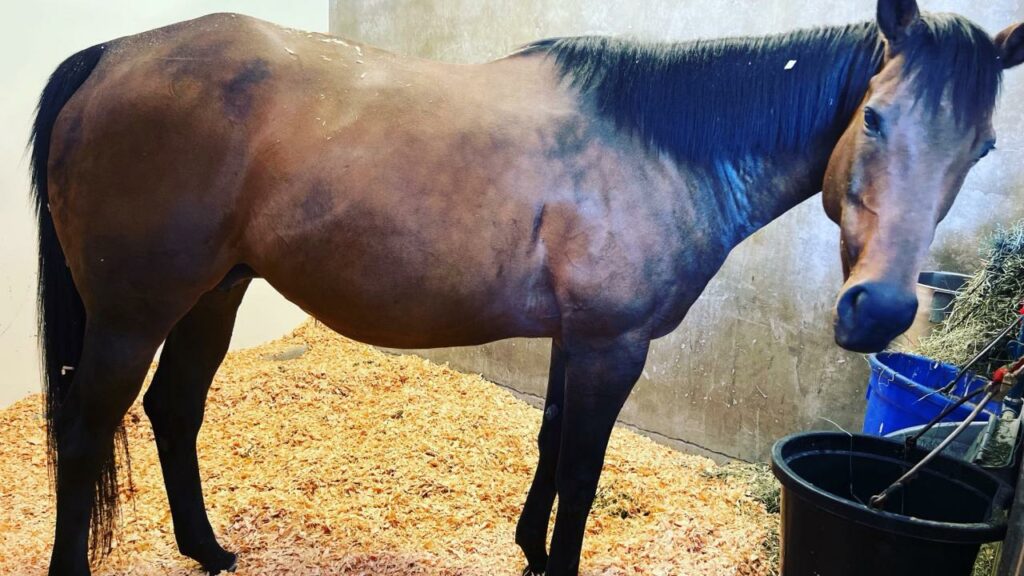
Lillipad, a reportedly barren mare brought into UC Davis for alarming health concerns, shocked caretakers with her pregnancy.

If your veterinarian discovers a heart murmur, it’s crucial to investigate its potential causes and effects.

What causes free fecal water syndrome in horses and how diet plays a part.

TheHorse.com readers and staff share their tips for preparing and keeping horses safe during Fourth of July festivities.

Jessica Gould, DVM, demonstrates extracorporeal shock wave therapy on an Irish Sport Horse to help manage mild neck and back pain.

Jessica Gould, DVM, demonstrates how she uses shock wave therapy on an older competing Irish Sport Horse.

Dr. Steve Higgins of the University of Kentucky optimizes daily barn tasks for efficiency, cost savings, and environmental soundness.

The right treatment can help prevent serious infections and unsightly proud flesh.

Top articles about how to prevent and solve problems through management and diet. Sponsored by Freedom Health.

Free-roaming Przewalski’s horses experience notable changes in their gut microbiota after annual deworming.
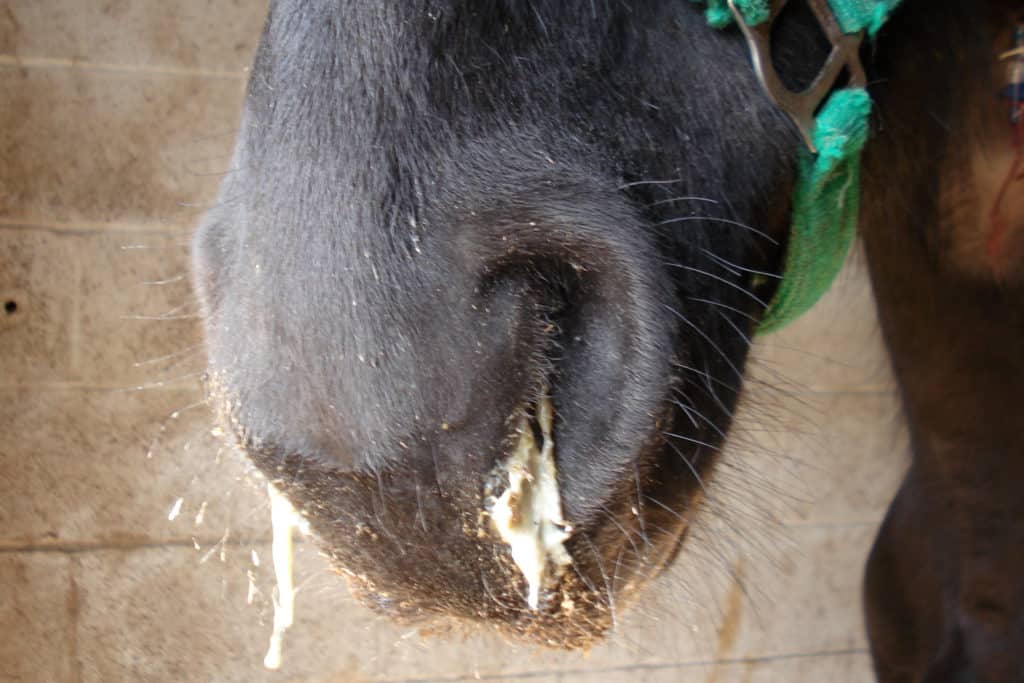
This common and highly contagious respiratory disease affects horses worldwide.

Veterinary intervention can make itchy horses more comfortable and keep allergies under control. Sponsored by Kinetic Vet.