How To Prevent Fescue Toxicosis in Broodmares
Fescue toxicosis can cause pregnancy losses and reduced reproductive efficiency in mares. Learn more in this visual guide.

Fescue toxicosis can cause pregnancy losses and reduced reproductive efficiency in mares. Learn more in this visual guide.

Biologics offer an alternative to steroid joint injections for horses with osteoarthritis. Learn how they are derived and work in our veterinarian-approved visual guide. Sponsored by Zoetis.

Use this visual guide to learn about the technologies your veterinarian might use to look inside your horse and why.

Learn about this difficult-to-manage allergic reaction to the saliva of biting insects in our visual guide.

Computed tomography (CT) and magnetic resonance imaging (MRI) are two diagnostic imaging methods veterinarians can use to capture images of structures within your horse’s body. Learn more in this visual guide!

Deworming doesn’t have to be dull! Brush up on your parasite control knowledge with these expert-approved facts.

Use this guide to help create an internal parasite control program for your adult horse.

Insulin dysregulation can cause abnormally high levels of insulin and sometimes glucose to circulate in the bloodstream, putting a horse at risk of regional adiposity, obesity, and/or laminitis. Learn more in our visual guide.
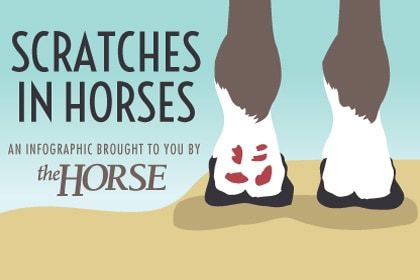
Discover the possible causes of scratches and how you can prevent and treat this frustrating dermatitis often found on a horse’s pastern in our step-by-step visual guide.
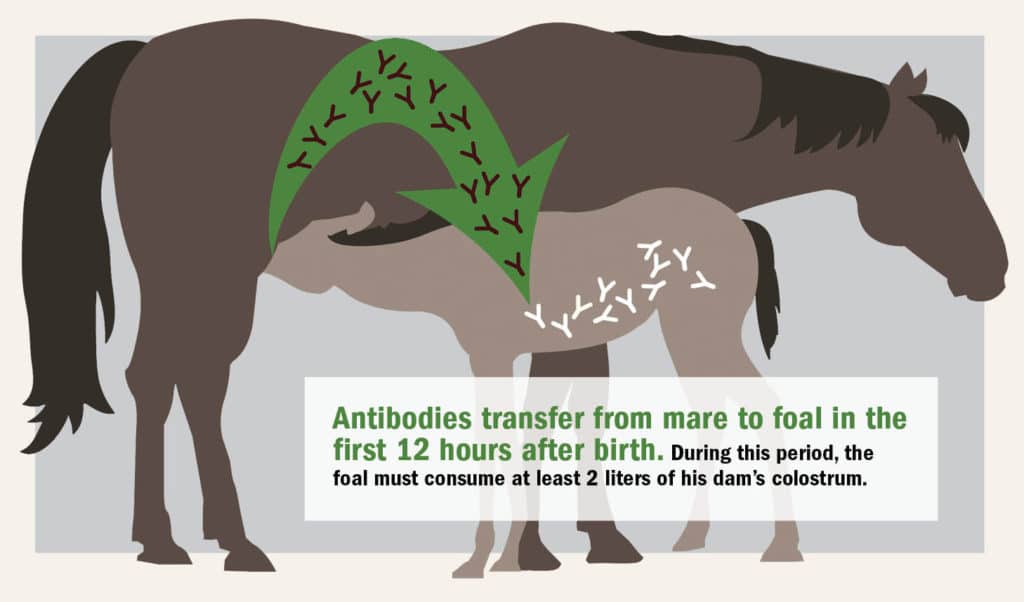
Approximately 5-20% of newborn foals are diagnosed with failure of passive transfer and are at risk for developing serious medical conditions. Learn more in this visual guide.

Computed tomography creates cross-sectional, 3D images to help veterinarians diagnose a variety of equine injuries and lamenesses.

Learn about equine gastric ulcer syndrome signs, diagnostic methods, and prevention and treatment strategies in this visual guide.

Learn how to manage minor leg wounds in our step-by-step visual guide.

Learn about the clinical signs, diagnosis, and management of pituitary pars intermedia dysfunction (PPID) in this visual guide.

Have you walked into a barn and smelled a pungent, burning odor? That’s ammonia, and it’s hurting your horse.

Learn about the common signs your horse might show when under stress and ways to mitigate the possible causes.