How Pastern Bone Chip Removal Impacts Performance
Arthroscopic pastern bone chip removal in horses had no significant impact on Thoroughbreds’ racing performance, researchers found.

Arthroscopic pastern bone chip removal in horses had no significant impact on Thoroughbreds’ racing performance, researchers found.

Address the entire horse, not just the injury, when bringing a patient back to work, veterinarians say.
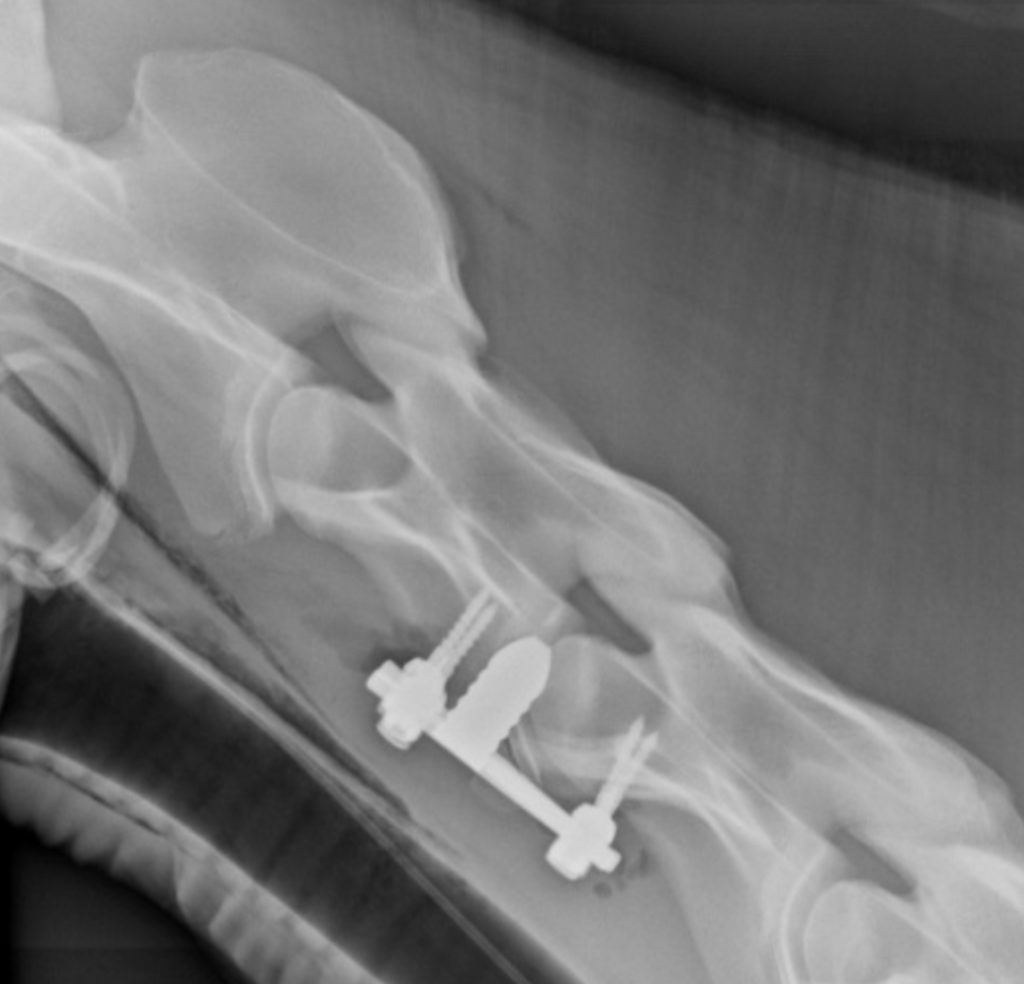
Researchers developed the new method for horses based on work conducted in humans. The procedure involves two stabilization devices: an intervertebral device to reduce compression and screws with rotating heads and connecting rods to stabilize the vertebrae.

Intra-articular (administered into the joint) polyacrylamide hydrogel helped decreased lameness in horses with naturally occurring arthritis, researchers found.

While there was no significant difference in outcome between patients treated conservatively compared to surgically, the overall prognosis for long pastern bone damage in sport horses remains guarded, researchers said.

Bisphosphonates are FDA-approved for controlling clinical signs associated with navicular syndrome in horses ages 4 and older. Some veterinarians use them off-label to treat other equine bone issues. But could this off-label use be detrimental? One equine veterinarian recently gave a rundown on what research says.

Researchers confirmed that ultrasound is a useful and economical screening tool to identify humeral stress fractures and can be used with radiography to monitor healing.

How does a trainer explain a retired racehorse’s previous injury to a potential buyer? Two veterinarians and a three-day eventer weigh in.

Determining why a horse isn’t performing up to expectations can be a time-consuming and tedious process. One veterinarian shares how she approaches these cases.

Osteoarthritis can hinder and even end the athletic careers of otherwise healthy horses. Learn more about early intervention and management during our webcast.

Find information on stress in horses, antibiotic use, scratches, conditioning, equine allergies, and more.

When a horse shows signs of poor performance, rearing or bucking under saddle, and sensitivity when grooming, an owner might conclude that he has a sore back. But when is an issue truly back pain, and when is it secondary to another orthopedic issue? One veterinarian weighs in.

Diagnosing SI injuries in horses remains challenging. One veterinarian recommends practitioners rule out other causes of pain when making a diagnosis and take a systemic approach using all available modalities.

Polyacrylamide hydrogel (PAAG) and stanolozol might offer veterinarians and owners new alternative treatment options to help reduce pain, improve joint function, and minimize joint tissue deterioration in horses with arthritis.

Dr. Wayne McIlwraith describes how joint treatments for horses have changed over the years and what therapeutic options might be on the horizon.
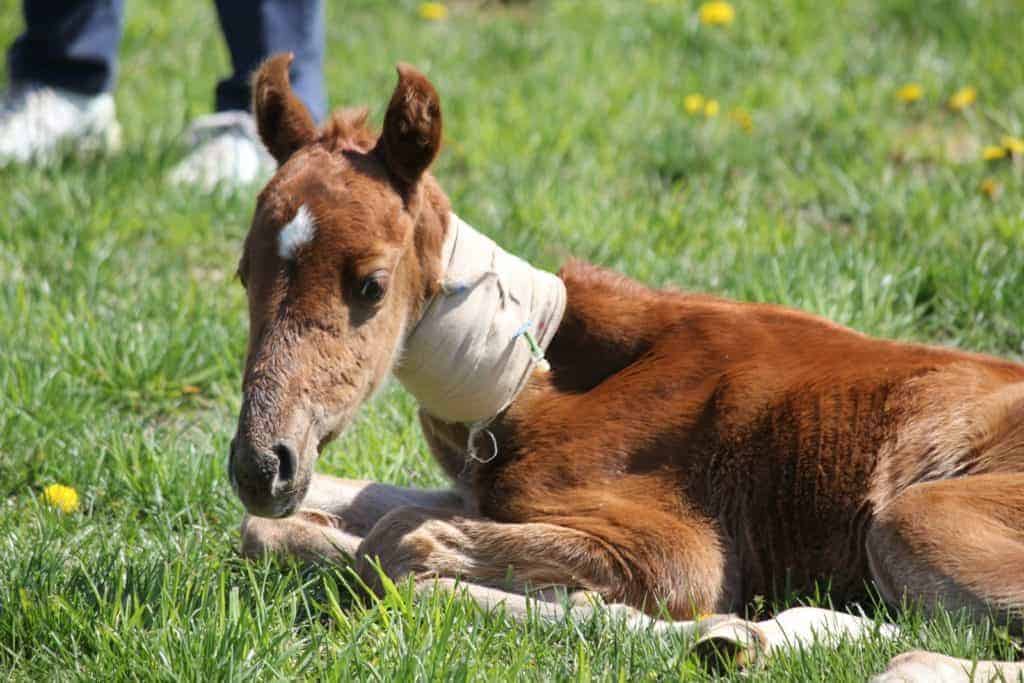
Researchers suspected that in some cases of septic arthritis bacteria might damage cartilage canals and interrupt blood supply. And in that situation, genetics—osteochondrosis’ most common cause—would have nothing to do with the resulting lesions.