Standing MRI: Use in Diagnosing Equine Lameness
Find out why standing MRI is useful for identifying complex issues in horse hooves and limbs.

Find out why standing MRI is useful for identifying complex issues in horse hooves and limbs.

How do you know if your horse is lame? Dr. Erin Denney-Jones shares information about diagnosing lameness in horses.

One practitioner shares a new technique that be more effective in pinpointing the cause of equine foot pain.
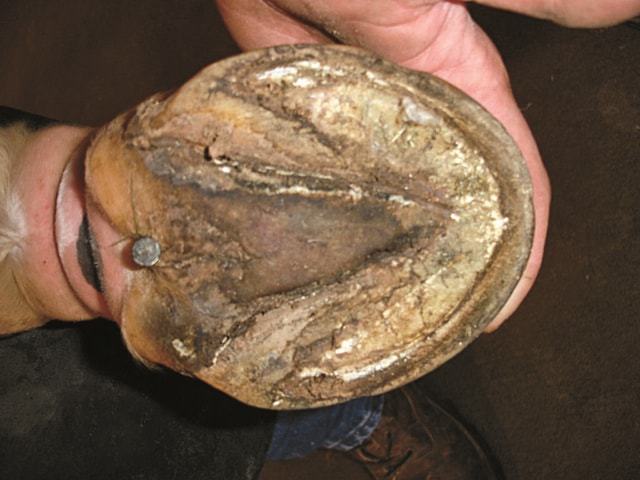
Solar foot penetrations involving the joints can be career- and even life-threatening injuries.

Dr. Lisa Fortier shares her picks for the top equine surgery- and lameness-related studies of 2013.

Learn how veterinarians get to the bottom of lower-limb problems in the first of this two-part series.

Learn about healthy hoof conformation and common, potentially function-affecting abnormalities.

One vet said multiple abnormalities could contribute to hoof lameness, rather than just one problem.

One vet encouraged practitioners and farriers to take a biomechanical approach to treating some foot problems.

Research shows that various angles of the outer and inner hoof are linked to different kinds of lameness.

Non-weight-bearing lameness is one of the most common emergencies practitioners manage in the field.
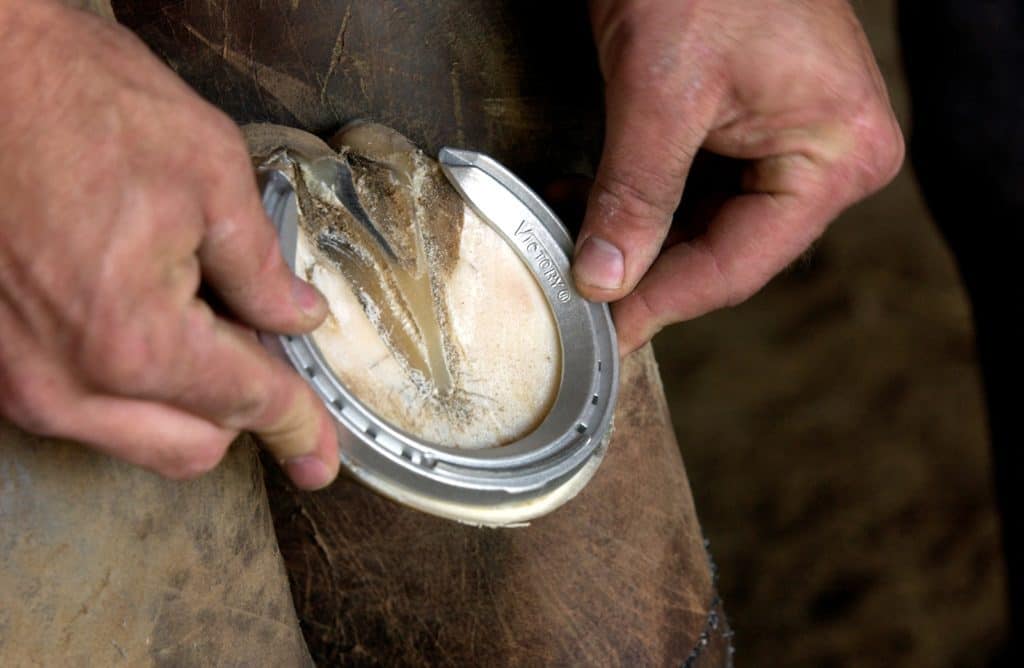
These state-of-the-art pressure sensors that can measure the forces at more than 1,000 location on the hoof.

The two-day program included presentations about podiatry, diagnostics, and treatments for laminitis.

Researchers observed noticeable lameness in horses consuming high levels of endophyte-infected seeds and hay.

The first step in managing an equine foot problem successfully is to attain an accurate diagnosis.

Some veterinarians are adding a new tool to their lameness diagnosis arsenal