Making Great Strides
The Animal Health Trust orthopedics team performs cutting-edge research of equine anatomy and function.

The Animal Health Trust orthopedics team performs cutting-edge research of equine anatomy and function.

Learn how veterinarians get to the bottom of lower-limb problems in the first of this two-part series.

Researchers used sensors to measure a horse’s movements and quantify limb movement outside a gait laboratory.

Learn about healthy hoof conformation and common, potentially function-affecting abnormalities.
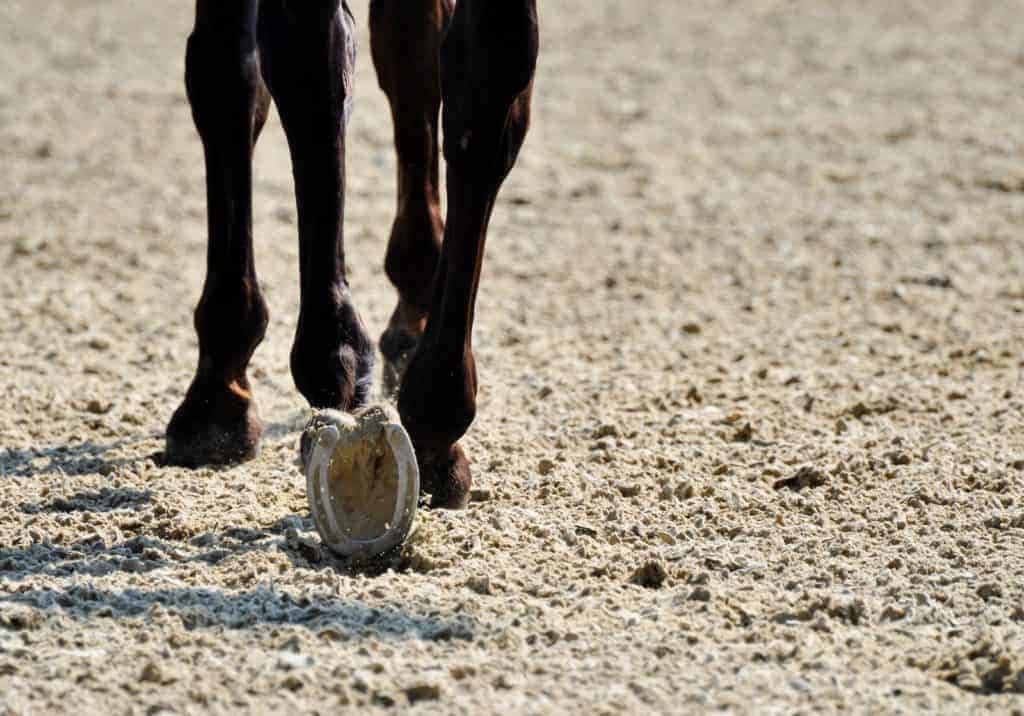
Researchers evaluated shoeing options to optimize hind hoof unrollment (or toe movement through the stride).
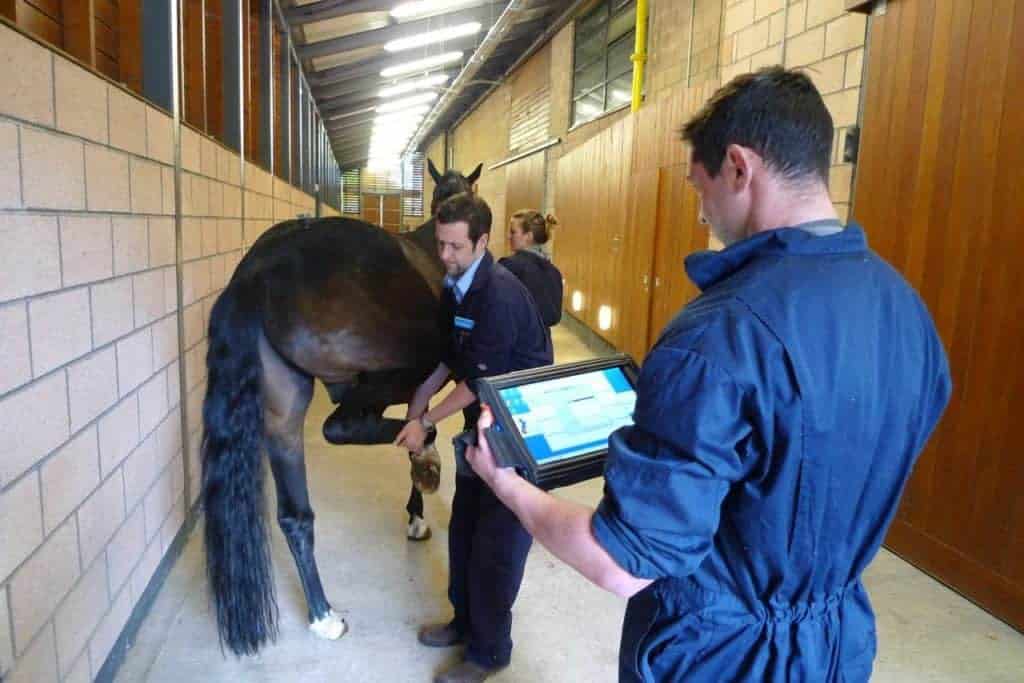
Recent research shows that a sensor-based system can effectively measure a horse?s response to flexion tests.
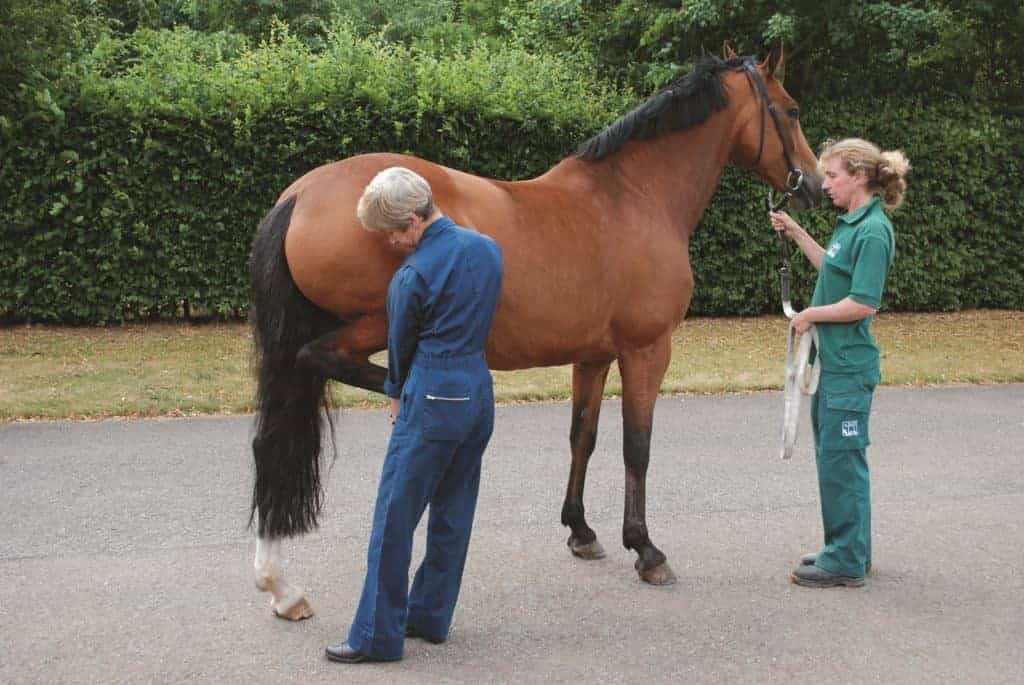
Slowing down the trot during exams for mildly lame horses could yield more accurate results, researchers say.
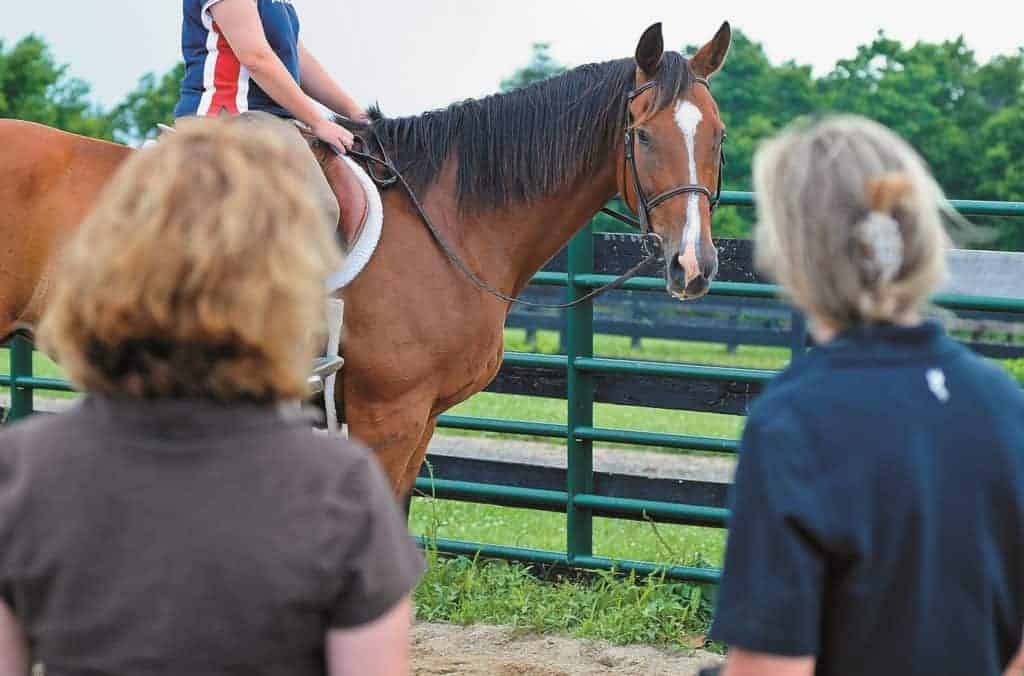
Horses topped out at 29% of their body weight in a study that evaluated gait changes when loaded.

One vet said multiple abnormalities could contribute to hoof lameness, rather than just one problem.
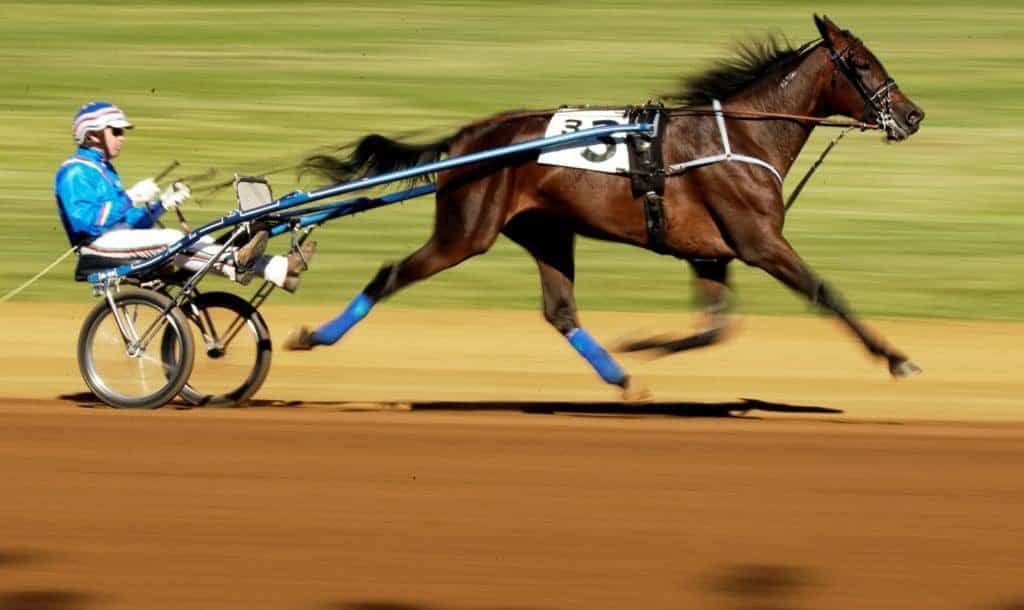
Swedish researchers discovered that genetic makeup affects locomotion patterns in horses.

Dr. Monty McInturff of Tennessee Equine Hospital shares the most important things he thinks horse owners should know about magnetic resonance imaging (MRI) as a diagnostic tool.

One vet encouraged practitioners and farriers to take a biomechanical approach to treating some foot problems.

Research shows that various angles of the outer and inner hoof are linked to different kinds of lameness.

In this particular study, the 5- and 60-second flexions did not yield the same results.

Non-weight-bearing lameness is one of the most common emergencies practitioners manage in the field.
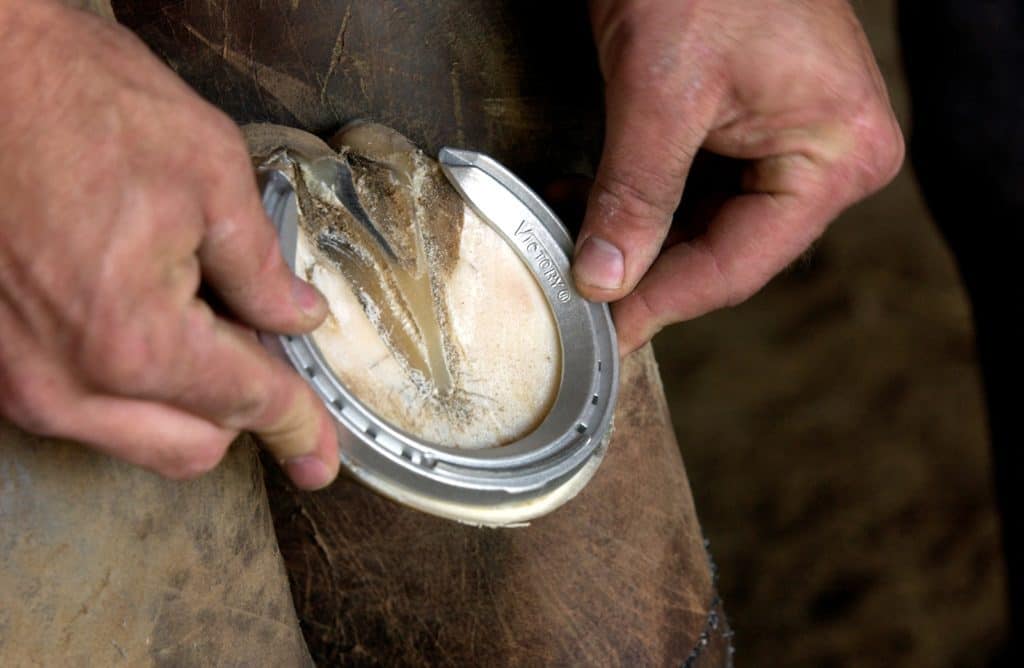
These state-of-the-art pressure sensors that can measure the forces at more than 1,000 location on the hoof.