Sensible Recovery Strategies for Equine Athletes
The steps you take to care for your horse both immediately after a competition and once you’re back home are important to his athletic longevity.

The steps you take to care for your horse both immediately after a competition and once you’re back home are important to his athletic longevity.

Veterinarians have a number of methods at their disposal for treating and managing equine osteoarthritis. Learn about the different therapies and how they work.

Researchers discovered a new technique to detect osteoarthritis in horses earlier than is currently possible with radiographs.
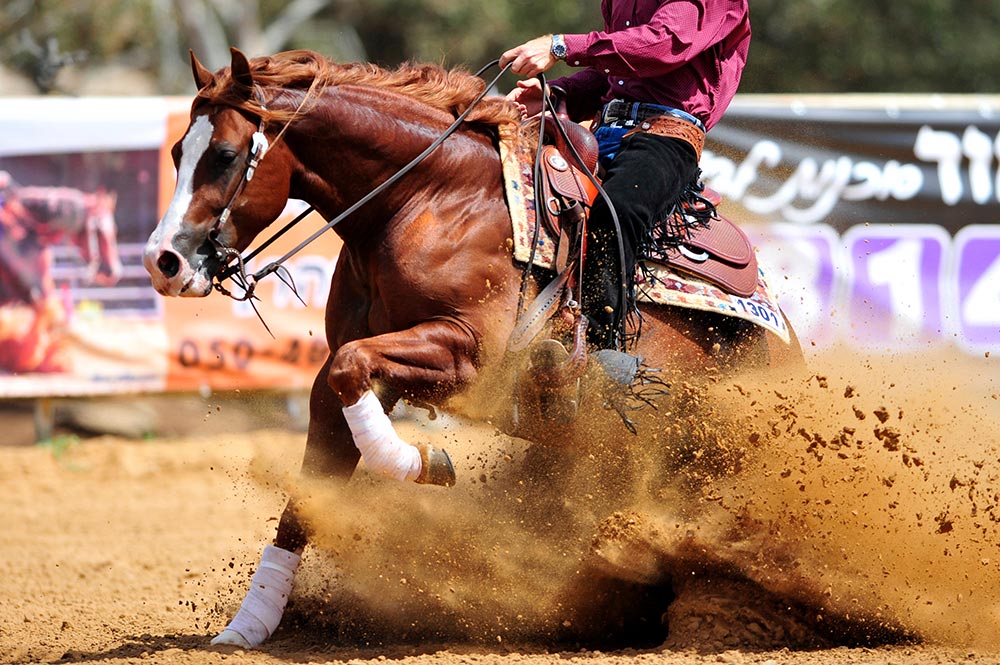
Two experts answer your questions about equine osteoarthritis, the No. 1 cause of poor performance in horses. Sponsored by American Regent Animal Health.

Learn about 5 reasons to use complementary therapies such as acupuncture and chiropractic for your horse and the research behind them.

Learn how ultrasound tissue characterization can help veterinarians guide horses’ return from injury.

Researchers reviewed literature about an anatomical variation of the equine cervical spine called TC67 that occurs most often in Warmbloods.

Learn about 4 common injuries veterinarians see in these athletes, how they diagnose them, and what treatments and rehabilitation methods they use.

How long do I need to wait after sedation and injections before hauling my horse back home?

Learn how to assess your senior horse’s quality of life and know when it’s time to let go.

Consider the horse’s lameness history and gradually increase varied exercises to manage these mounts, one veterinarian says.

An off-track Thoroughbred with a mild suspensory strain has heat in the opposing hock. Could this mean he’s compensating for the suspensory injury?

Learn how champion Western riders select the perfect mount, train and condition him properly, and manage his health so he delivers his best in the show pen.

Find out what researchers are learning about the biomechanics of the barefoot hoof.

Non-steroidal anti-inflammatories are among the most common drugs veterinarians administer and prescribe to horses.

Be sure your horse’s hoof supplement contains these minerals to ensure it will positively impact his hoof health.