Equine Innovators: Dr. Amanda Adams Talks About Older Horses
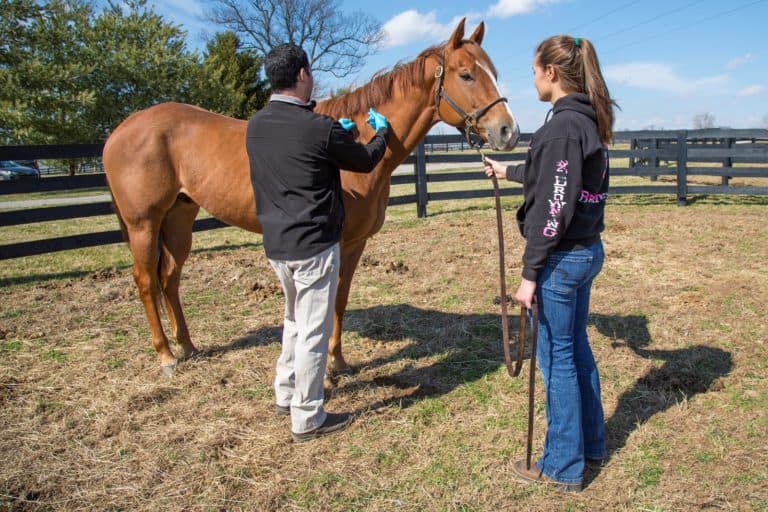
Dr. Amanda Adams of the University of Kentucky, in Lexington, describes her senior horse research, which focuses on EMS, PPID, and immune system health.

Dr. Amanda Adams of the University of Kentucky, in Lexington, describes her senior horse research, which focuses on EMS, PPID, and immune system health.

British researchers reviewed more than 150 equine microbiome studies. From colic to laminitis to pregnancy, here’s what they found.

Non-steroidal anti-inflammatory drugs serve an important role in managing equine pain and inflammation, but sometimes they can do more harm than good.
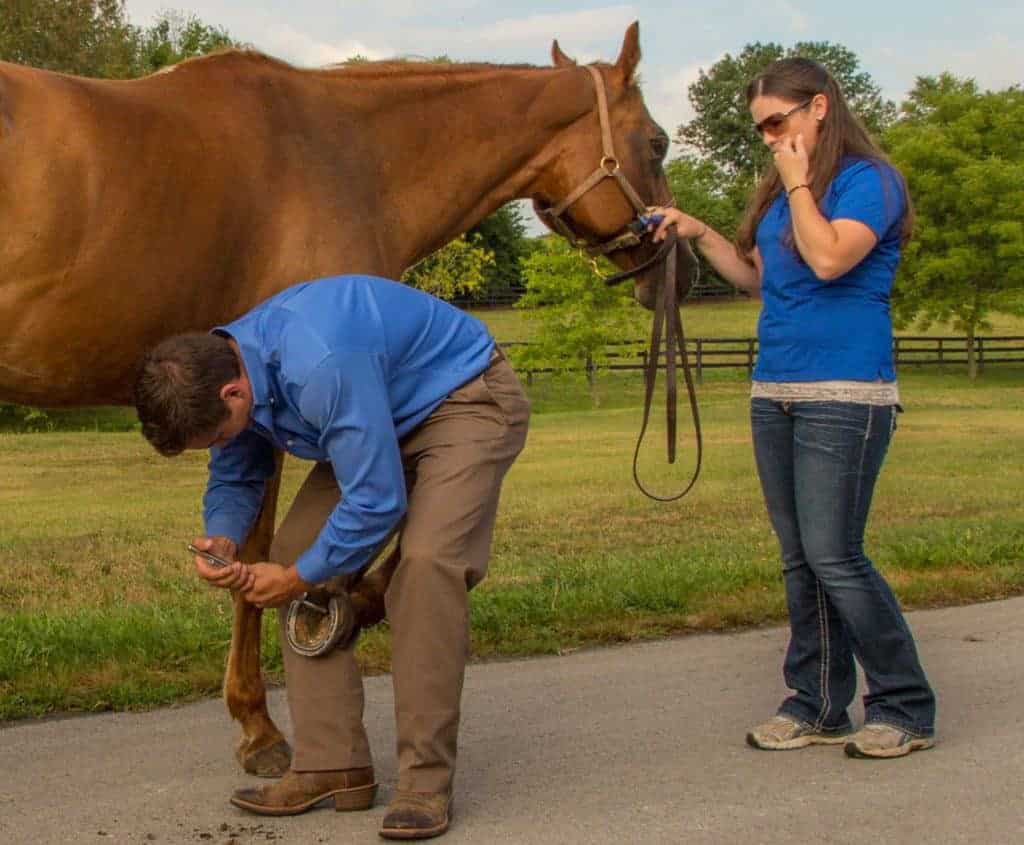
Find out what hoof problems you can safely manage yourself and when to call in your farrier and/or veterinarian.

A lot of people use the words laminitis and founder interchangeably. Are these two conditions the same thing?

Your laminitis survivor’s true prognosis depends on how you manage him after the worst is over.
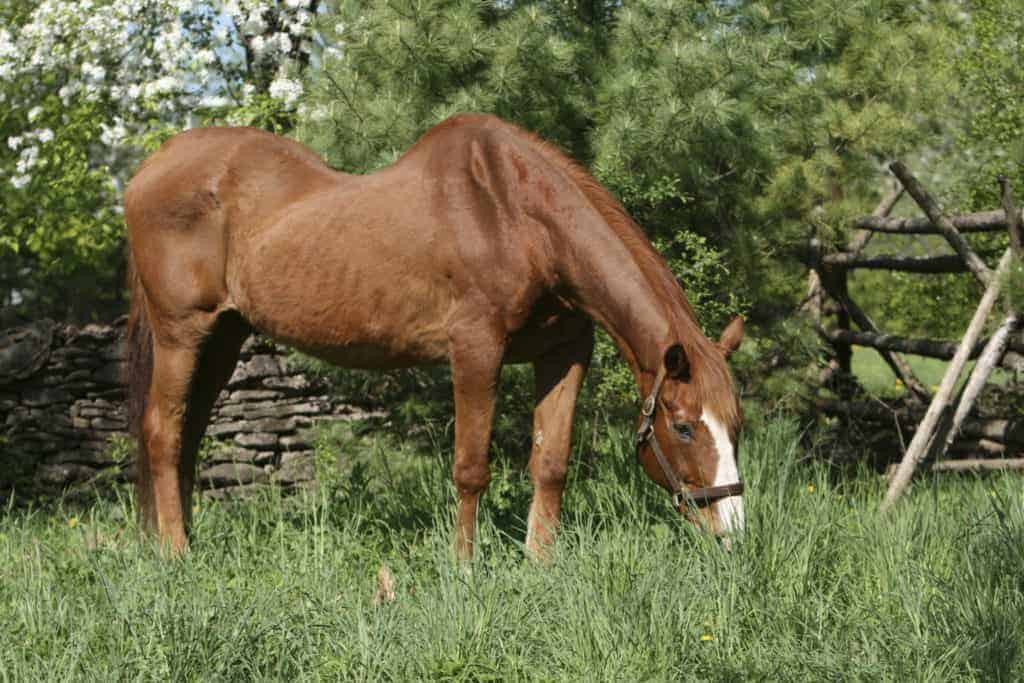
As horses get older, they face common age-related conditions and diseases that require management and care. Learn more about those conditions and diseases in this slideshow.

A psychologist documented and assessed a holistic farrier’s complex communication skills while handling a laminitis case.
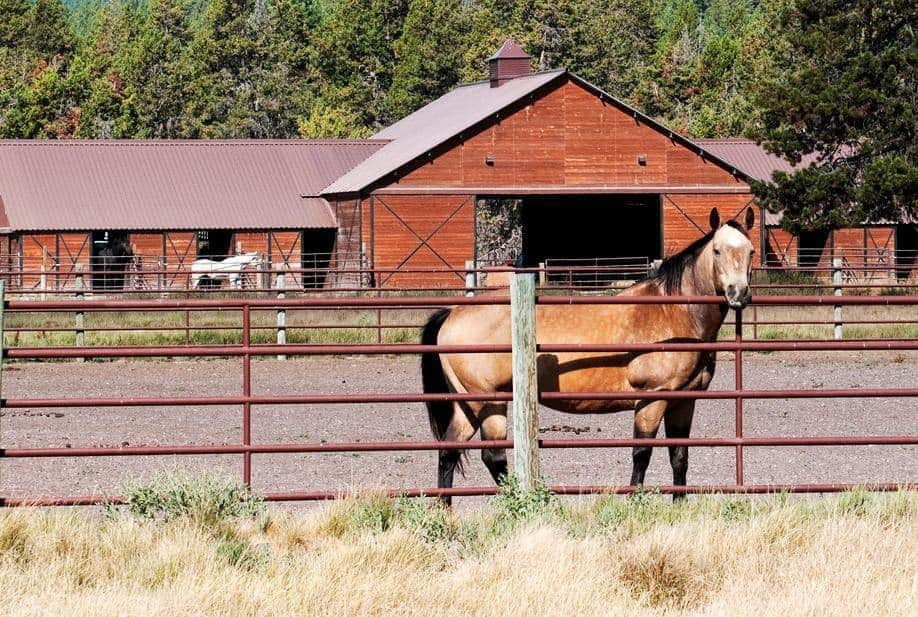
Recent research has given us more insight into how to manage horses affected by or vulnerable to laminitis. If your horse falls into the at-risk category, consider these diet changes.
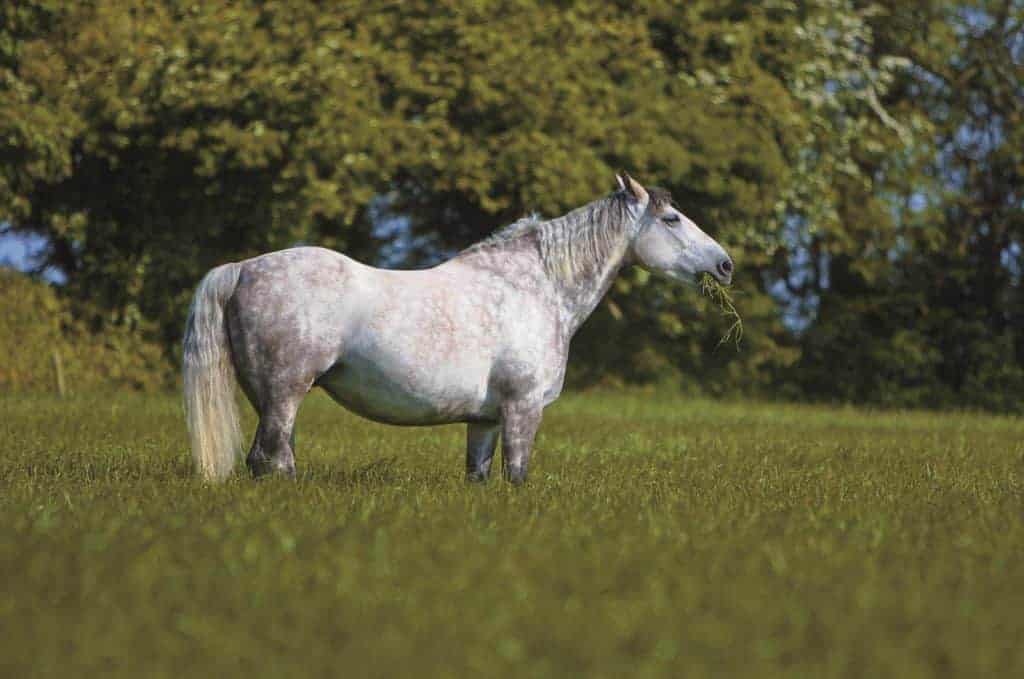
As benign as it might seem, this fresh forage can cause more harm than good. Here’s what to remember.

Horses can experience more than one disease process at the same time, an occurrence known as comorbidity. In this article, we’ll take a look at equine diseases such as PPID and laminitis that veterinarians most commonly see in conjunction with other conditions.

Researcher: Treating chronic laminitis will always be difficult, so prevention is key.
The 11th NEAEP symposium emphasized farriers and veterinarians working together for the good of the horse. Read our in-depth coverage in this free report, sponsored by Soft-Ride.

Something on the X rays looks a bit off—is it significant or of no consequence? It depends on what you find.

Does wrapping a horse’s lower legs in the winter aid circulation and keep them warm?

Researchers looked at donkeys’ unique hoof care needs. Here’s what they recommend.