How to Manage Laminitis Pain on the Farm
Each horse responds to laminitis differently, so veterinarians must have a variety of pain-management options at their disposal.

Each horse responds to laminitis differently, so veterinarians must have a variety of pain-management options at their disposal.

Dr. Rob MacKay shared presented research on ice boots and cryotherapy for laminitic horses, R. equi and insect bit hypersensitivity vaccines, EPM, and more.

Horses consuming a particular supplement had higher high-molecular-weight adiponectin blood concentrations and lower insulin concentrations than when they didn’t consume it. And this, researchers say, could help reduce laminitis risk. Here’s why.

The older equine population is at greater risk of developing debilitating endocrine disorders such as insulin dysregulation and equine metabolic syndrome, all of which are best identified and treated as early as possible.

Researchers found that one in 10 horses or ponies develop an episode of laminitis every year, but only half of those episodes were diagnosed by a veterinarian.
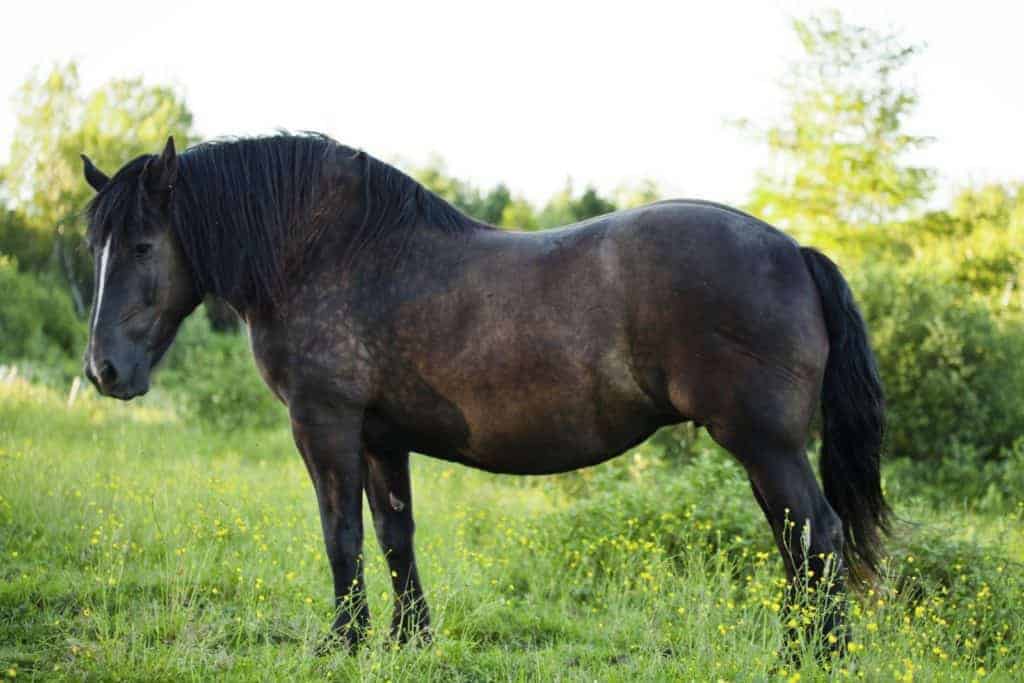
Studies suggest that more than half of certain horse populations in the U.K. are overweight or obese. As such, BEVA urges owners to act now to reduce the risk of their horses suffering weight-related health and welfare risks come spring.
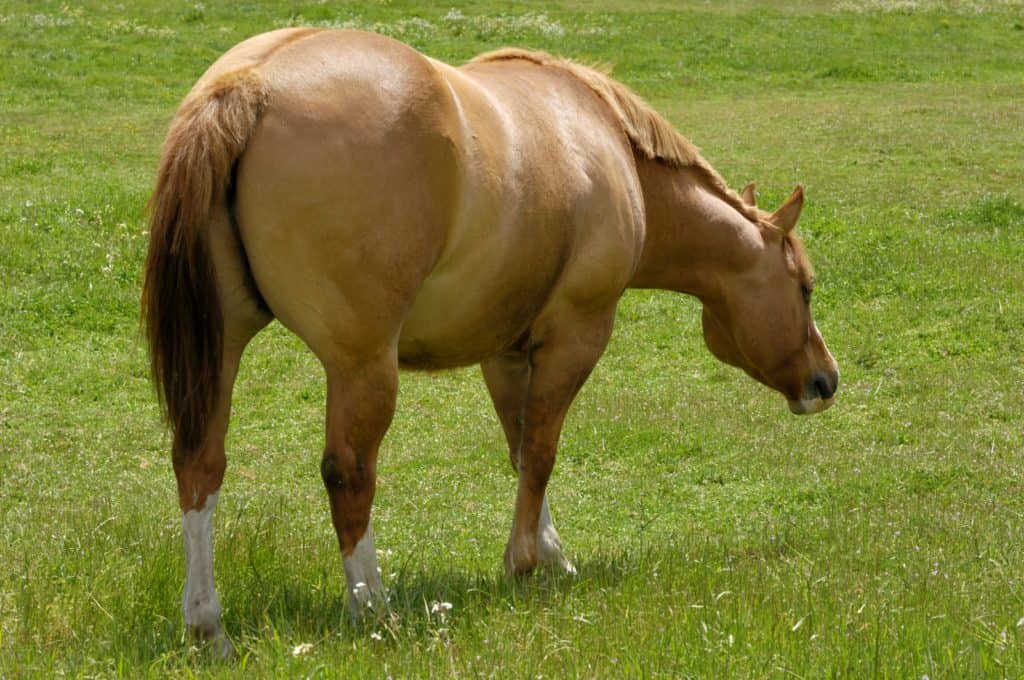
Is it safe to breed a mare who has equine metabolic syndrome and a history of laminitis? Reproduction expert Dr. Ryan Ferris offers insight.

University of Minnesota researchers are evaluating whether inhibiting an enzyme found in all mammals could help advance laminitis and osteoarthritis pain management in equine veterinary—and, eventually, human—medicine.

Download free reports on laminitis, senior horse care, medication administration tips, kissing spines, regenerative medicine, OCD lesions, and more.
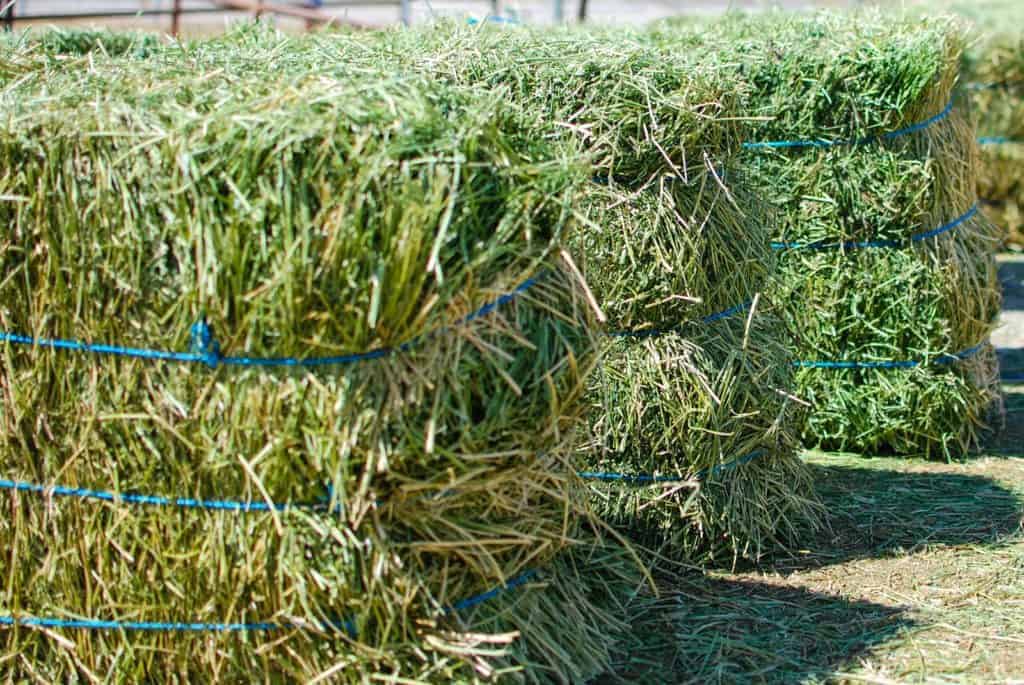
Articles on laminitis, alfalfa, horse/human interaction, and hoof problems were among the most-read in 2018.
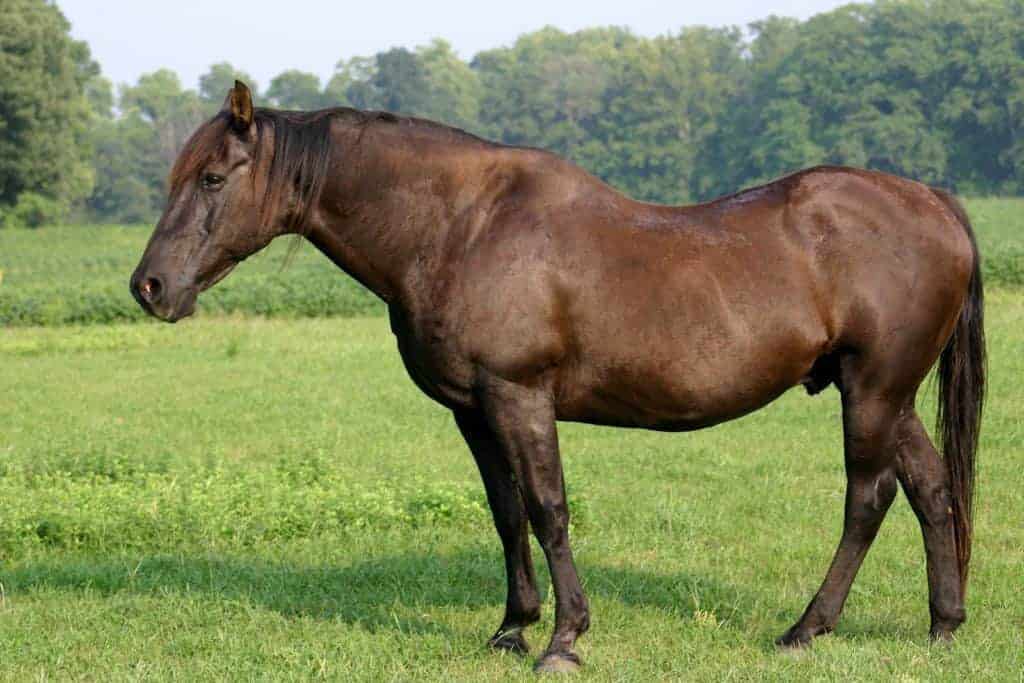
While researchers have discovered much about EMS over the years, there’s still more to learn not only about the link between obesity, insulin, and laminitis but also how to manage animals to help prevent them from becoming obese and/or developing insulin dysregulation.

Is it dangerous for my horse to graze near areas with black walnut trees and walk through fallen walnuts?

How to unravel the reason behind your horse’s head-scratching weight loss.

Skin problems were the most common general disease reported (33% of all syndromes recorded) and nonhoof-related lower limb lameness was the most common individual issue reported (18.5% of all syndromes recorded).

Equine researchers have begun studying the concept of whole-body inflammation because of its links to a variety of health problems, including “leaky gut syndrome”; musculoskeletal injury risk; and equine metabolic syndrome, insulin resistance, and laminitis.

Read some of the top tweets and take-homes on topics such as lameness, equine obesity, laminitis, and more from the 2018 British Equine Veterinary Association Congress.