Can Stallions Live With Other Horses?
Dr. Camie Heleski of the University of Kentucky talks about research into cohousing for stallions.

Dr. Camie Heleski of the University of Kentucky talks about research into cohousing for stallions.

Is your horse getting the nutrition he needs to reach his athletic potential? Are you looking to build his topline or increase his stamina? Equine nutritionists answer these questions and more.

Readers submitted photos and stories of their itchy horses for a chance to win a prize from Kinetic Vet.
Find out what insects can spread equine infectious anemia from Dr. Angela Pelzel-McCluskey.

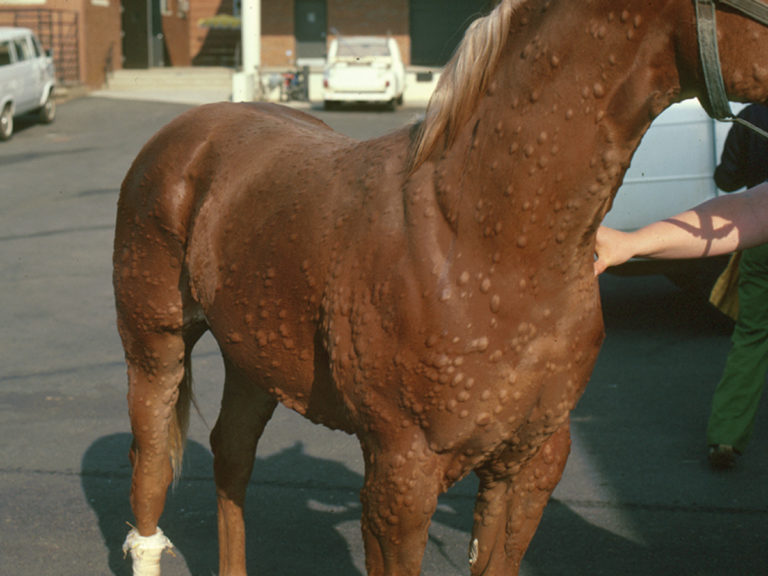
Learn about this difficult-to-manage allergic reaction to the saliva of biting insects in our visual guide.
Readers submitted photos and stories of their horses that are important to them.

Michele Haman of Equilibrium Therapy LLC shares how a massage therapist can work with saddle fitters, trainers, and hoof care professionals to benefit the horse and its performance.

Dr. Gina Tranquillo-Shade and Michele Haman of Equilibrium Therapy LLC discuss regulations around who can perform massage on horses.

Computed tomography (CT) and magnetic resonance imaging (MRI) are two diagnostic imaging methods veterinarians can use to capture images of structures within your horse’s body. Learn more in this visual guide!

Three scientists discuss genetic variation in horse breeds, why it’s important, and what we’ll learn from the Thoroughbred Genetic Diversity project.

Get up-to-date, research-based information about early diagnosis and how to help care for your horse with Cushing’s disease.

Should a horse get turnout after a massage? A warm bath and liniment rub? Rest or exercise? Dr. Gina Tranquillo-Shade and Michele Haman of Equi-Librium Therapy LLC talk about what care a horse should receive immediately after a massage.
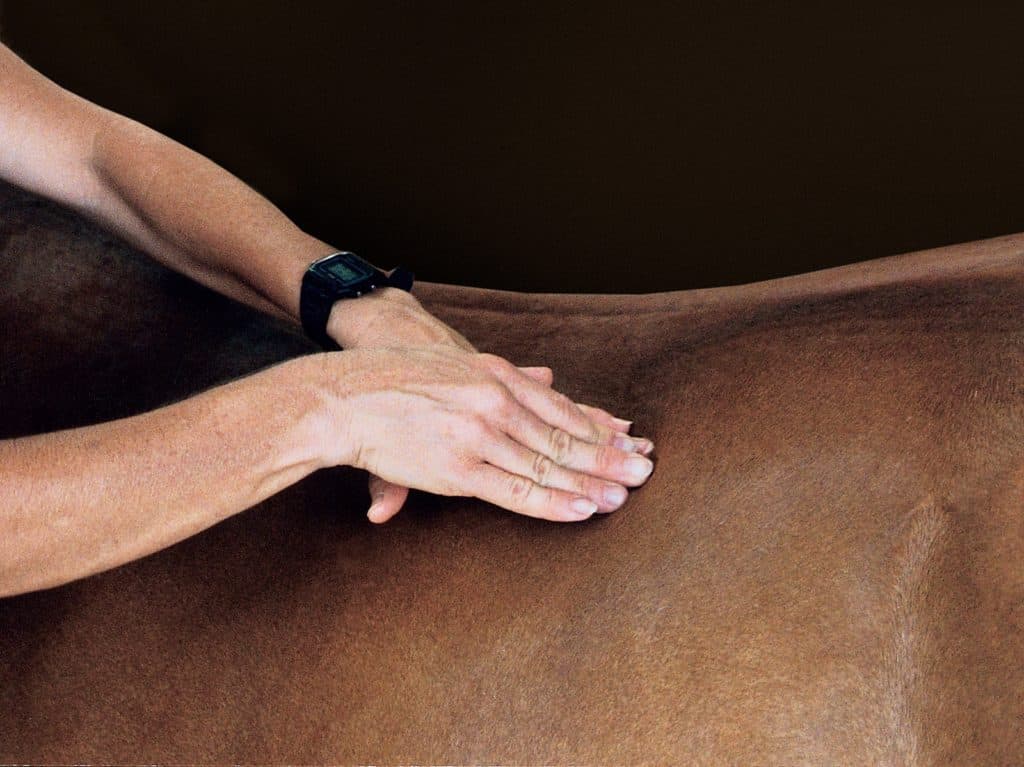
Dr. Gina Tranquillo-Shade and Michele Haman of Equi-Librium Therapy LLC talk about whether massage can help or hurt horses with polysaccharide storage myopathy.

Horses with Cushing’s have a harder time regulating their body temperature and often sport longer coats. Dr. Jeanette Mero has recommendations for keeping those horses comfortable.

Massage can promote relaxation, support your horse’s muscles, and improve his performance. Listen to this prerecorded Q&A about deep-tissue massage, myofascial release, acupressure points and more. Sponsored by Kentucky Performance Products.

Pituitary pars intermedia dysfunction (PPID, or equine Cushing’s disease) is caused by an enlargement of the pituitary gland’s middle lobe (the pars intermedia), which results in an overproduction of hormones that regulate bodily functions. Learn more about this disease in our slideshow.