Equine Innovators: Drug Testing in Racing and Competition
Dr. Scott Stanley of the University of Kentucky describes the challenges conventional drug testing presents and a potential biomarker-based solution.

Dr. Scott Stanley of the University of Kentucky describes the challenges conventional drug testing presents and a potential biomarker-based solution.

Deworming doesn’t have to be dull! Brush up on your parasite control knowledge with these expert-approved facts.
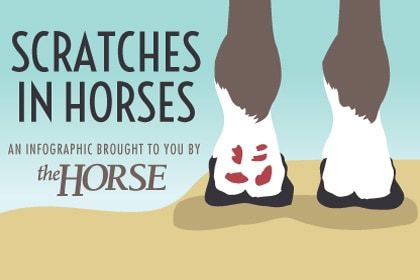
Discover the possible causes of scratches and how you can prevent and treat this frustrating dermatitis often found on a horse’s pastern in our step-by-step visual guide.

Dr. Morgan Hayes of the University of Kentucky describes barn and indoor arena ventilation problems and how to fix them.

Computed tomography creates cross-sectional, 3D images to help veterinarians diagnose a variety of equine injuries and lamenesses.
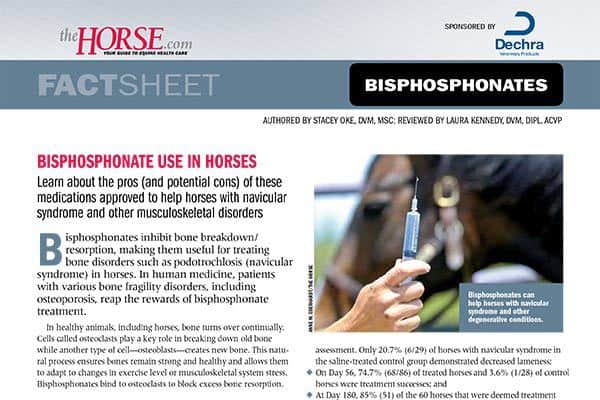
Learn about the pros (and potential cons) of these medications approved to help horses with navicular syndrome and other musculoskeletal disorders in this free fact sheet.

Dr. Laurie Lawrence of the University of Kentucky describes recent equine nutrition research from her lab, from deciphering forage composition to monitoring obesity. She also shares common misconceptions about feeding horses.

Here’s your last chance! Don’t let 2020 come to a close without stocking up on all your veterinary necessities. Download part 2 of The Horse‘s Equine Practitioner Product Guide for information on equipment, supplies, and product specials for veterinarians.
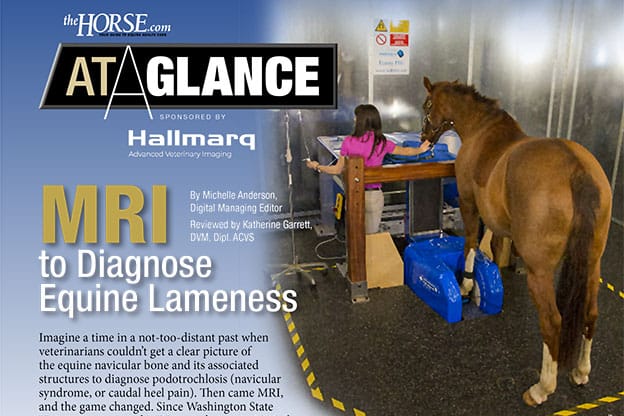
MRI has become easier to use and more accessible. Using this diagnostic tool early leads to improved outcomes for lame horses. Sponsored by Hallmarq Veterinary Imaging.
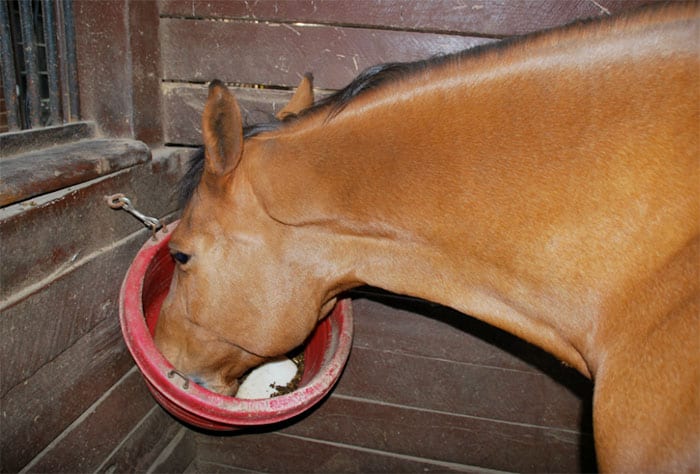
Showing, training, traveling, or even lifestyle changes can put your horse under stress that risks his health. The right nutritional choices can support his immune system, GI tract, and overall well-being. Learn how.

Don’t let 2020 come to a close without stocking up on all your veterinary necessities. Download a free copy of The Horse‘s Equine Practitioner Product Guide for information on equipment, supplies, and product specials for veterinarians.

Dr. Amanda Adams of the University of Kentucky, in Lexington, describes her senior horse research, which focuses on EMS, PPID, and immune system health.
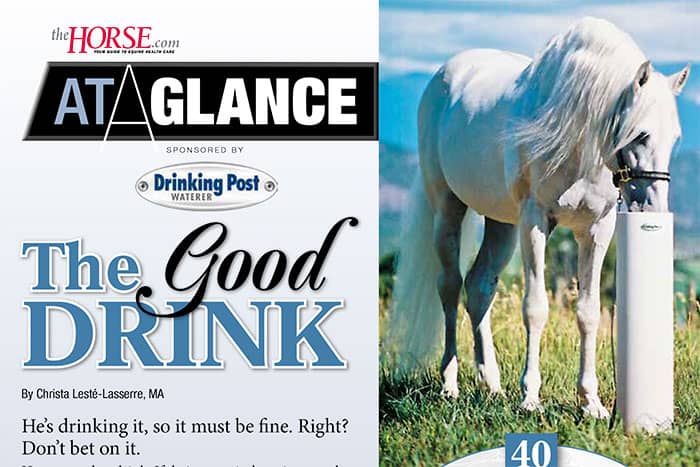
To ensure your horse stays hydrated, provide him with fresh, clean, clear water at appropriate drinking temperatures. Here’s how.

Good nutrition and attention to GI health are the best ways to prevent leaky gut syndrome and heal horses with leaky guts.

Readers submitted photos showing how they haven’t let 2020 or the COVID-19 pandemic get in the way of quality time spent with their horses.

Learn about the science behind creating safe racing surfaces from Mick Peterson, PhD, director of the University of Kentucky’s Racetrack Safety Program.