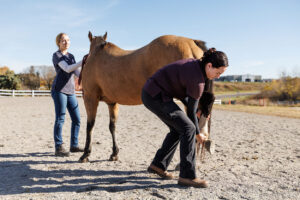
How to Test a Horse for Vitamin E Deficiency
What is the best way to test for vitamin E deficiency, and how often should you test your horse? Dr. Carrie Finno of the University of California, Davis, offers advice.

What is the best way to test for vitamin E deficiency, and how often should you test your horse? Dr. Carrie Finno of the University of California, Davis, offers advice.
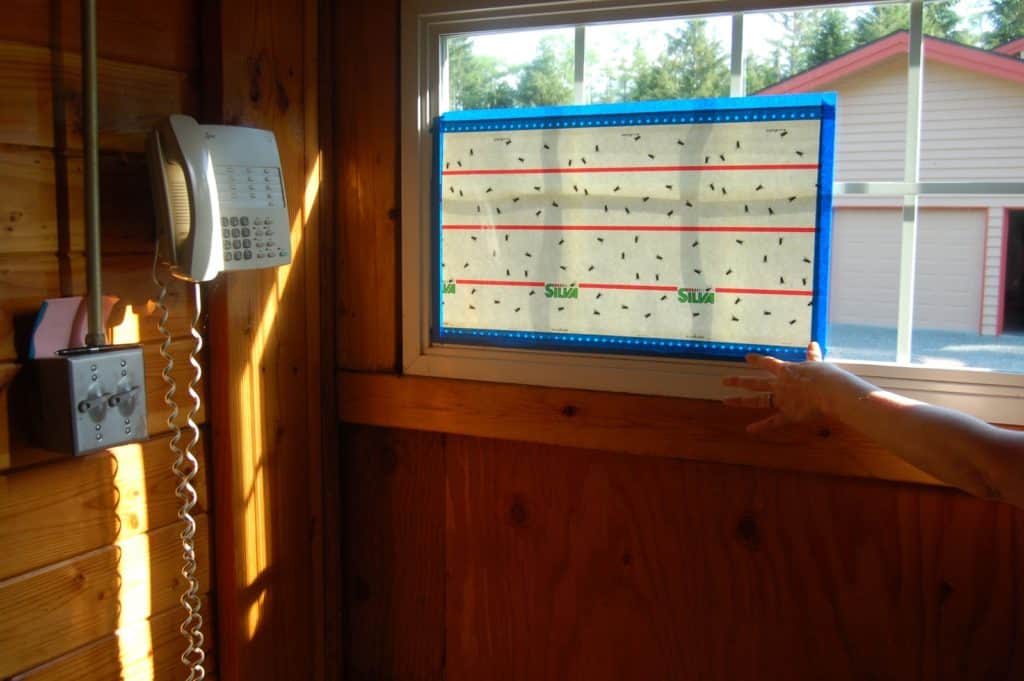
Discover options to help protect your horses from mosquitoes and other flying insects.
Your horse might not be getting enough vitamin E and not show any obvious signs. Or, he could have severe disease. Dr. Carrie Finno explains.
Researcher Dr. Carrie Finno of the University of California, Davis, explains the important role vitamin E plays in neuromuscular and reproductive health for horses.
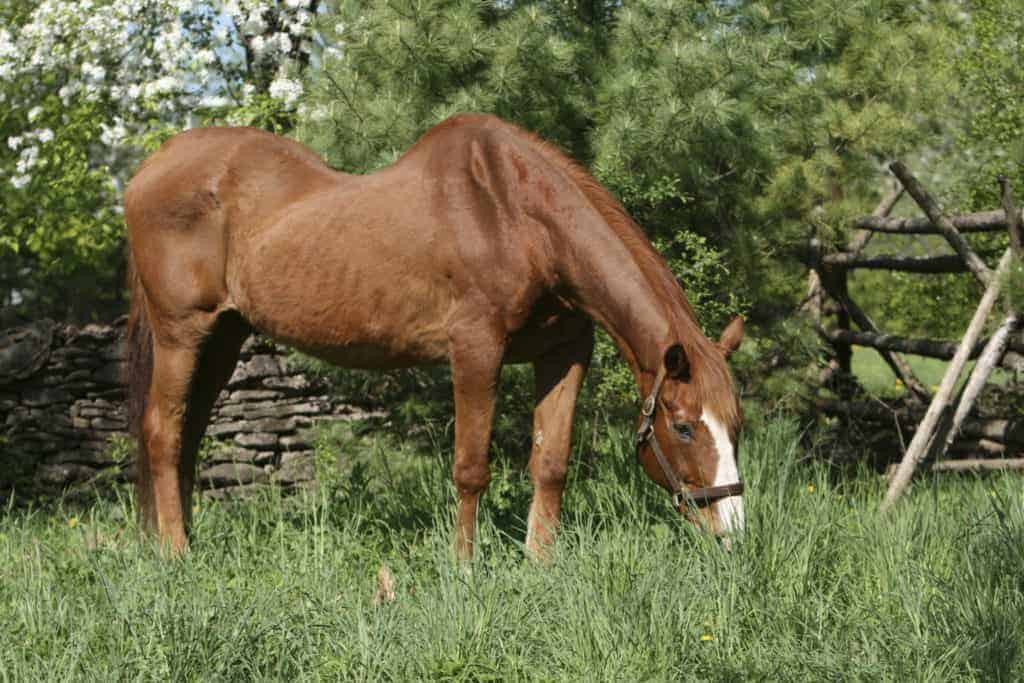
As horses get older, they face common age-related conditions and diseases that require management and care. Learn more about those conditions and diseases in this slideshow.

Few horses are lucky enough to have constant, year-round access to fresh, green grass, which provides the best natural source of vitamin E. This powerful antioxidant supports muscle and nerve health. Is your horse getting enough? Learn about horses’ vitamin E requirements and how to prevent deficiencies during this live event. Sponsored by Kentucky Performance Products.
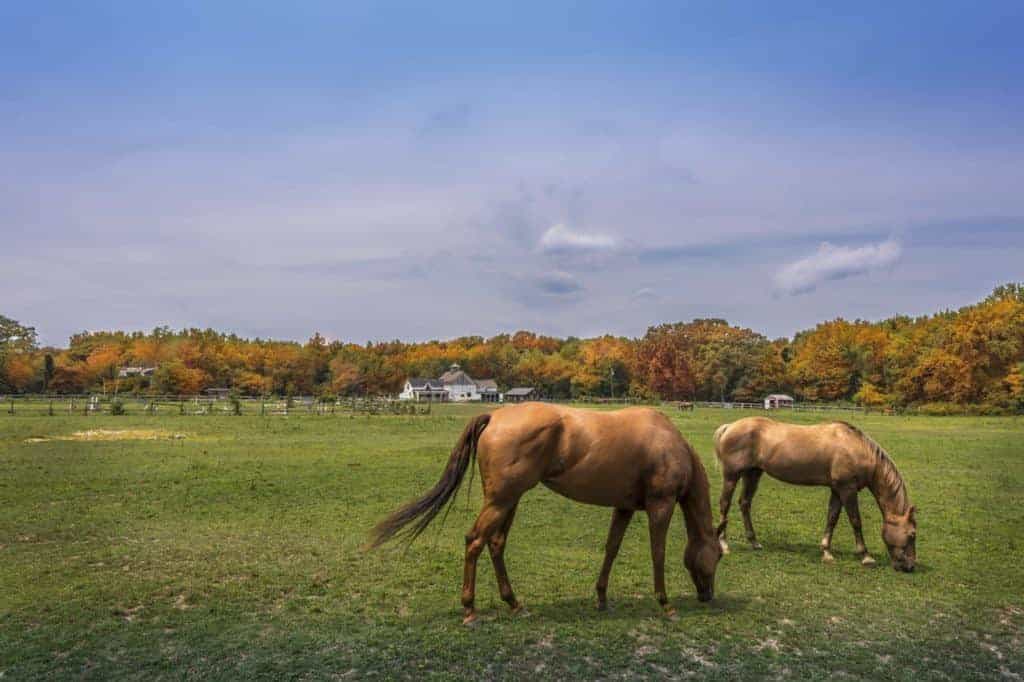
Without a doubt, horses are hard on pastures. Equine forage researcher Krishona Martinson, PhD, MS, of the University of Minnesota, offers tips on helping an overgrazed pasture recover.

Drs. Susan White and Ann Rashmir offer insight on which allergy test is best and their role in managing itchy horses.

University of Kentucky researcher and equine industry economist Dr. Jill Stowe gives a glimpse of how COVID-19 is impacting the horse world and looks at the financial challenges that lie ahead.
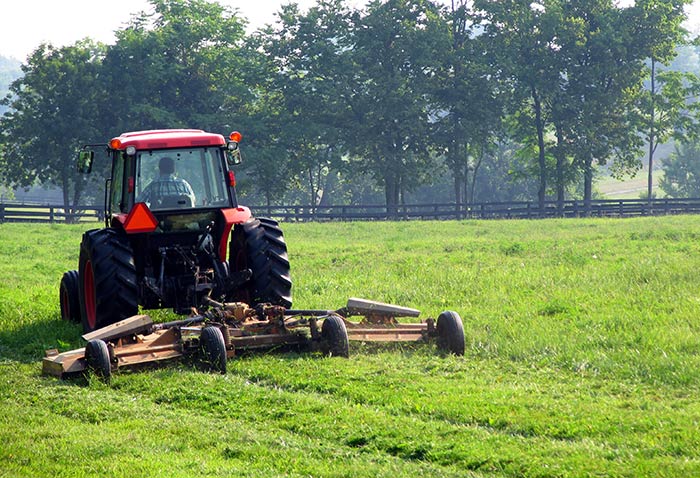
Equine forage researcher Krishona Martinson, PhD, MS, of the University of Minnesota, explains when to mow a horse pasture and how long to let them grow.

Equine forage researcher Krishona Martinson, PhD, MS, of the University of Minnesota, explains the steps involved in turning newly cleared property into a productive horse pasture.

Learn about the clinical signs, diagnosis, and management of pituitary pars intermedia dysfunction (PPID) in this visual guide.

What’s the best way to keep two horses on a half-acre pasture? Equine forage researcher Krishona Martinson, PhD, MS, says small pastures less than 1 acre are common and offers advice to keep them productive.
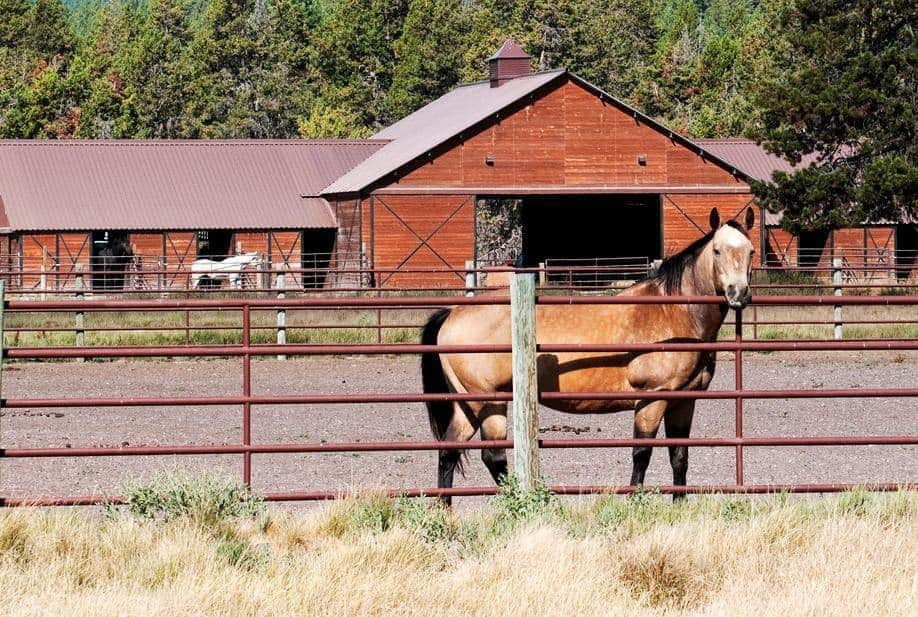
A listener asks how to make pastures safe for insulin resistant horses. Equine forage researcher Krishona Martinson, PhD, MS, responds and shares the risks associated with allowing IR horses to graze.

Take a look inside Rood & Riddle Equine Hospital’s vet-recommended equine first-aid kit for minor wounds.
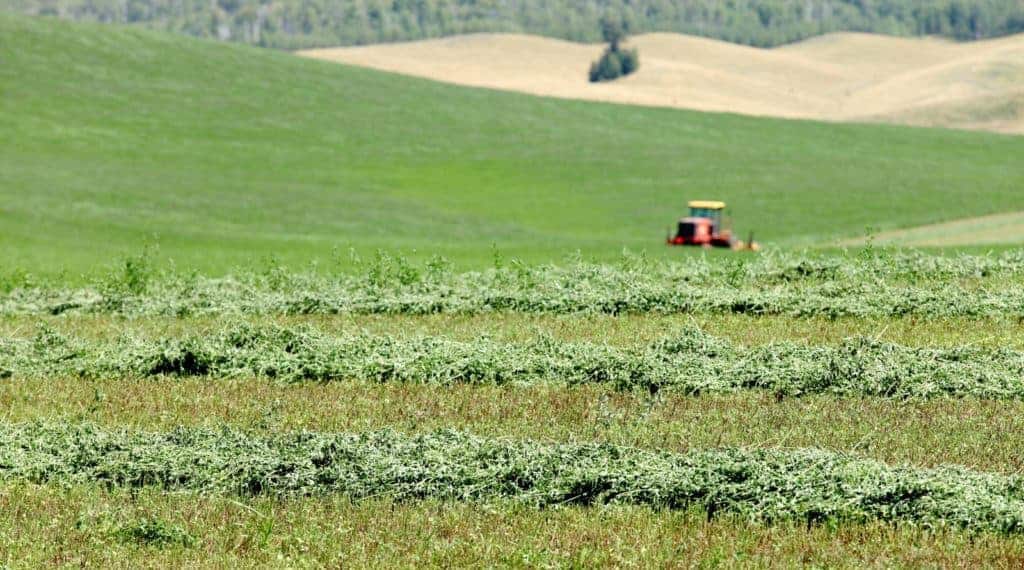
Have you ever wondered how hay gets from the field to your horse’s feeder? Find out in our slideshow.