7 Equine Nutrition Myths Busted
Decipher fact vs. fiction when it comes to the complicated world of feeding horses.

Decipher fact vs. fiction when it comes to the complicated world of feeding horses.

Find out how to design an affordable feeding program while still meeting your horse’s nutritional requirements.

Ditch traditional bran mashes (and the issues they can cause) for forage feeding to keep horses warm.
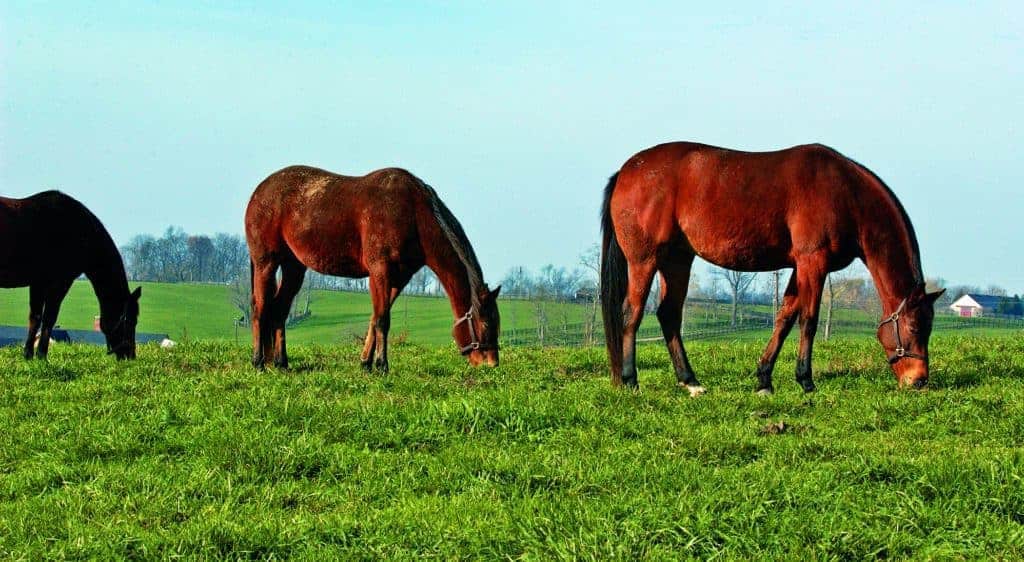
If your broodmare is overweight and/or has metabolic problems, her foal could be at risk. Here’s how you can keep both horses safe during pregnancy.
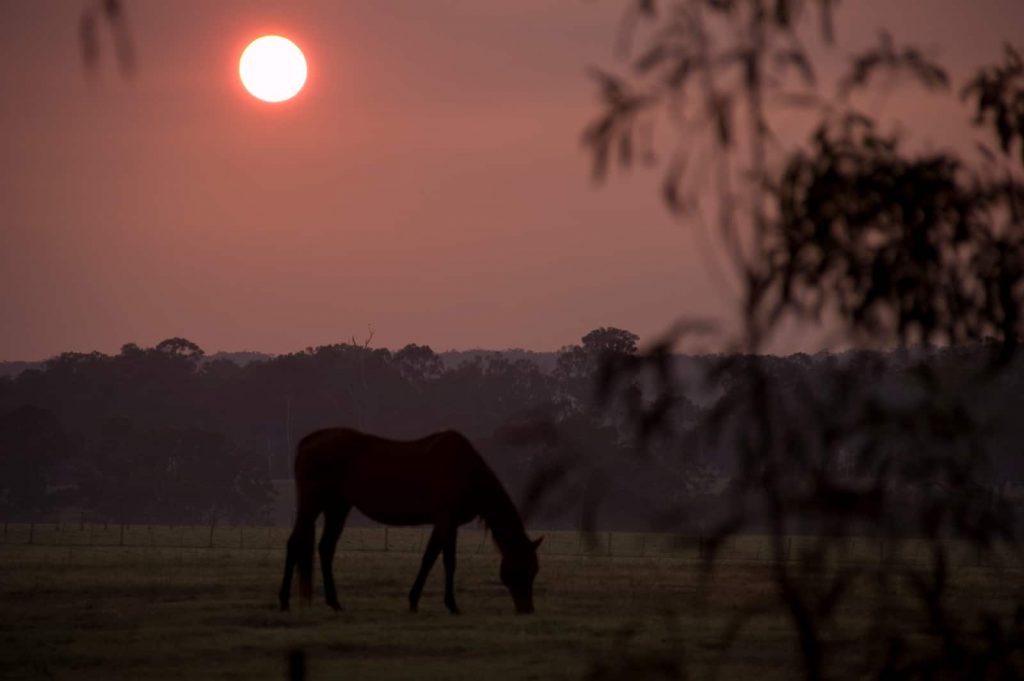
If your horse is living in an area with poor air quality, he might benefit from wet or steamed hay and omega-3 supplementation.

Horses are very adaptable and typically can handle significant temperature changes; however, when we alter their natural condition, they might struggle.

Is your hay more than 6 months old? Then it might be losing vitamin A and E.

A forage-only diet can meet most horses’ nutritional needs.

One equine nutritionist explains how you can make sure your PPID horse’s hay is safe for him to eat.

Understanding how your growing foal’s digestive system works can help you recognize and avoid potential problems.

One equine nutritionist explains how to ensure your horse’s diet does not contain dangerous levels of sugar.

When managing laminitic horses, making dietary changes is often necessary for the success of other treatment efforts.

Madeline Boast explains why you might need to provide supplements for horses on a forage-only diet to maintain a healthy equine gut microbiome.
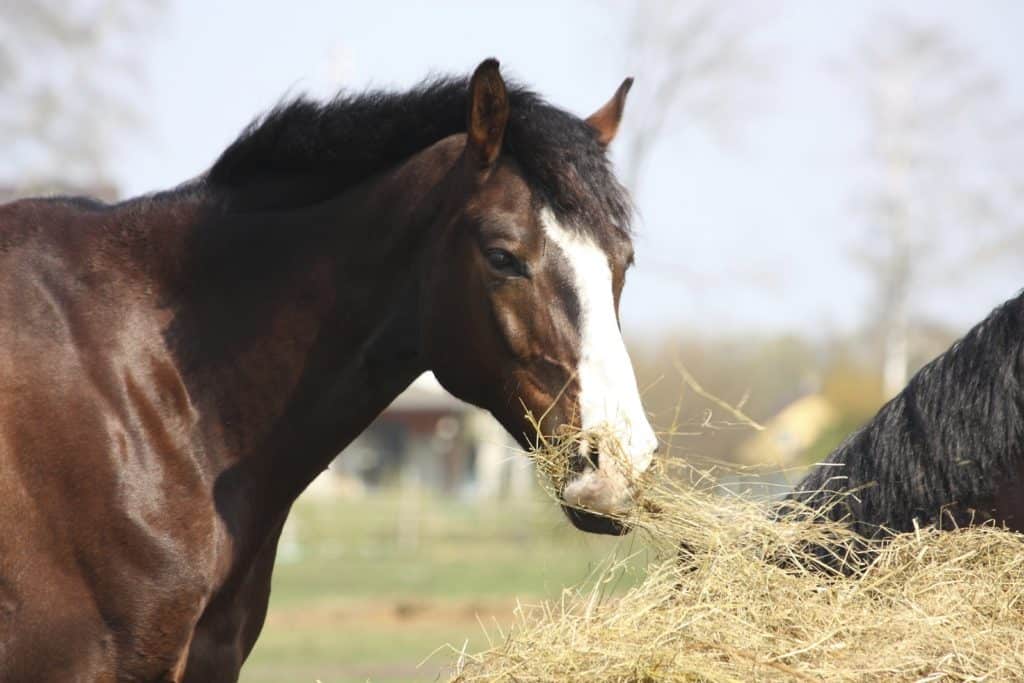
Our equine nutrition expert offers a reader advice on how to feed a thin horse with a history of laminitis without causing another bout of the disease.

Understanding the differences between haylage and grass hay can be helpful for horse owners when deciding which is best for their horse.

Follow these steps to help your overweight horse subsist on fewer calories.