Understanding Sugar Levels in Horses’ Hay
Learn how to choose the right type of forage for horses with metabolic problems.

Learn how to choose the right type of forage for horses with metabolic problems.
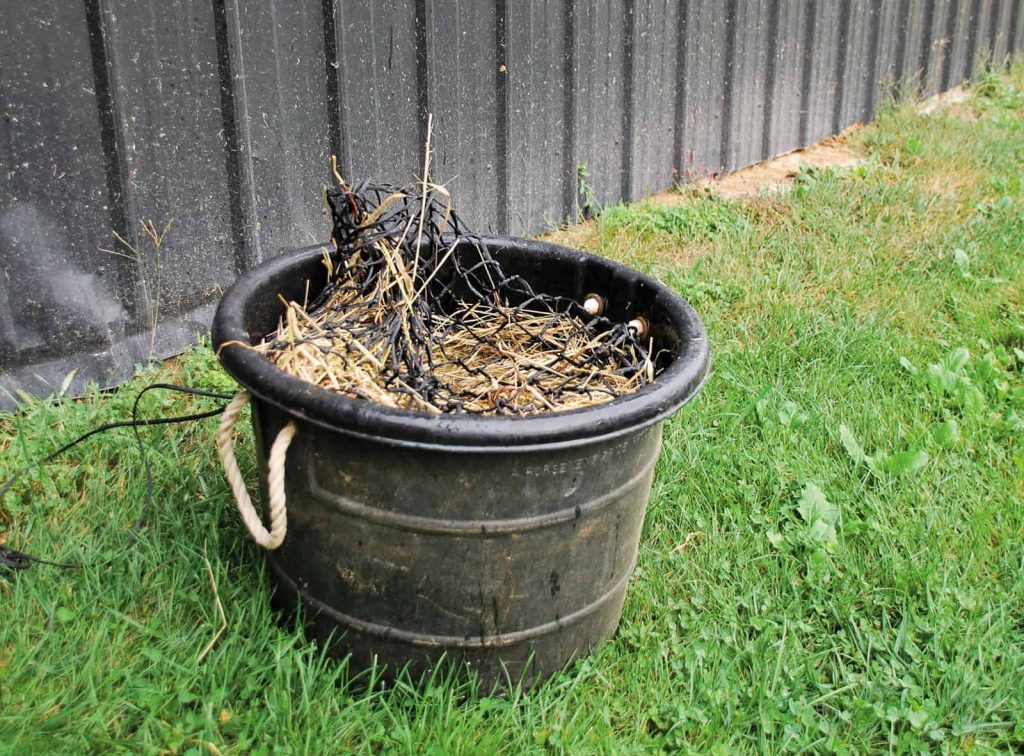
Soaking hay for horses with PPID or insulin dysregulation can reduce the WSC and ESC values, making it safer for these horses to consume.

Researchers have determined that limiting horses’ access to hay might make them more likely to engage in abnormal and aggressive behaviors.

When creating a nutrition plan for horses, it is important to understand how much protein they need and which protein sources are most suitable for each individual.
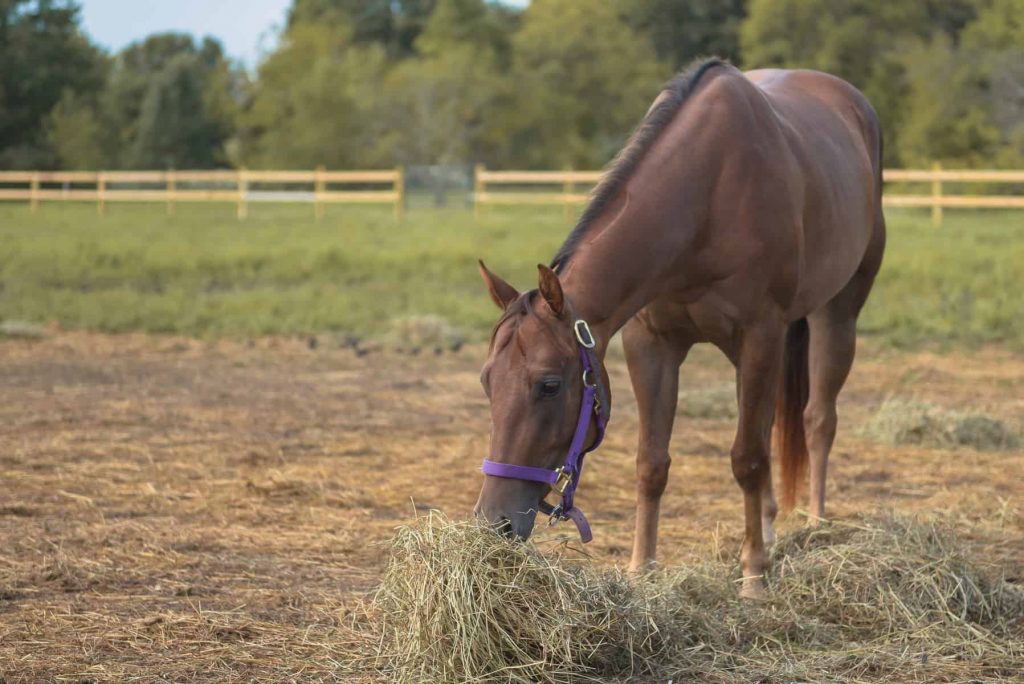
Dr. Shannon Pratt-Phillips describes what to consider when switching your competition horse to a forage-only diet.
Here are 6 tips to stretch your dollar without compromising your horse’s diet.
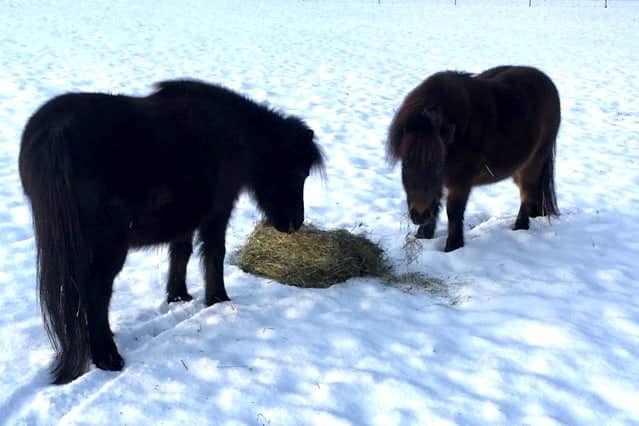
An equine nutritionist offers advice for determining Miniature Horses’ forage requirements.

Can an active PPID horse have pasture access and performance feed? Our equine nutrition expert offers advice on feeding a gelding with managed PPID.

Steaming might be the more effective option for reducing allergens in hay.

Recurrent airway obstruction is a medical condition, but feed changes might help your horse breathe better.

Does alfalfa cause kidney or respiratory problems or make horses hyper? Specialists shed light on these myths and more.
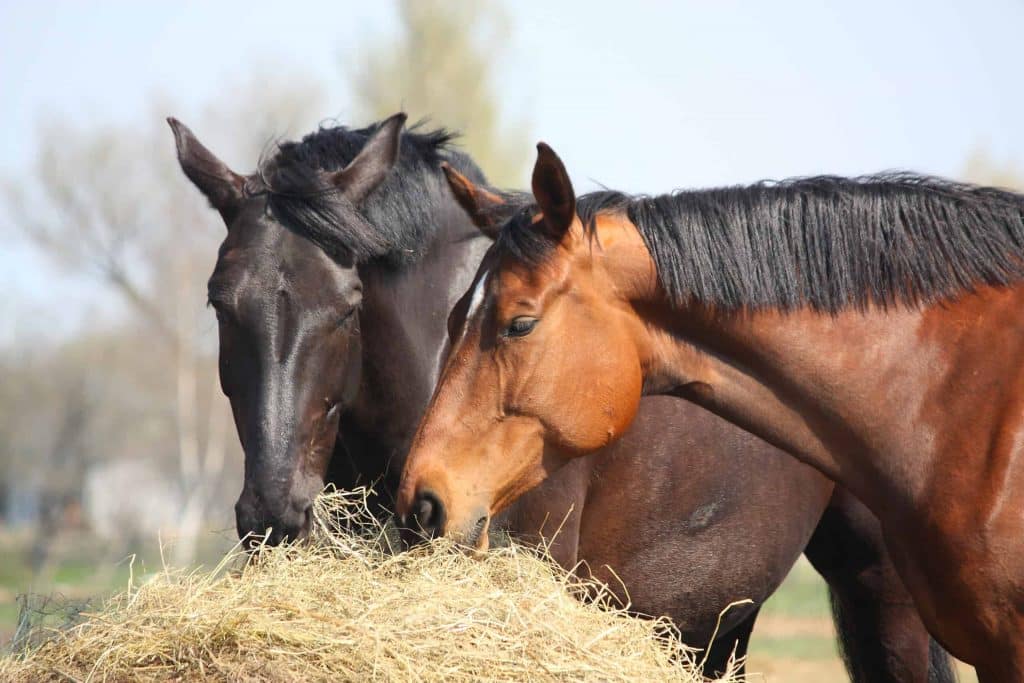
A nutritionist gives different reasons why two horses might not be consuming enough hay.
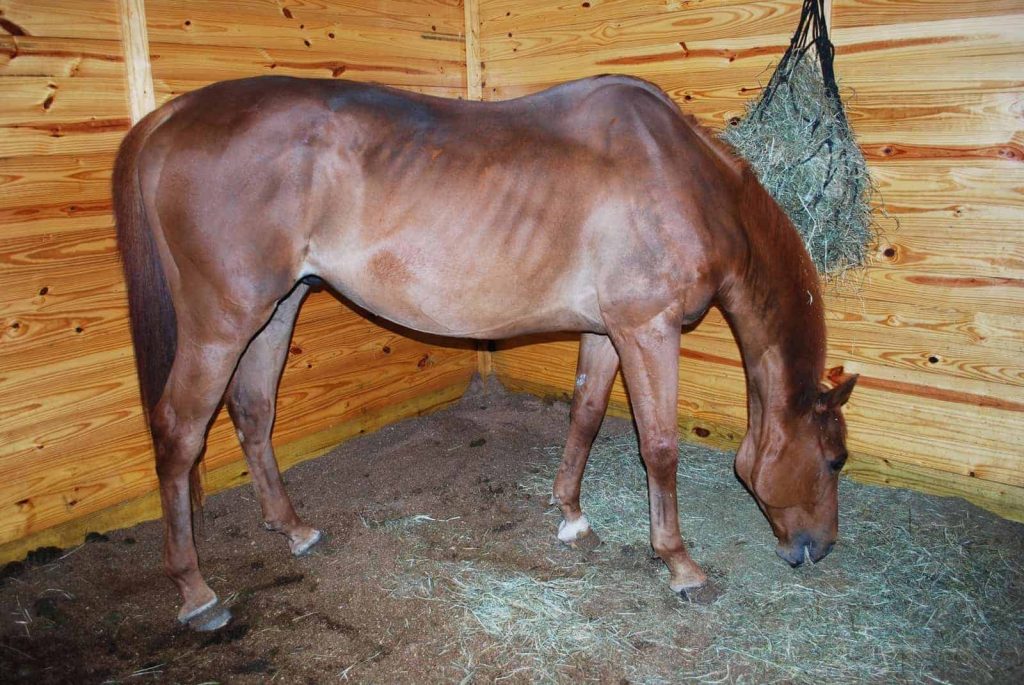
Feeding your horse good-quality feed and forage can help him gain weight in a safe way.

Consider growth rate and nutrient balance when deciding what to feed young horses.

If you are experiencing a hay shortage, consider these options for hay replacement.

Are you resolving to improve your horse’s nutritional status next year? An equine nutritionist shares her tips.